
Cross-Docking: The Lean Link Between Inbound and Outbound Logistics
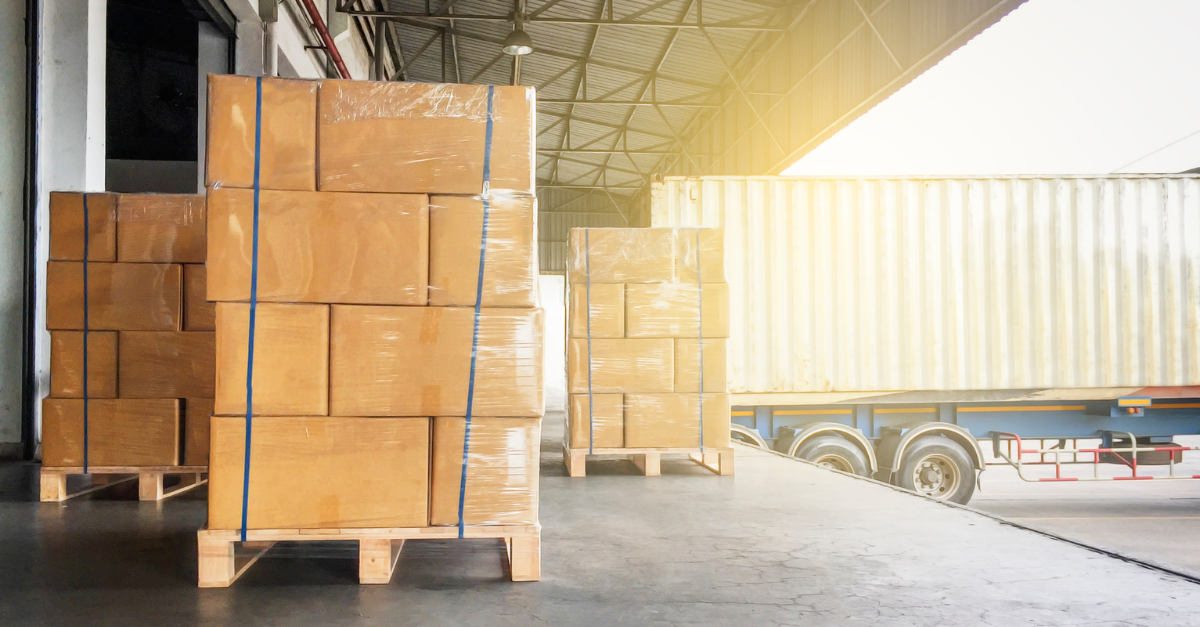
The truck backs into the dock, doors swing open, and within minutes the freight is moving again.
Not into storage. Not onto shelves. Straight across the warehouse floor and onto another trailer.
That’s the moment cross-docking does its job, quietly removing time, handling, and complexity from the supply chain.
For companies moving high-volume or time-sensitive freight, this shift can be the difference between a system that flows and one that constantly catches up.
Why Traditional Warehousing Slows the Process
Most supply chains are built around a simple assumption: inventory needs a place to sit.
So goods arrive, get put away, and wait. Later, they’re picked, packed, and shipped out again. It’s a familiar rhythm, but it comes at a cost.
Every extra step adds friction. Not always in obvious ways, but in accumulated time, labor, and risk.
That friction tends to show up as:
- Longer lead times between inbound and outbound movement
- Increased labor tied to repeated handling
- Higher likelihood of errors during picking and staging
- More opportunities for damage as goods are moved multiple times
Cross-docking removes those extra steps by changing the question from “Where should this go?” to “Where is this going next?”
What Changes When Freight Keeps Moving
When inventory doesn’t stop, the entire system starts to feel different.
Instead of waiting for orders to trigger movement, products are already in motion. That creates a kind of built-in momentum across the supply chain.
For operations tied to retail distribution or production schedules, that momentum matters. It shortens the distance between arrival and availability, which in turn improves responsiveness.
It also simplifies decision-making. When goods are pre-allocated and clearly labeled before they arrive, the warehouse isn’t figuring things out in real time. It’s executing a plan that’s already in place.
Where Cross-Docking Fits Best
Not every shipment benefits from cross-docking. But when the conditions are right, it becomes a powerful tool.
It tends to work best when:
- Inventory is already assigned to specific destinations
- Volume is high and consistent
- Speed matters more than storage flexibility
- Handling needs to be minimized for cost or product sensitivity
In these environments, storing inventory doesn’t add value. It slows things down.
The Part Most People Don’t See
From the outside, cross-docking looks simple. Freight comes in, gets sorted, and goes out.
What’s less visible is the coordination required to make that happen without friction.
Inbound shipments have to arrive on time. Outbound trucks have to be scheduled and ready. Labels, documentation, and routing all need to be accurate before the freight even touches the dock.
When those elements aren’t aligned, the process stalls. When they are, the transition feels almost automatic.
That’s what makes cross-docking less about speed and more about synchronization.
Less Handling, Fewer Problems
There’s also a quieter benefit that shows up over time.
The fewer times a product is touched, the fewer chances there are for something to go wrong. Damage rates drop. Inventory accuracy improves. Teams spend less time correcting mistakes and more time moving freight forward.
It’s not always dramatic, but it’s consistent. Consistency is what keeps operations stable as volume grows.
A Different Way to Think About Flow
Cross-docking doesn’t eliminate the warehouse. It changes how it’s used.
Instead of acting as a holding area, it becomes a transition point, a place where freight moves through, not into. That shift reduces the need for storage while increasing the importance of timing and coordination.
For supply chains that depend on speed and precision, that’s a meaningful tradeoff.
Ready to Keep Freight Moving Instead of Waiting?
If products are spending more time sitting than moving, it may not be a capacity issue — it may be a flow issue.
Contact us to explore how cross-docking can help reduce delays, limit handling, and keep your supply chain moving with greater efficiency.
Ready to optimize your supply chain?
Contact us today to discover how JIT Transportation can take your business to the next level.
Related Articles

When Should You Use Dedicated Transportation?
Dedicated transportation can provide greater control over timing, handling, security, and capacity when a shipment's operational requirements outweigh the benefits of shared transportation.

Build, Store, Stage, Deploy: Why Tech Logistics Can't Operate in Silos
Connecting manufacturing, warehousing, staging, transportation, and deployment helps technology companies keep high-value equipment aligned with production schedules and project timelines.
What Happens When Freight Capacity Tightens?
Tight freight capacity can affect far more than transportation rates, making advance planning, carrier options, lane visibility, and flexibility critical to keeping shipments and operations on schedule.