
From Container to Shelf: The Journey of Retail Inventory

A customer walks into a store, picks a product off the shelf, and heads to the checkout. It's a simple experience, but the journey that product took to get there is anything but.
Long before inventory reaches a retail shelf, it travels through a carefully coordinated supply chain that spans manufacturers, ports, warehouses, transportation providers, and distribution centers. Every handoff must happen at the right time and in the right sequence.
For brands supplying major retailers, success isn't measured by getting products to the port. It's measured by getting products to the shelf when consumers are ready to buy.
That journey begins the moment an ocean container arrives.
The First Stop Is Only the Beginning
When an ocean container reaches the Port of Los Angeles or another major gateway, many people think the hard part is over.
In reality, one of the most important phases is just beginning.
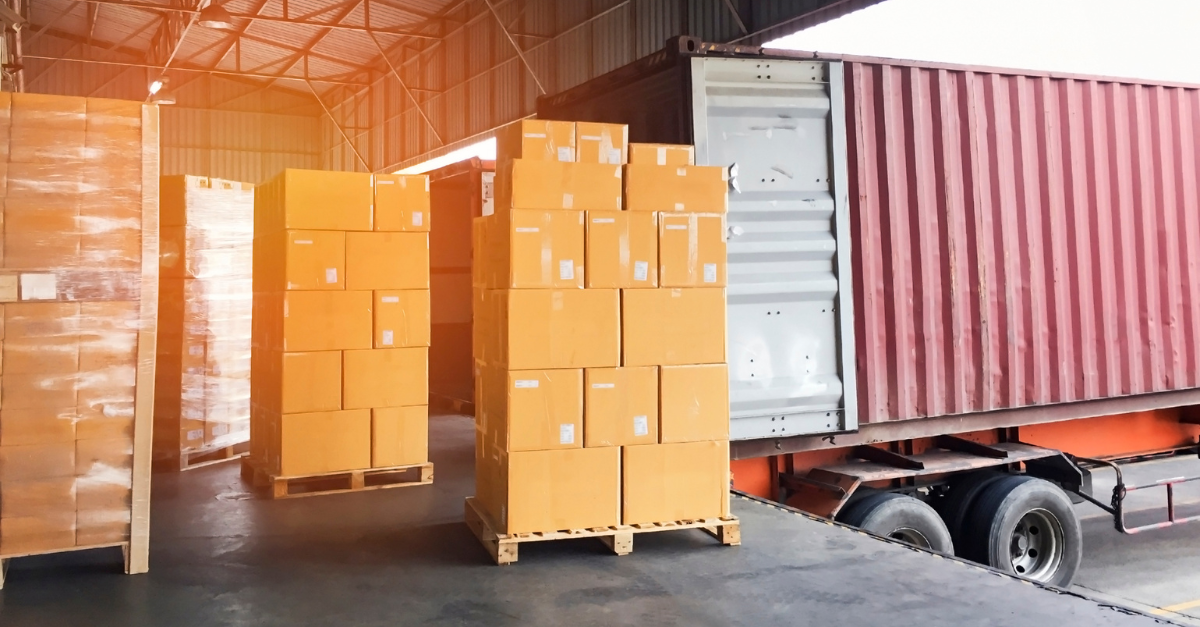
Before products can be sold, containers must be:
- Retrieved from the port
- Transported to a warehouse
- Unloaded and inspected
- Processed into inventory
- Prepared for retail distribution
Every step affects how quickly products become available for sale.
The faster inventory moves through this process, the sooner it begins generating revenue.
Turning Freight Into Inventory
Products inside a shipping container aren't immediately available to retailers.
Once they arrive at a warehouse, teams verify quantities, inspect shipments, and process inventory into warehouse management systems.
Depending on the retailer, additional work may also be required before products can move downstream.
This often includes labeling, pallet configuration, kitting, or other value-added services that ensure shipments meet retail requirements.
Until those tasks are complete, products remain freight instead of inventory.
Preparing for Retail Distribution
Retailers operate with strict standards designed to keep their distribution networks efficient.
Products that don't meet those standards may face delays, additional handling, or chargebacks.
Before outbound shipments leave the warehouse, teams often verify:
- Product labels and barcodes
- Packaging requirements
- Pallet configurations
- Routing documentation
- Delivery appointments
These details may seem small individually, but together they determine whether inventory moves smoothly through retail distribution centers.
Timing Matters at Every Handoff
Moving inventory from one location to another isn't enough.
Each handoff must happen according to schedule.
If containers arrive late at the warehouse, outbound shipments may miss retailer delivery windows. If inventory processing takes longer than expected, product launches or replenishment schedules can slip.
Even arriving too early can create challenges if receiving facilities aren't prepared.
Retail supply chains succeed when transportation, warehousing, and fulfillment operate as one connected system instead of separate functions.
Visibility Keeps Inventory Moving
As products move closer to retailers, communication becomes just as important as transportation.
Supply chain teams need visibility into:
- Inventory availability
- Shipment status
- Delivery schedules
- Potential disruptions
When everyone works from the same information, they can make adjustments before small issues become larger problems.
That visibility helps reduce surprises while keeping products moving toward their final destination.
The Shelf Is the Finish Line
The goal of retail logistics isn't simply delivering freight.
It's making sure products are available when consumers are ready to purchase them.
That requires coordination across every stage of the journey.
A delay at the port affects warehouse operations. An inventory discrepancy affects fulfillment. A missed delivery appointment affects retail availability.
Every step is connected.
The companies that consistently perform well understand that success comes from managing the entire flow, not just individual shipments.
Moving Faster Without Sacrificing Accuracy
As consumer expectations continue to rise, retailers and manufacturers are under increasing pressure to shorten lead times while maintaining accuracy.
That balance requires logistics partners who understand more than transportation.
It requires expertise in inventory management, warehousing, retail compliance, and delivery coordination.
When every stage works together, products spend less time waiting and more time where they create value: on the shelf.
Ready to Improve Your Retail Distribution Strategy?
If your products are taking longer than expected to move from port to retail, your logistics process may have opportunities for improvement. Contact us to learn how integrated warehousing, transportation, and fulfillment solutions can help keep inventory moving from container to shelf.
Ready to optimize your supply chain?
Contact us today to discover how JIT Transportation can take your business to the next level.
Related Articles
How to Stress-Test Your Supply Chain Before Peak Season
Stress-testing your supply chain before peak season helps expose capacity, inventory, transportation, and communication weaknesses while there is still time to fix them.

How Supply Chains Support Product Launches
A successful product launch depends on a supply chain that can keep components, inventory, transportation, and final delivery aligned with one critical date.
Why Inventory Accuracy Matters More Than Inventory Levels
Having more inventory cannot protect production if teams cannot confidently account for the specific components required for the next build.