
How Drayage and a 3PL Work Together
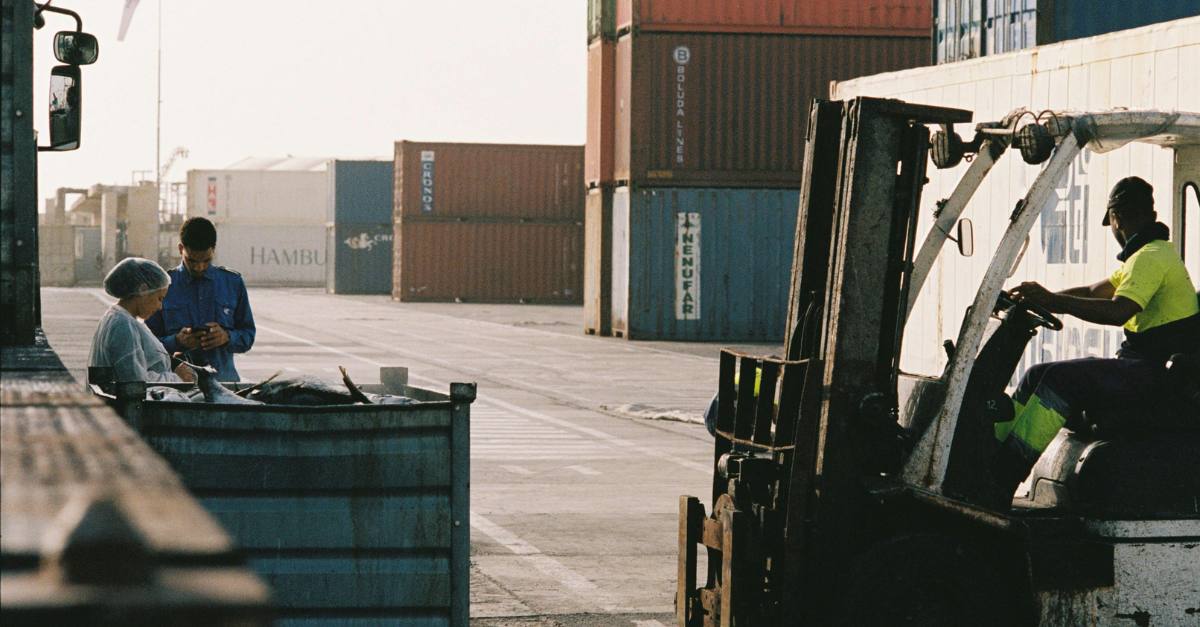
When freight arrives at port, the clock starts ticking. Containers need to move quickly, be unloaded efficiently, and flow seamlessly into storage or fulfillment. That transition point—between drayage and warehousing—is where many supply chains either gain efficiency or lose control.
Drayage and 3PL services aren’t separate functions. When coordinated properly, they operate as a single, continuous system.
Drayage handles the movement of containers from port to warehouse. A 3PL takes over once freight reaches its next destination—managing unloading, storage, inventory, and distribution. When these two functions are disconnected, delays, demurrage fees, and miscommunication follow.
When they’re aligned, supply chains move faster and more predictably.
Where Breakdowns Happen
Without coordination:
- Containers sit at port longer than expected
- Warehouse teams aren’t prepared for inbound freight
- Scheduling conflicts create bottlenecks
- Visibility is lost between handoffs
These gaps increase costs and slow down downstream operations.
What Alignment Looks Like
When drayage and 3PL services are integrated:
- Containers are scheduled with warehouse capacity in mind
- Real-time updates keep all teams aligned
- Unloading begins immediately upon arrival
- Inventory is processed and made available faster
The result is reduced dwell time and improved throughput.
Why It Matters for High-Value Freight
For high-value goods, delays aren’t just inconvenient—they increase risk exposure and disrupt time-sensitive operations.
Coordinated drayage and 3PL services ensure:
- Faster container turnaround
- Secure handling from port to storage
- Better visibility across the supply chain
Ready to Improve Port-to-Warehouse Flow?
Contact us to learn how better coordination between drayage and warehousing can reduce delays and improve supply chain performance.
Ready to optimize your supply chain?
Contact us today to discover how JIT Transportation can take your business to the next level.
Related Articles
How to Stress-Test Your Supply Chain Before Peak Season
Stress-testing your supply chain before peak season helps expose capacity, inventory, transportation, and communication weaknesses while there is still time to fix them.

How Supply Chains Support Product Launches
A successful product launch depends on a supply chain that can keep components, inventory, transportation, and final delivery aligned with one critical date.

Why Inventory Accuracy Matters More Than Inventory Levels
Having more inventory cannot protect production if teams cannot confidently account for the specific components required for the next build.