
How Semiconductor Supply Chains Depend on Precision Logistics
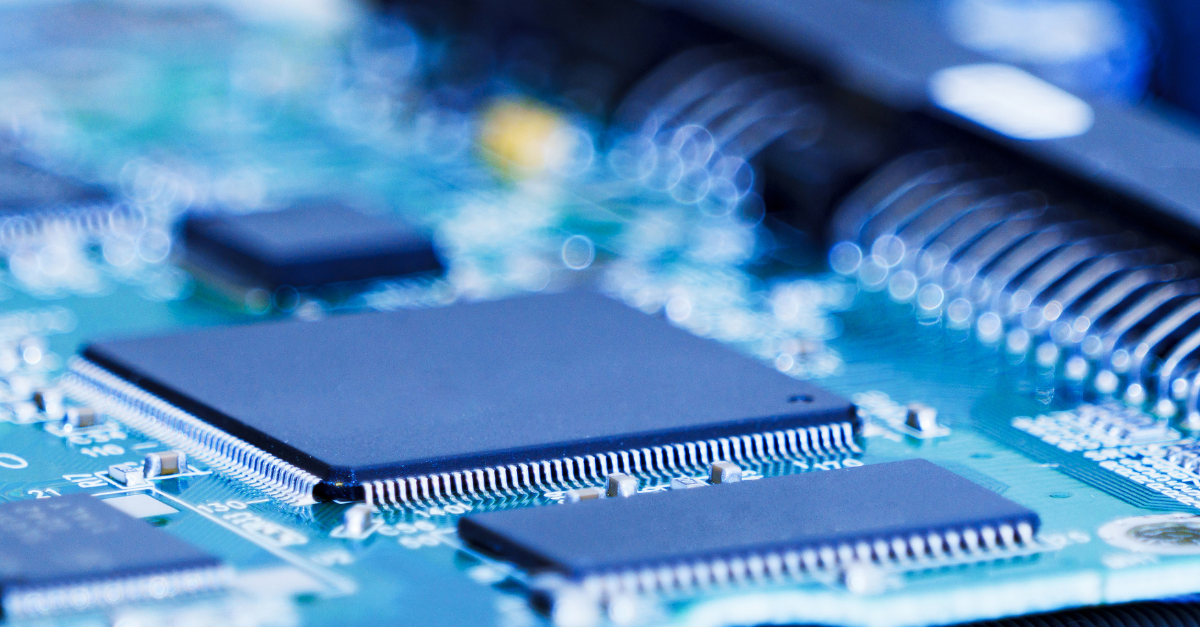
Few industries illustrate the importance of logistics quite like semiconductors.
The chips powering today's servers, data centers, medical devices, robotics systems, and connected technologies are among the most valuable and strategically important products in the world. Yet despite their small size, semiconductor supply chains are incredibly complex, involving specialized manufacturing processes, global supplier networks, and tightly coordinated delivery schedules.
For companies operating within this ecosystem, logistics is not simply about moving products. It is about protecting production schedules, maintaining inventory accuracy, and ensuring critical components arrive exactly when they are needed.
In many cases, precision logistics becomes the difference between uninterrupted production and costly delays.
A Supply Chain Built on Coordination
Unlike many products, semiconductors move through multiple stages of production before reaching the end user.
Raw materials are processed into wafers. Wafers are manufactured into chips. Components are tested, packaged, assembled into finished products, and ultimately integrated into larger systems.
Each stage depends on the successful completion of the one before it.
That level of coordination creates both efficiency and vulnerability. When everything moves according to plan, production remains on schedule. When one link in the chain breaks down, delays can spread quickly across multiple facilities and product lines.
The Cost of One Missing Component
Manufacturers often focus on finished products, but production schedules are built around the availability of individual components.
A server manufacturer may have every part required for a build except one semiconductor component. A medical device company may have completed assembly of an entire product line but be unable to ship because a critical chip has not arrived.
In these situations, the issue is not inventory volume.
It is inventory availability.
The result can include:
- Production downtime
- Delayed customer deliveries
- Increased inventory carrying costs
- Expedited transportation expenses
- Disruptions to future production schedules
The financial impact of waiting on a single component often far exceeds the transportation cost associated with moving it.
Why Just-in-Time Manufacturing Raises the Stakes
Many technology manufacturers continue to operate with just-in-time principles.
The goal is straightforward: reduce excess inventory while ensuring materials arrive when production requires them.
For semiconductor-dependent industries, however, this approach creates little room for error.
When inventory buffers are small, transportation reliability becomes increasingly important. Delays that might be manageable in other industries can quickly affect production schedules when critical components are expected to arrive just before use.
This is why manufacturers are paying closer attention to logistics performance than ever before.
The question is no longer simply whether freight arrives.
It is whether it arrives exactly when production depends on it.
Visibility Matters, but Accuracy Matters More
Semiconductor supply chains generate enormous amounts of data.
Manufacturers track inventory levels, supplier performance, production schedules, and shipment status across global networks.
But visibility only creates value when the information is accurate.
An inventory management system may show components available for production. If physical inventory does not match those records, production planning becomes unreliable.
The same principle applies to transportation. Tracking systems can provide shipment updates, but organizations still need confidence that inventory data, delivery schedules, and production requirements are aligned.
Successful semiconductor operations depend on both visibility and accuracy working together.
Supporting High-Value Freight
Semiconductors and related technology components often represent significant value in a relatively small package.
That creates unique logistics considerations.
Organizations need assurance that products are:
- Handled securely
- Protected during transit
- Tracked throughout the journey
- Delivered according to schedule
A delayed shipment can affect production. A damaged shipment can create even larger consequences.
For this reason, transportation decisions in semiconductor supply chains are increasingly based on reliability and risk management rather than lowest-cost pricing alone.
Building Resilience Into the Supply Chain
The past several years have highlighted how vulnerable semiconductor supply chains can be to disruption.
Manufacturers have responded by investing in greater resilience through:
- Supplier diversification
- Strategic inventory buffers
- Regional distribution strategies
- Enhanced visibility tools
- Backup transportation options
These efforts are designed to reduce dependence on a single path or supplier and improve recovery when disruptions occur.
Logistics plays an important role in each of these strategies.
The goal is not simply moving products efficiently. It is maintaining continuity when conditions change unexpectedly.
Precision Logistics Supports Innovation
The industries driving demand for semiconductors continue to grow.
Artificial intelligence, cloud computing, medical technology, automation, robotics, and advanced manufacturing all rely on a steady flow of semiconductor components.
As innovation accelerates, supply chains must keep pace.
That requires logistics strategies capable of supporting:
- Tight production schedules
- Complex supplier networks
- High-value inventory
- Time-sensitive deliveries
In these environments, precision is not a competitive advantage.
It is a requirement.
Keeping Production Moving
Semiconductors may be small, but their impact on manufacturing operations is enormous.
When production depends on the arrival of critical components, transportation reliability, inventory accuracy, and supply chain coordination become essential.
The strongest organizations understand that logistics is not simply a transportation function.
It is part of the production strategy itself.
Because when one missing component can stop an entire operation, precision matters at every step.
Ready to Improve Supply Chain Reliability?
If your operation depends on high-value, time-sensitive components, logistics performance can have a direct impact on production outcomes. Contact us to learn how reliable transportation, warehousing, and inventory support can help reduce risk and keep operations moving.
Ready to optimize your supply chain?
Contact us today to discover how JIT Transportation can take your business to the next level.
Related Articles
How to Stress-Test Your Supply Chain Before Peak Season
Stress-testing your supply chain before peak season helps expose capacity, inventory, transportation, and communication weaknesses while there is still time to fix them.

How Supply Chains Support Product Launches
A successful product launch depends on a supply chain that can keep components, inventory, transportation, and final delivery aligned with one critical date.

Why Inventory Accuracy Matters More Than Inventory Levels
Having more inventory cannot protect production if teams cannot confidently account for the specific components required for the next build.