
How to Stress-Test Your Supply Chain Before Peak Season
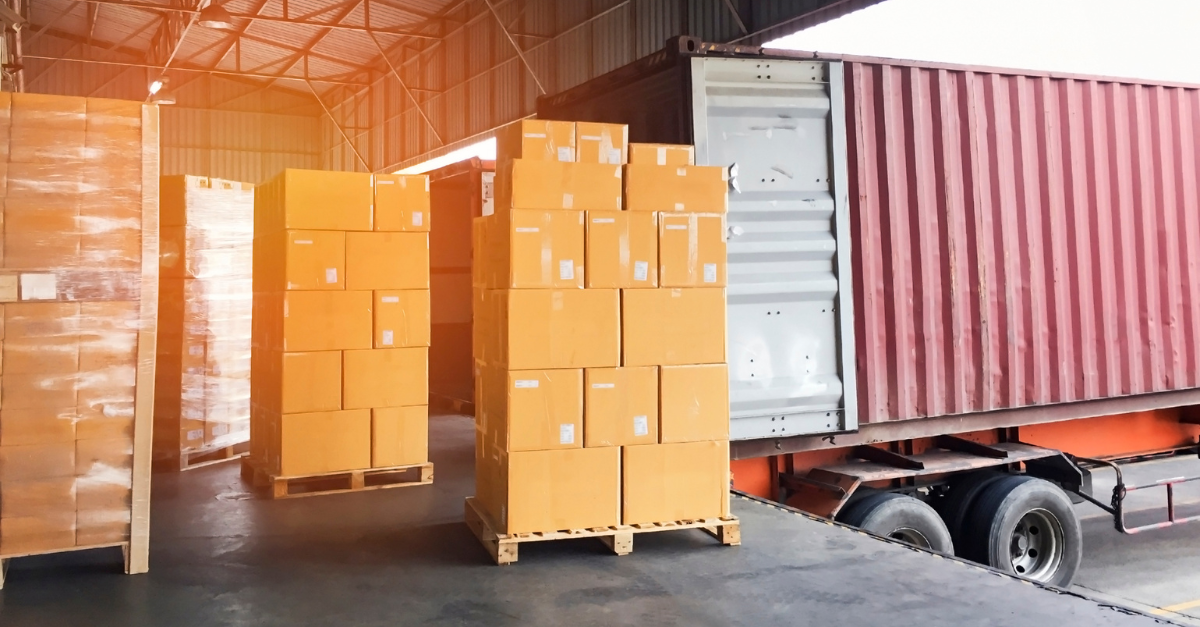
Peak season has a way of finding the weakest point in a supply chain.
A warehouse process that works comfortably at normal volume may struggle when orders increase. A carrier that has capacity today may have fewer options when demand spikes. An inventory discrepancy that takes an hour to resolve in September can create a much larger problem when fulfillment teams are working against tight deadlines.
The best time to discover those weaknesses is not during peak season.
It is before it begins.
Stress-testing a supply chain means looking beyond whether the operation works today and asking a harder question: What happens when volume, pressure, and disruption all increase at the same time?
Start With a Realistic Demand Scenario
A stress test is only useful if it reflects what the operation may actually experience.
Instead of planning around average order volume, look at what happens if demand reaches the upper end of the forecast. Then go further.
What if orders exceed expectations? What if inbound inventory arrives later than planned? What if both happen during the same week?
The goal is not to predict exactly what peak season will look like. It is to understand where the operation begins to lose capacity when conditions become more demanding.
That gives teams time to address bottlenecks before customers feel them.
Find Your Warehouse's Breaking Point
Warehouse capacity is about more than square footage.
A facility may have enough physical space for additional inventory but still lack the operational capacity to receive, process, pick, pack, and ship higher volumes efficiently.
Before peak season, companies should understand how increased volume affects:
- Dock availability
- Receiving and putaway times
- Picking and packing capacity
- Labor requirements
- Order cutoff times
- Outbound staging space
Testing these processes at higher volumes can reveal constraints that are difficult to see during normal operations.
The question is not simply, "Can we store more?"
It is, "Can we move more through the building?"
Verify Inventory Before Volume Increases
Peak season is a bad time to discover that system inventory and physical inventory do not match.
When order volumes are lower, teams may have time to search for missing products, correct discrepancies, or manually work around inaccurate counts. As demand increases, those workarounds become harder to sustain.
Physical inventory verification and cycle counting before peak season can help identify problems while there is still time to correct them.
For manufacturers, this becomes especially important when critical components support production schedules. For retailers and fulfillment operations, accurate counts help prevent overselling, short shipments, and last-minute order changes.
The more pressure placed on an operation, the more valuable trustworthy inventory becomes.
Test Transportation Capacity Before You Need It
Transportation capacity that exists during normal periods may not be available when the market gets tighter.
Companies should know how their transportation strategy performs if a preferred carrier reaches capacity, a lane becomes constrained, or a shipment suddenly needs to move faster than planned.
That does not necessarily mean adding carriers simply for the sake of having more options. It means understanding where the operation is dependent on a single transportation path and what happens if that path becomes unavailable.
Backup capacity is most valuable when it has been identified before the emergency.
Follow a Shipment From Beginning to End
One of the simplest ways to stress-test a logistics operation is to follow a hypothetical high-priority order through the entire process.
Start with inventory.
Is the product physically available? How quickly can it be located and allocated? How long does picking and packing take at higher volume? Are there retailer-specific requirements? When does the shipment need to leave to make its delivery appointment?
Then introduce a disruption.
What happens if the truck is delayed? Who knows first? Who communicates with the customer? Is there a clear escalation process? What options are available to recover the shipment?
Walking through the complete journey often reveals gaps between departments that individual performance metrics do not show.
Test Communication, Not Just Capacity
Peak season problems become more expensive when teams learn about them too late.
A delayed inbound container may affect warehouse labor. A fulfillment backlog may affect transportation schedules. A carrier delay may threaten a retail appointment.
If those functions operate independently, one team's problem can become another team's surprise.
Before volumes increase, organizations should understand who needs to know when something changes, how quickly information moves, and who has authority to make decisions.
Technology can provide visibility, but teams still need a process for acting on the information.
Ask What Happens When Two Things Go Wrong
Most contingency plans are built around a single disruption.
Real supply chains are rarely that cooperative.
A container may arrive late during the same week order volume exceeds forecasts. A critical employee shortage may happen while transportation capacity is tight. A warehouse may be operating near capacity when a customer suddenly increases an order.
A meaningful stress test considers overlapping problems.
Try scenarios such as:
- Demand exceeds forecast while carrier capacity tightens
- Inbound inventory is delayed while existing stock runs low
- Warehouse volume increases while labor availability decreases
- A high-priority shipment misses its original delivery window
If the recovery plan depends on everything else working perfectly, the operation may not be as resilient as it appears.
Know What You Will Prioritize
When capacity becomes constrained, not every shipment can be treated as the highest priority.
Companies should determine in advance what matters most.
That may mean protecting production-critical components, prioritizing key retail appointments, moving high-value customer orders first, or ensuring launch inventory reaches the market on schedule.
Making those decisions before peak season creates clarity when teams are under pressure.
Without clear priorities, operations can spend valuable time deciding what to do while problems continue to grow.
Peak Season Should Validate the Plan, Not Create It
No stress test can predict every disruption.
What it can do is expose where an operation depends too heavily on ideal conditions.
The strongest supply chains enter peak season knowing where capacity exists, where vulnerabilities remain, and what actions teams will take when conditions change.
That preparation does not eliminate pressure. It gives the organization more ways to respond to it.
Peak season should be the time your logistics strategy performs under pressure, not the first time you discover whether it can.
Put Your Supply Chain to the Test
If peak season will bring higher volumes, tighter schedules, or increased transportation demands, now is the time to identify potential bottlenecks. Contact JIT to learn how warehousing, transportation, inventory management, and integrated logistics support can help prepare your operation for what comes next.
Ready to optimize your supply chain?
Contact us today to discover how JIT Transportation can take your business to the next level.
Related Articles

How Supply Chains Support Product Launches
A successful product launch depends on a supply chain that can keep components, inventory, transportation, and final delivery aligned with one critical date.

Why Inventory Accuracy Matters More Than Inventory Levels
Having more inventory cannot protect production if teams cannot confidently account for the specific components required for the next build.
Why High-Value Freight Requires a Different Playbook
High-value freight requires a different logistics strategy because the true cost of a delay or damaged shipment often extends far beyond the value of the freight itself.