
The Anatomy of an On-Time Retail Delivery
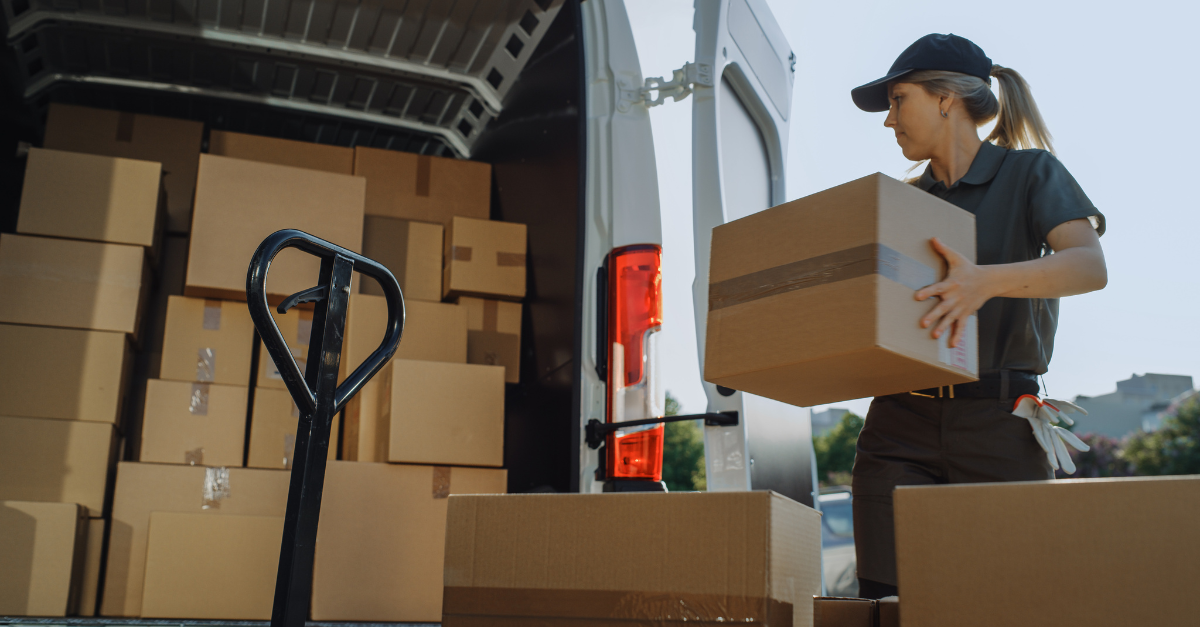
An on-time retail delivery looks simple from the receiving dock.
The truck arrives during its scheduled window. The right products are on board. Pallets are configured correctly. Labels scan. Documentation matches. The retailer accepts the shipment, and inventory continues toward the shelf.
But that final delivery is only the visible part of the process.
Long before the truck reaches the retailer, inventory has moved through a series of coordinated steps involving receiving, warehousing, order preparation, routing, transportation, scheduling, and communication. A problem at any one of those stages can turn an otherwise successful shipment into a late delivery, rejected load, or costly chargeback.
For brands supplying major retailers, consistently delivering on time starts well before the truck leaves the warehouse.
It Starts With Accurate Inventory
Before an order can be prepared, the warehouse needs to know exactly what is available and where it is located.
Inventory discrepancies create problems early. If a system shows 500 units available but only 480 can be physically accounted for, teams may not discover the shortage until the order is already being picked.
At that point, the options become limited. The order may ship short, teams may scramble to locate replacement inventory, or the entire shipment may be delayed.
Accurate receiving, inventory management, and cycle counting help ensure orders are built around inventory that is actually available. That foundation becomes increasingly important as retail volumes grow and delivery windows become less forgiving.
Retail Orders Have Their Own Rulebook
Once inventory is allocated, the next challenge is preparing it according to the retailer's requirements.
Major retailers typically have specific expectations around labeling, packaging, pallet configuration, documentation, routing, and delivery. Those requirements can vary from one retailer to another, which means a process that works perfectly for one customer may create a compliance issue for another.
A shipment can contain exactly the right products and still encounter problems if those requirements aren't followed.
Before freight leaves the warehouse, teams may need to verify:
- Labels and barcodes
- Carton and pallet configurations
- Purchase order information
- Routing instructions
- Required shipping documentation
Getting those details right at the warehouse is much easier than correcting them after freight reaches a distribution center.
The Delivery Appointment Shapes Everything Before It
Retail transportation works backward from a deadline.
If a retailer expects a shipment at a specific distribution center on Tuesday at 10 a.m., the transportation plan has to account for everything required to make that appointment.
When should the truck leave? How much transit time is realistic? Is additional time needed for traffic, weather, or other variables? When does the warehouse need to have the order staged and ready?
That delivery window influences the entire outbound process.
A late departure can make an on-time arrival impossible before the truck has traveled its first mile. A delay during picking can become a transportation problem. A scheduling error can leave perfectly prepared freight waiting for another appointment.
This is why warehousing and transportation cannot operate as separate functions in a retail supply chain.
Transportation Is About More Than Transit Time
Getting from Point A to Point B is only part of retail transportation.
The carrier also needs to understand the delivery requirements associated with the shipment. Appointment times, check-in procedures, documentation, equipment requirements, and communication expectations can all affect whether freight is successfully received.
That makes carrier reliability especially important.
The lowest-cost option loses its value quickly if inconsistent performance results in missed appointments, recovery shipments, or penalties. Retail transportation decisions need to consider the total cost of execution, not simply the rate attached to the load.
Communication Protects the Delivery Window
Even a carefully planned shipment can encounter an unexpected problem.
Traffic builds. Weather changes. A previous stop takes longer than expected. Equipment issues occur.
The difference between a manageable disruption and a major problem often comes down to how quickly everyone knows about it.
Proactive communication gives logistics teams time to respond. They may be able to coordinate with the receiving location, adjust schedules, communicate with the customer, or identify another solution before the delivery window is lost.
Waiting until a shipment is already late removes many of those options.
Arrival Is Not the Finish Line
The truck reaches the distribution center on time. The job still isn't finished.
Freight must be accepted.
If labels don't scan, pallet configurations don't match requirements, quantities are incorrect, or documentation is incomplete, the shipment can still encounter delays at receiving.
In some cases, the retailer may require rework. In others, noncompliance can result in additional fees or rejection.
An on-time retail delivery therefore depends on two things happening simultaneously: the freight has to arrive when expected, and it has to arrive ready to be received.
What an On-Time Delivery Actually Requires
When everything works, the process feels simple. Behind that simplicity is a logistics operation coordinating multiple functions around one customer commitment.
Consistent retail delivery performance depends on:
- Accurate inventory before orders are released
- Retail-compliant picking, packing, labeling, and documentation
- Realistic transportation planning
- Appointment scheduling and management
- Reliable carrier performance
- Proactive communication throughout transit
None of these steps operates independently. Each one protects the next.
Reliability Is Built Before the Truck Arrives
Retailers operate at enormous scale. Their distribution networks depend on suppliers and logistics partners doing what they said they would do, when they said they would do it.
One successful delivery matters. Consistent performance matters more.
When shipments repeatedly arrive on time, correctly prepared, and ready to receive, retailers spend less time solving problems. Inventory moves through distribution centers faster, products become available sooner, and supplier relationships become easier to manage.
That reliability can become a competitive advantage for brands trying to expand their retail presence.
The anatomy of an on-time delivery is not one perfect truckload. It is a repeatable process that makes successful delivery the expected outcome.
Keep Your Retail Deliveries on Schedule
Retail distribution requires coordination from the warehouse floor through the final receiving appointment. Contact JIT to learn how integrated warehousing, transportation, and retail logistics services can help keep your inventory moving accurately and on schedule.
Ready to optimize your supply chain?
Contact us today to discover how JIT Transportation can take your business to the next level.
Related Articles
How to Stress-Test Your Supply Chain Before Peak Season
Stress-testing your supply chain before peak season helps expose capacity, inventory, transportation, and communication weaknesses while there is still time to fix them.

How Supply Chains Support Product Launches
A successful product launch depends on a supply chain that can keep components, inventory, transportation, and final delivery aligned with one critical date.

Why Inventory Accuracy Matters More Than Inventory Levels
Having more inventory cannot protect production if teams cannot confidently account for the specific components required for the next build.