
The Cost of Letting Containers Sit
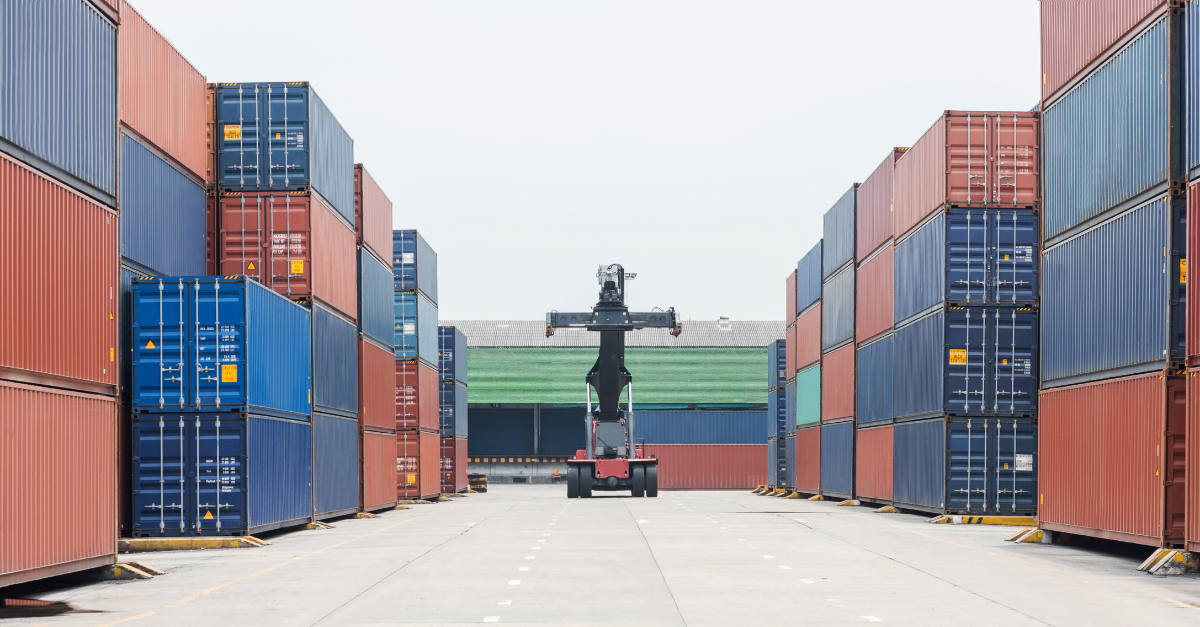
For many importers, the biggest logistics costs aren't always the ones listed on the freight invoice.
Sometimes the most expensive part of the supply chain is what happens after a container reaches port.
Every hour a container waits to be picked up, unloaded, or returned creates additional pressure on the supply chain. Inventory isn't available for production or fulfillment, transportation schedules begin to shift, and storage fees can quietly accumulate in the background.
The container may not be moving, but costs certainly are.
For companies importing high-value products like electronics, networking equipment, medical devices, and premium consumer goods, reducing container dwell time has become one of the most effective ways to improve both efficiency and profitability.
The Clock Starts the Moment the Container Arrives
Once an ocean container is discharged at the port, the timeline begins.
Importers have a limited window to retrieve the container, transport it to a warehouse, unload the freight, and return the empty equipment. Every day that process is delayed increases both cost and operational complexity.
What appears to be a simple scheduling issue can quickly affect the rest of the supply chain.
Products remain unavailable. Warehouses adjust receiving schedules. Customer orders wait longer to be fulfilled. Production teams delay builds while inventory sits inside a container just a few miles away.
The Visible Costs Are Only Part of the Story
Most companies are familiar with demurrage and detention fees, but those charges are often just the beginning.
Extended container dwell time can also lead to:
- Increased drayage costs
- Missed warehouse receiving appointments
- Delayed inventory availability
- Additional labor required to reschedule operations
- Longer customer lead times
These indirect costs rarely appear on a single invoice, but together they can have a significant impact on operational performance.
Inventory Doesn't Create Value Until It's Available
A container sitting at the port may technically contain inventory, but that inventory cannot support production or generate revenue until it's unloaded and processed.
For manufacturers, that can mean waiting on critical components before production can begin.
For retailers, it may delay product launches or leave shelves empty during periods of high demand.
For growing brands, every day inventory remains inaccessible is another day it cannot be sold.
Moving freight quickly from the port into the warehouse shortens the time between arrival and availability, allowing inventory to begin working for the business sooner.
Why Port-Adjacent Warehousing Makes a Difference
One of the most effective ways to reduce container dwell time is minimizing the distance between the port and the warehouse.
When facilities are located nearby, containers can be:
- Retrieved sooner
- Unloaded faster
- Processed into inventory more quickly
- Returned to the port without unnecessary delays
Shorter drayage routes also reduce exposure to traffic congestion, scheduling conflicts, and transportation disruptions that can extend container turn times.
Instead of spending valuable time moving freight farther inland, companies can begin processing inventory almost immediately.
Preparation Starts Before the Container Arrives
Reducing dwell time isn't just about working faster. It's about planning ahead.
Successful importers coordinate transportation, warehouse labor, dock availability, and inventory systems before containers ever reach port.
When those pieces are aligned, unloading becomes part of a planned workflow rather than a reactive process.
That preparation helps warehouses receive freight efficiently while giving operations teams greater confidence in inventory availability and fulfillment schedules.
Every Day Saved Improves the Entire Supply Chain
Reducing container dwell time creates benefits that extend well beyond transportation.
Faster inventory availability means:
- Production schedules stay on track
- Customer orders are fulfilled sooner
- Warehouse capacity is used more efficiently
- Retail replenishment happens faster
- Supply chain teams spend less time reacting to delays
Improving one stage of the process creates momentum throughout the rest of the operation.
Movement Creates Value
Containers are designed to move.
The longer they remain parked at the port, the longer inventory remains unavailable, costs continue to grow, and opportunities are delayed.
The companies operating the most efficient supply chains understand that success isn't measured by how quickly freight reaches the port.
It's measured by how quickly that freight becomes productive inventory.
Ready to Reduce Container Dwell Time?
If containers are spending too much time at the port before inventory becomes available, your logistics strategy may be creating unnecessary costs. Contact us to learn how port-adjacent warehousing, coordinated drayage, and integrated logistics solutions can help keep freight moving.
Ready to optimize your supply chain?
Contact us today to discover how JIT Transportation can take your business to the next level.
Related Articles
How to Stress-Test Your Supply Chain Before Peak Season
Stress-testing your supply chain before peak season helps expose capacity, inventory, transportation, and communication weaknesses while there is still time to fix them.

How Supply Chains Support Product Launches
A successful product launch depends on a supply chain that can keep components, inventory, transportation, and final delivery aligned with one critical date.

Why Inventory Accuracy Matters More Than Inventory Levels
Having more inventory cannot protect production if teams cannot confidently account for the specific components required for the next build.