
Why Integrated Logistics Beats Managing Multiple Vendors
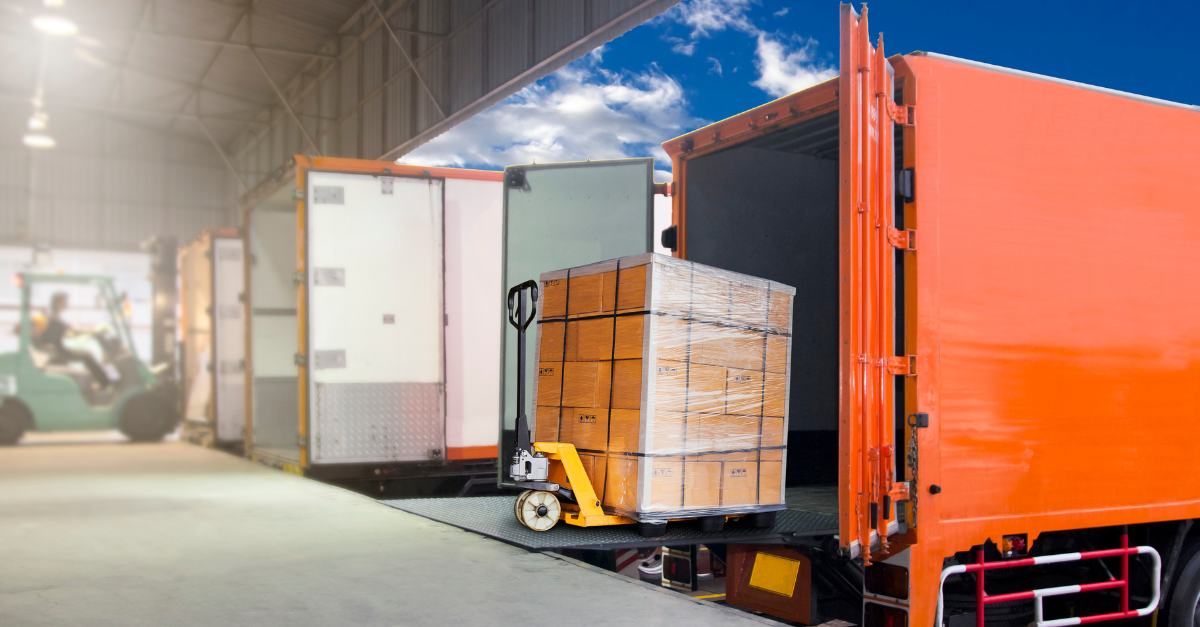
As supply chains grow more complex, many companies respond by adding more vendors. One provider for warehousing. Another for transportation. A separate partner for drayage. Another for last-mile delivery.
On paper, it looks flexible. In practice, it often creates friction.
Managing multiple logistics vendors introduces communication gaps, accountability issues, and operational blind spots that slow decision-making and increase risk. Integrated logistics offers a more controlled, coordinated alternative.
The Hidden Cost of Fragmentation
Every additional vendor adds another handoff. And every handoff creates the potential for delay, miscommunication, or data inconsistency.
Fragmented logistics environments often lead to:
- Conflicting timelines between warehouse and transportation teams
- Limited end-to-end visibility
- Slower issue resolution
- Duplicate administrative work
- Difficulty pinpointing accountability when problems arise
When systems and partners aren’t aligned, small disruptions escalate quickly.
Why Visibility Breaks Down with Multiple Providers
Each vendor typically operates on its own platform, with its own reporting cadence and communication process. That means data arrives in pieces, often at different times.
Without unified visibility:
- Inventory updates lag behind shipments
- Exceptions aren’t flagged early
- Teams spend more time gathering information than acting on it
Integrated logistics consolidates data into a single operational view, reducing uncertainty and accelerating response times.
Accountability Matters When Timing Is Critical
When something goes wrong in a multi-vendor setup, responsibility can become unclear.
Was it a warehouse staging delay?
A carrier scheduling issue?
A miscommunication between providers?
Integrated logistics simplifies accountability. With one coordinated partner overseeing warehousing and transportation, there’s no ambiguity about ownership or resolution.
Stronger Coordination Means Fewer Disruptions
Integrated logistics connects warehouse operations, transportation management, and fulfillment processes under one strategy.
This alignment improves:
- Production scheduling accuracy
- Dock coordination and shipment timing
- Exception management and proactive communication
- Inventory positioning and replenishment
Instead of reacting to isolated issues, teams operate from a unified plan.
Cost Efficiency Without Compromising Control
At first glance, multiple vendors may appear to create cost competition. But fragmentation often introduces hidden costs:
- Expedited freight due to misalignment
- Administrative overhead
- Increased buffer inventory
- Delayed customer deliveries
Integrated logistics reduces these inefficiencies by streamlining processes and eliminating redundant steps.
Simplifying Complexity in Modern Supply Chains
Today’s supply chains demand speed, transparency, and reliability. Managing multiple vendors adds operational noise at a time when clarity is essential.
Integrated logistics creates:
- A single point of coordination
- Unified performance metrics
- Consistent communication
- Greater operational confidence
When logistics functions as one connected system, supply chains move with purpose instead of friction.
Ready to Simplify Your Logistics Strategy?
If managing multiple vendors is creating more coordination than clarity, it may be time to consider a more integrated approach.
Contact us to explore how a unified logistics strategy can reduce complexity and improve performance across your supply chain.
Ready to optimize your supply chain?
Contact us today to discover how JIT Transportation can take your business to the next level.
Related Articles

When Should You Use Dedicated Transportation?
Dedicated transportation can provide greater control over timing, handling, security, and capacity when a shipment's operational requirements outweigh the benefits of shared transportation.

Build, Store, Stage, Deploy: Why Tech Logistics Can't Operate in Silos
Connecting manufacturing, warehousing, staging, transportation, and deployment helps technology companies keep high-value equipment aligned with production schedules and project timelines.

What Happens When Freight Capacity Tightens?
Tight freight capacity can affect far more than transportation rates, making advance planning, carrier options, lane visibility, and flexibility critical to keeping shipments and operations on schedule.