
How 3PLs Help Mitigate Shipping Delays
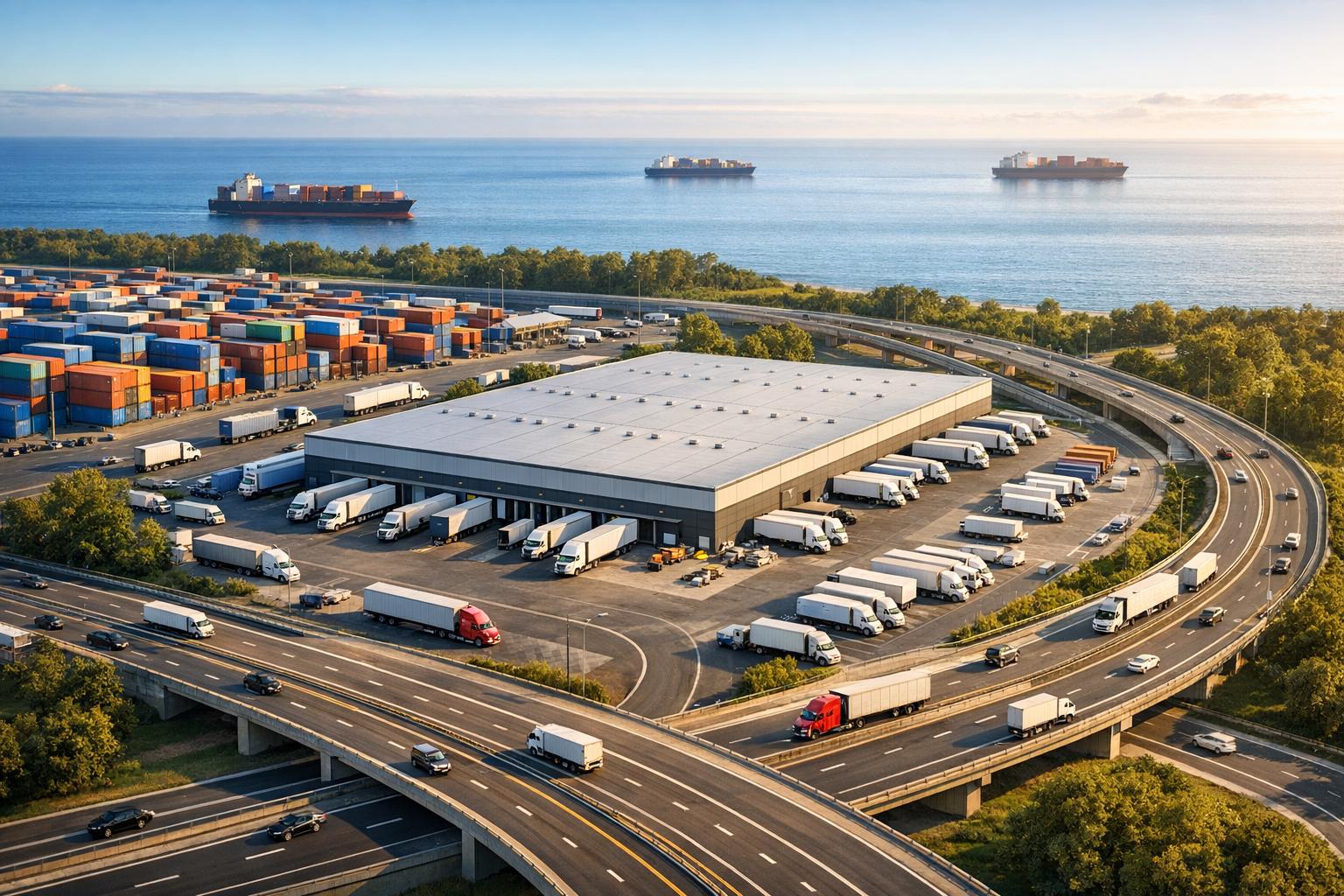
Shipping delays can damage customer trust, increase costs, and hurt your business growth. Partnering with a third-party logistics (3PL) provider can solve these challenges by improving delivery speed, reducing errors, and managing risks. Here's how 3PLs make a difference:
- Real-Time Tracking: Advanced systems detect issues early and provide shipment visibility.
- Scalability: They handle seasonal demand spikes with distributed warehouses and carrier networks.
- Risk Management: Backup plans, diversified transportation, and predictive tools minimize disruptions.
- Cost Savings: Reduced transit times, fewer errors, and optimized carrier selection save money.
- Customer Satisfaction: Faster deliveries and proactive communication improve loyalty.
Mastering 3PL: The Secret to Efficient Logistics
Common Causes of Shipping Delays
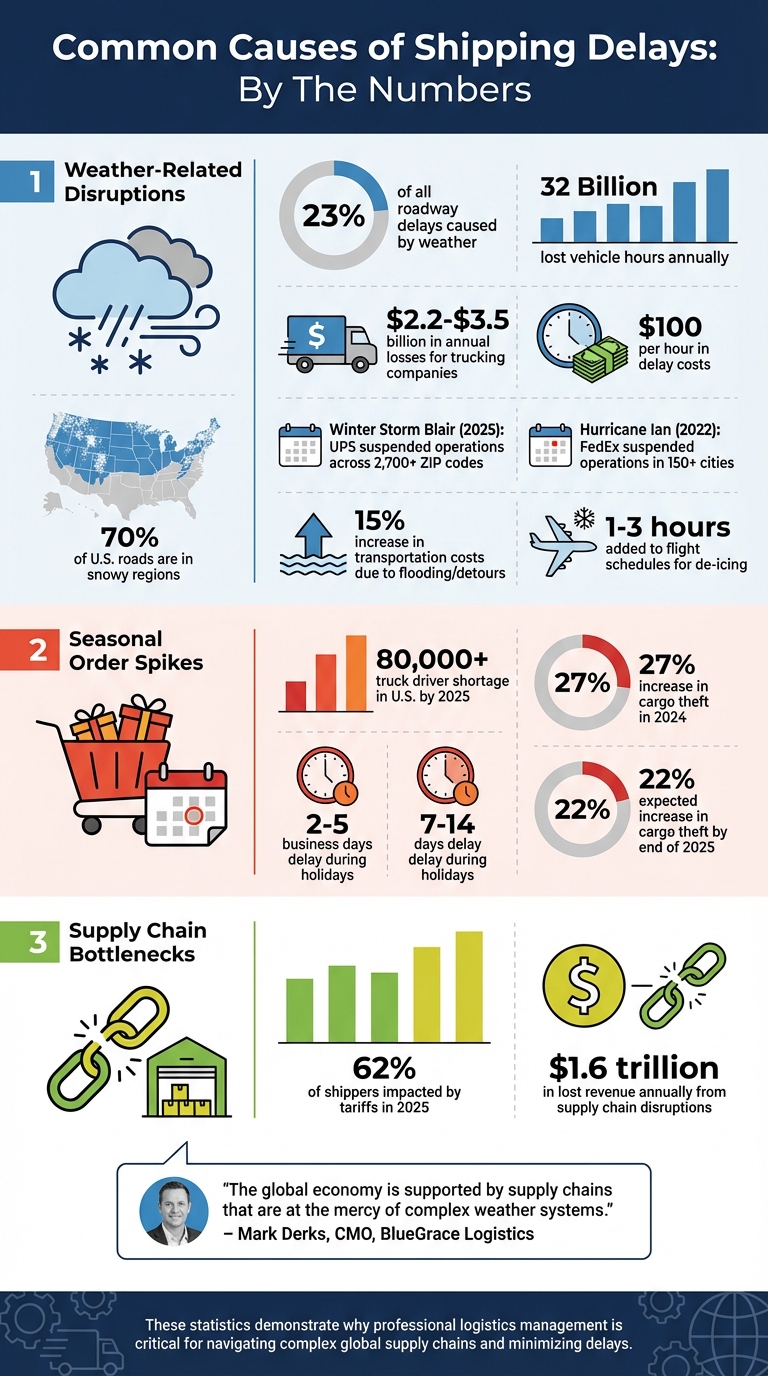
Impact of Shipping Delays: Key Statistics and Causes
Shipping delays can disrupt businesses and frustrate customers, but understanding their root causes can help mitigate the impact. Delays typically fall into three main categories: weather-related disruptions, seasonal demand spikes, and supply chain bottlenecks. Let’s take a closer look at how each contributes to these challenges.
Weather-Related Disruptions
Bad weather is a major factor in shipping delays. It’s estimated that 23% of all roadway delays are caused by weather, resulting in over 32 billion lost vehicle hours annually. For trucking companies, this translates to losses between $2.2 and $3.5 billion per year, with delays costing about $100 per hour.
Winter storms are notorious for causing widespread disruptions. Since over 70% of U.S. roads are in snowy regions, blizzards and icy conditions frequently halt transportation. For example, Winter Storm Blair in early 2025 forced UPS to suspend operations across more than 2,700 ZIP codes in the Midwest, as hazardous roads and infrastructure closures made deliveries impossible. Air travel isn’t immune either - de-icing large aircraft can add 1–3 hours to flight schedules.
Hurricanes and tropical storms can bring shipping to a complete standstill. In September 2022, FedEx suspended operations in over 150 cities due to Hurricane Ian, leaving delivery networks in disarray. Recovery in affected areas can take weeks, as resources are redirected to disaster relief. High temperatures, on the other hand, lead to engine overheating, tire failures, and spoilage of heat-sensitive goods like food and medication. Heavy rain and flooding also wreak havoc, disrupting river shipping routes like the Mississippi and Ohio Rivers, damaging rail tracks, and increasing transportation costs by as much as 15% due to detours and cargo damage.
"The global economy is supported by supply chains that are at the mercy of complex weather systems." – Mark Derks, Chief Marketing Officer, BlueGrace Logistics
Seasonal Order Spikes
The holiday season and major shopping events like Black Friday and Cyber Monday push shipping systems to their breaking point. During these times, carriers operate at full capacity, which tightens pickup schedules and causes widespread delays. Adding to the problem is a truck driver shortage - by 2025, the U.S. trucking industry faced a shortfall of over 80,000 drivers, limiting capacity when demand peaks.
Domestic shipments during the holidays are typically delayed by 2–5 business days, while international shipments can face delays of 7–14 days due to customs backlogs. Warehouses also struggle to keep up, with rapid order surges leading to misplaced stock, slow processing, and inaccurate inventory counts. Customer service teams face their own challenges, as they’re inundated with "Where Is My Order" inquiries, which can harm a company’s reputation if not resolved promptly.
Security risks also spike during peak seasons. Cargo theft rose by 27% in 2024 and is expected to climb another 22% by the end of 2025, as criminals take advantage of rushed operations and reduced carrier vetting. On top of that, surcharges during these periods drive up shipping costs even further.
Supply Chain Bottlenecks
Sometimes, delays start long before packages are handed over to carriers. Supply chain inefficiencies, especially in warehouses, are a common culprit. For instance, when inbound shipments don’t match documentation or items are stored incorrectly, it leads to picking errors that delay outgoing orders. These issues become even more pronounced during busy seasons.
Administrative errors also play a big role. Missing or incorrect paperwork, such as Bills of Lading, can cause freight to be held or misrouted. International shipments are particularly vulnerable to customs issues, which can further delay delivery. Without tools like a Transportation Management System (TMS) or Warehouse Management System (WMS), businesses lack real-time oversight, making it harder to address problems before they escalate.
The freight industry itself has faced challenges, with bankruptcies and consolidations reducing the pool of reliable carriers. This volatility, combined with external factors like port congestion and shifting tariffs, has created additional hurdles. In fact, 62% of shippers reported being impacted by tariffs in 2025, forcing them to adjust sourcing strategies and further straining supply chains.
How 3PLs Reduce Shipping Delays
Third-party logistics providers (3PLs) tackle shipping delays head-on by using advanced systems designed to spot and address potential issues before they disrupt deliveries. These tools are particularly crucial during busy seasons or unexpected challenges, ensuring smooth and reliable operations.
Real-Time Tracking and Visibility Tools
3PLs use cutting-edge technology platforms that link e-commerce stores directly to Warehouse Management Systems (WMS). When an order comes in, it’s automatically sent for processing - eliminating manual errors and speeding up the workflow. Orders are processed almost instantly.
Predictive analytics play a key role here. By analyzing historical shipping trends and simulating potential disruptions, these systems can flag problems like port congestion or carrier delays early on. Businesses and customers are kept in the loop, ensuring transparency at every step. Moreover, 3PLs track carrier performance metrics, such as on-time delivery rates and transit times, to identify and switch to better-performing partners when needed.
Another advantage is real-time inventory synchronization across multiple fulfillment centers. This prevents overselling or running out of stock by ensuring that orders are only placed for items that are actually available. The tracking doesn’t stop there - 3PLs also monitor shipments from the moment containers arrive at a port to their final destination. This helps avoid container pileups and reduces detention fees.
Flexible Infrastructure for Peak Seasons
When demand spikes, 3PLs are ready to scale up without missing a beat. Businesses don’t have to scramble for extra warehouse space or hire temporary staff because 3PLs already have the resources in place. They can quickly expand their workforce and warehouse capacity to manage the surge while maintaining accuracy and speed.
Distributed inventory is another smart strategy. By spreading stock across multiple fulfillment centers, 3PLs position products closer to customers. This approach cuts down on transit times and allows for more affordable ground shipping instead of relying on costly air freight. Facilities near major ports further reduce drayage times and prevent container bottlenecks.
Additionally, 3PLs leverage a wide network of carriers and employ multi-carrier rate shopping technology. This allows them to pivot quickly if a particular carrier faces disruptions. With average carrier operating costs hitting $2.26 per mile in early 2025, and spot rates remaining lower, some carriers have faced bankruptcy, shrinking the pool of shipping options. The flexibility of 3PLs helps businesses navigate these challenges seamlessly.
Risk Management and Backup Plans
Top-tier 3PLs don’t just respond to disruptions - they prepare for them. Distributed warehousing ensures that localized issues, such as extreme weather or regional labor strikes, don’t paralyze operations. If one facility encounters a problem, another can step in to fulfill orders without customers noticing a hiccup.
Transportation diversification is another layer of protection. By working with multiple carriers and using various modes of transport - such as rail, road, ocean, and air - 3PLs avoid over-reliance on any single provider. AI-driven forecasting tools further enhance readiness by predicting potential bottlenecks or weather-related delays, allowing for proactive rerouting.
To bridge gaps during disruptions, many 3PLs maintain safety stock buffers and even pre-load trucks ahead of severe weather events. Multi-carrier rate shopping technology also enables real-time switching between carriers based on performance and availability. This ensures shipments keep moving, even if one carrier’s network goes down. Given that supply chain disruptions cost businesses an estimated $1.6 trillion in lost revenue annually, these contingency plans are vital for protecting both revenue and customer satisfaction.
sbb-itb-eafa320
JIT Transportation's Solutions for Delay Mitigation
JIT Transportation is committed to keeping shipments on schedule by implementing effective risk management strategies. Using a combination of cutting-edge technology and a well-structured infrastructure, the company ensures timely deliveries. By strategically positioning inventory closer to customers, JIT reduces transit times and minimizes shipping delays. Their expansive network includes over 2.5 million square feet of warehouse space, offering the flexibility to handle demand spikes seamlessly.
Nationwide Network and Carrier Partnerships
JIT Transportation operates a comprehensive network that includes over 500 carrier partners and a dedicated fleet of more than 200 trucks. Warehouses are strategically located near major logistics hubs such as Memphis (MEM), Los Angeles (LAX), Houston (IAH), San Francisco (SFO), Sacramento (SMF), Austin (AUS), and Olive Branch (OLV). These locations allow JIT to speed up delivery times and address regional delays efficiently.
| Feature | Resource/Metric | Impact on Delay Mitigation |
|---|---|---|
| Warehouse Network | 14 Strategic Locations | Positions inventory near key hubs to cut transit times |
| Storage Capacity | 2.5M+ Sq. Ft. | Provides room to manage inventory surges during peak seasons |
| Carrier Network | 500+ Partners | Ensures shipping capacity is available even during busy periods |
| Dedicated Fleet | 200+ Trucks | Guarantees reliable service and priority scheduling |
| Operating Hours | 24/7/365 | Prevents delays due to limited operational hours |
This robust network forms the backbone of JIT's operations, allowing the company to deliver consistent and reliable service.
Custom Value-Added Services
JIT Transportation goes beyond basic transportation and warehousing by offering tailored value-added services. These include kitting, assembly, and white glove delivery, which simplify logistics and ensure the secure handling of high-value items. Additional services like pick & pack, product labeling, barcoding, testing, and quality assurance consolidate the supply chain, reducing the need for extra vendor transitions and eliminating unnecessary delays.
Technology Integration for Logistics Management
JIT leverages advanced technology to enhance logistics management. The company integrates directly with leading eCommerce platforms like Shopify, WooCommerce, Magento, BigCommerce, and Amazon FBA/SFP through custom APIs. This seamless connection with its warehouse management system allows for real-time tracking of shipments and inventory, identifying potential disruptions early and maintaining on-time performance during peak periods.
With 52% of consumers expecting deliveries within two to three days, JIT’s technology-driven approach ensures they meet these high expectations effectively.
Benefits of Partnering with a 3PL Provider
Working with a third-party logistics (3PL) provider can simplify your supply chain while protecting revenue and customer trust from potential shipping delays. These advantages are part of a proactive approach to managing risks, creating a more reliable fulfillment network.
Faster Order Fulfillment
3PL providers use automated pick-and-pack systems to eliminate processing delays, ensuring most orders are shipped within 24–48 hours. Additionally, distributed warehousing speeds up delivery by storing inventory in multiple strategically chosen locations. Take cookware brand Our Place, for instance. By adopting this strategy, they reduced delivery times from 5–6 days to just 2.5 days. This shift not only saved them $1.5 million in freight costs but also boosted their daily holiday revenue by $500,000.
Lower Financial Losses from Delays
Shipping delays can chip away at profits through lost sales, refunds, and increased inventory costs. A 3PL can help minimize these losses by leveraging strong carrier relationships to secure shipping capacity during busy seasons. Their real-time warehouse management systems also ensure inventory accuracy, a critical factor since inventory errors can cost anywhere from $10 to $250 per item. Efficient returns management is another key benefit, recovering value more quickly - a major plus when online returns average 21% of an order's value. These tools and practices work hand-in-hand with risk management strategies to keep your supply chain running smoothly.
Better Customer Satisfaction
Delivery performance plays a huge role in customer loyalty. With 39% of consumers unwilling to shop with a retailer again after just one poor delivery experience, timely and reliable shipping is non-negotiable. Beyond speed, communication is key. Real-time tracking systems help identify delays early, keeping customers informed and fostering trust.
The drink mix brand Taste Salud is a great example of how 3PLs can transform operations. Once overwhelmed by manually packing 500 units until 1:00 AM nightly, they streamlined their fulfillment process and scaled their business from $0 to over $20 million in sales.
On top of faster deliveries, 3PLs can enhance the unboxing experience with custom packaging and branded inserts, creating memorable moments that encourage customer loyalty.
Conclusion
Shipping delays and rising customer expectations can feel like a heavy burden for e-commerce businesses, but they don't have to spell disaster. Partnering with the right third-party logistics (3PL) provider can transform these challenges into opportunities. Companies like JIT Transportation offer tools like real-time tracking, distributed warehouse networks, and strong carrier relationships to keep your logistics running smoothly, even when disruptions arise.
Consider this: 52% of consumers now expect delivery within just two to three days, and 41.5% of companies dealing with supply chain disruptions face customer complaints. By strategically positioning inventory across multiple U.S. facilities, businesses can reduce transit times and avoid the expense of expedited shipping. These numbers highlight why a solid logistics strategy is critical for staying competitive and growing sustainably.
Flexibility is everything. A diverse carrier network and detailed contingency plans ensure that orders keep moving, no matter the challenge. With access to a nationwide network of over 500 carriers and more than 200 dedicated trucks, you’re not reliant on a single transportation provider. Whether it’s bad weather, port congestion, or seasonal surges, a 3PL partner can pivot quickly - rerouting shipments or leveraging alternative carriers to minimize disruptions. By combining diversified carriers, automated systems, and real-time tracking, a 3PL not only speeds up deliveries but also strengthens your supply chain against future challenges.
Managing logistics in-house comes with risks, particularly the cost of downtime. In some industries, downtime can reach as high as $260,000 per hour. Delays and inefficiencies are expensive, but inaction is even costlier. Partnering with a 3PL isn’t just about avoiding delays - it’s about creating a supply chain that supports your business as it grows and evolves.
FAQs
How do 3PL providers manage shipping delays caused by severe weather?
Severe weather events - like snowstorms, hurricanes, or floods - can throw a wrench into carrier routes, shut down ports, and cause major delays. That’s where 3PL providers step in to help. By leveraging diversified carrier networks and real-time tracking tools, they can quickly adjust routes or switch to unaffected carriers and transportation modes as soon as disruptions are on the horizon. They also use predictive analytics to anticipate potential delays, allowing them to reposition inventory, combine shipments, or tweak schedules before problems arise.
When delays do happen, 3PLs roll out contingency plans. These plans often include backup agreements with carriers, flexible warehouse staffing, and multi-modal options - like switching from truck to air or rail transport. On top of that, their advanced systems keep customers informed with updated delivery timelines, fostering transparency and trust. For example, JIT Transportation’s extensive network and cutting-edge logistics technology enable quick and reliable adjustments, ensuring e-commerce brands can stick to their delivery promises even when severe weather strikes.
What technologies do 3PL providers use to improve real-time tracking and visibility?
Third-party logistics (3PL) providers rely on cutting-edge technology to keep shipments trackable in real time. Cloud-based platforms like Transportation Management Systems (TMS) and Warehouse Management Systems (WMS) play a key role by centralizing critical data related to orders, inventory, and routing. These systems allow shippers and carriers to access instant updates, ensuring smooth communication. They also integrate with IoT devices - think GPS trackers, RFID tags, and temperature sensors - that send live updates on a shipment's location and condition.
To streamline operations further, many 3PLs leverage predictive analytics and AI tools. These technologies analyze factors like traffic patterns, weather conditions, and historical trends to predict potential delays and refine delivery timelines. Additionally, they offer custom APIs that connect with e-commerce platforms and other systems, enabling real-time updates to flow automatically. This eliminates the need for manual tracking and ensures everyone involved stays informed with accurate, up-to-the-minute details.
How can a 3PL help ensure smooth deliveries during busy seasons?
Partnering with a third-party logistics (3PL) provider can be a game-changer for e-commerce brands during peak seasons. High-demand periods, such as the holidays, bring unique challenges: order volumes surge, freight rates climb, and customers expect faster deliveries. A 3PL steps in with a robust carrier network, advanced tools for demand forecasting and route planning, and scalable resources like additional warehouse space and staffing.
These capabilities ensure smoother operations and happier customers. With features like real-time shipment tracking and proactive updates, the dreaded "Where is my order?" (WISMO) inquiries are minimized. Efficient inventory management, streamlined picking and packing, and reliable last-mile delivery help prevent stockouts and delays. By keeping everything running smoothly, a 3PL - like JIT Transportation - supports brands in maintaining customer trust and loyalty, even during the busiest times of the year.
Related Blog Posts
Related Articles
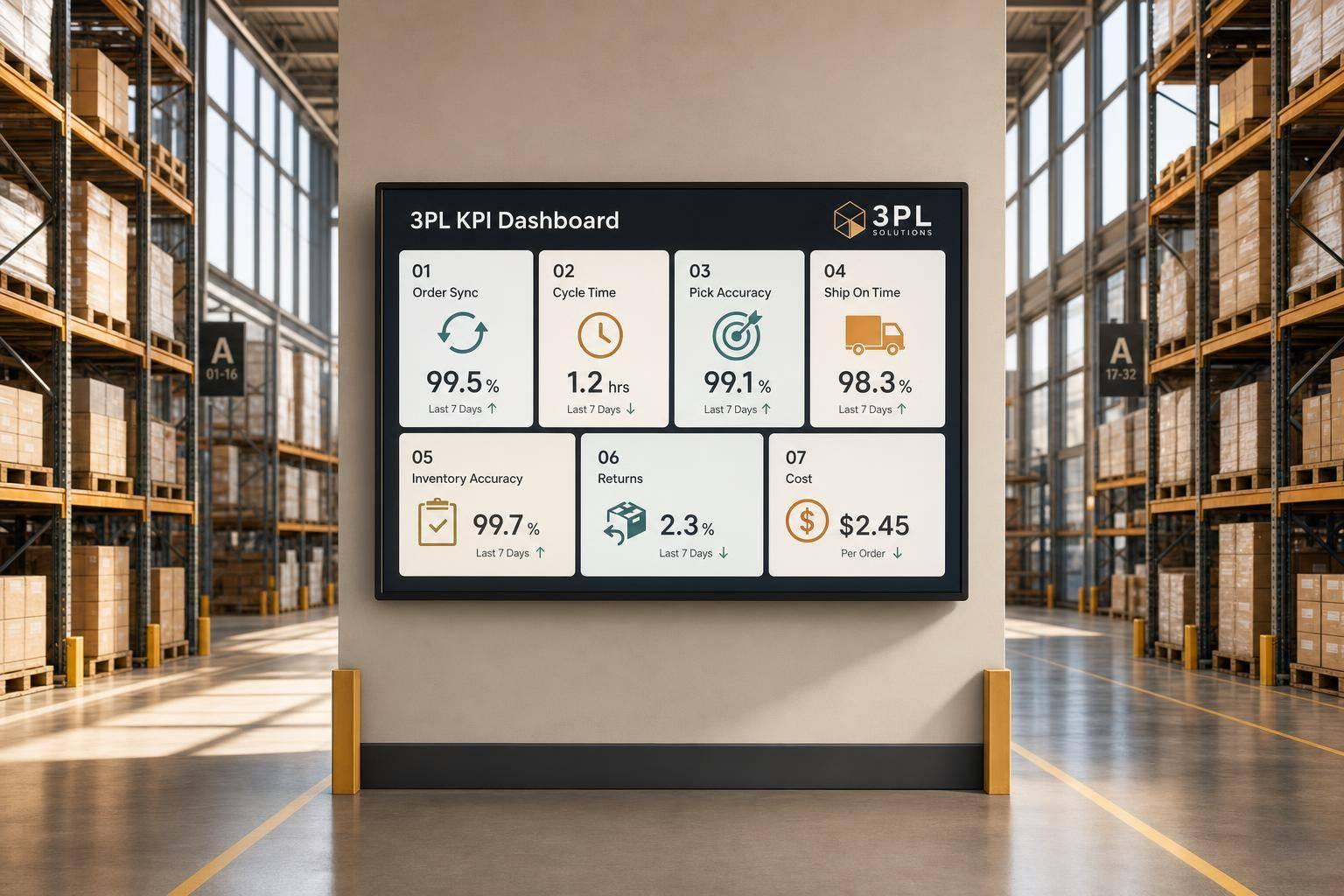
7 WooCommerce 3PL KPIs Teams Track

Centralized vs Decentralized Replenishment
