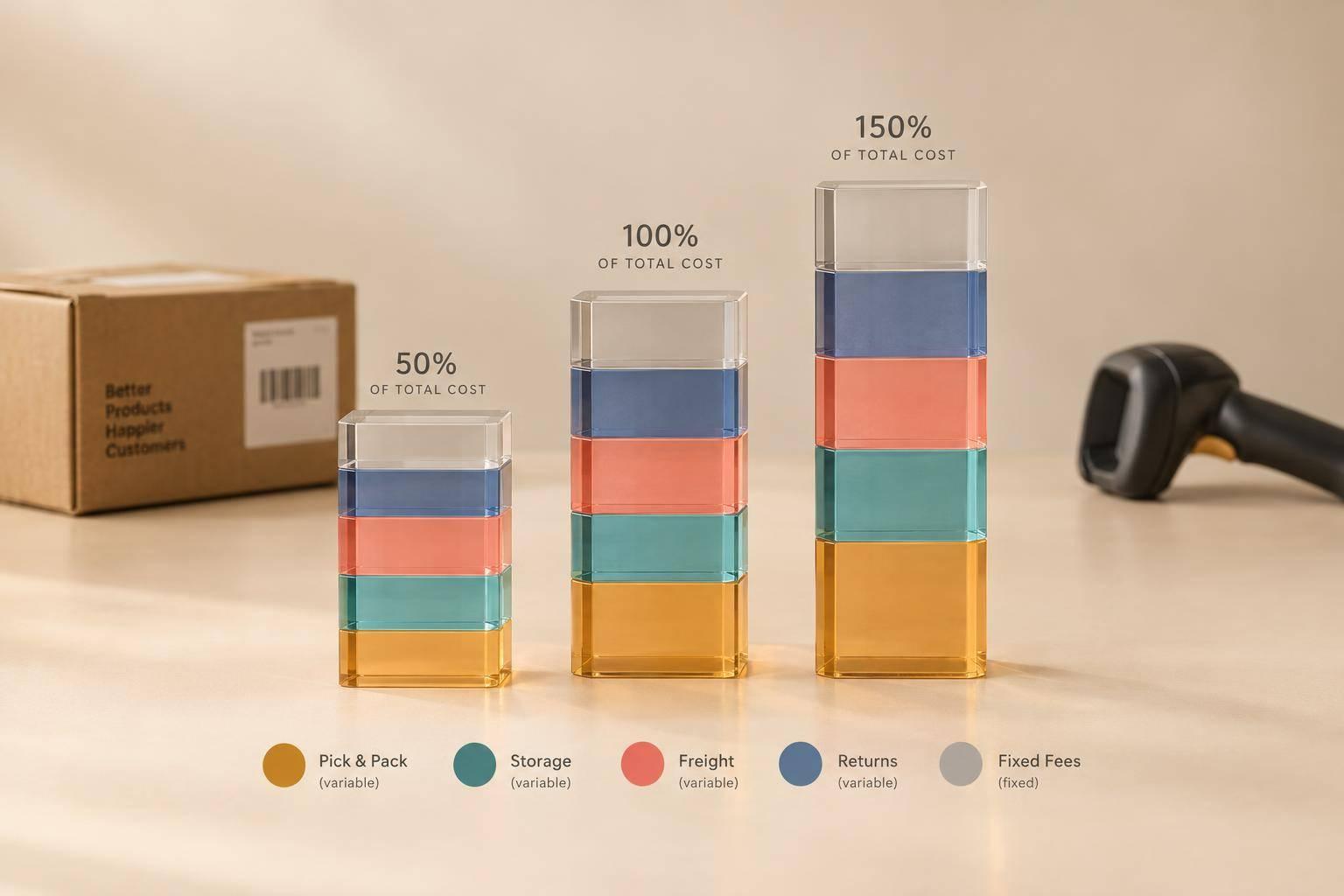
Supply Chain Efficiency Checker for Better Operations
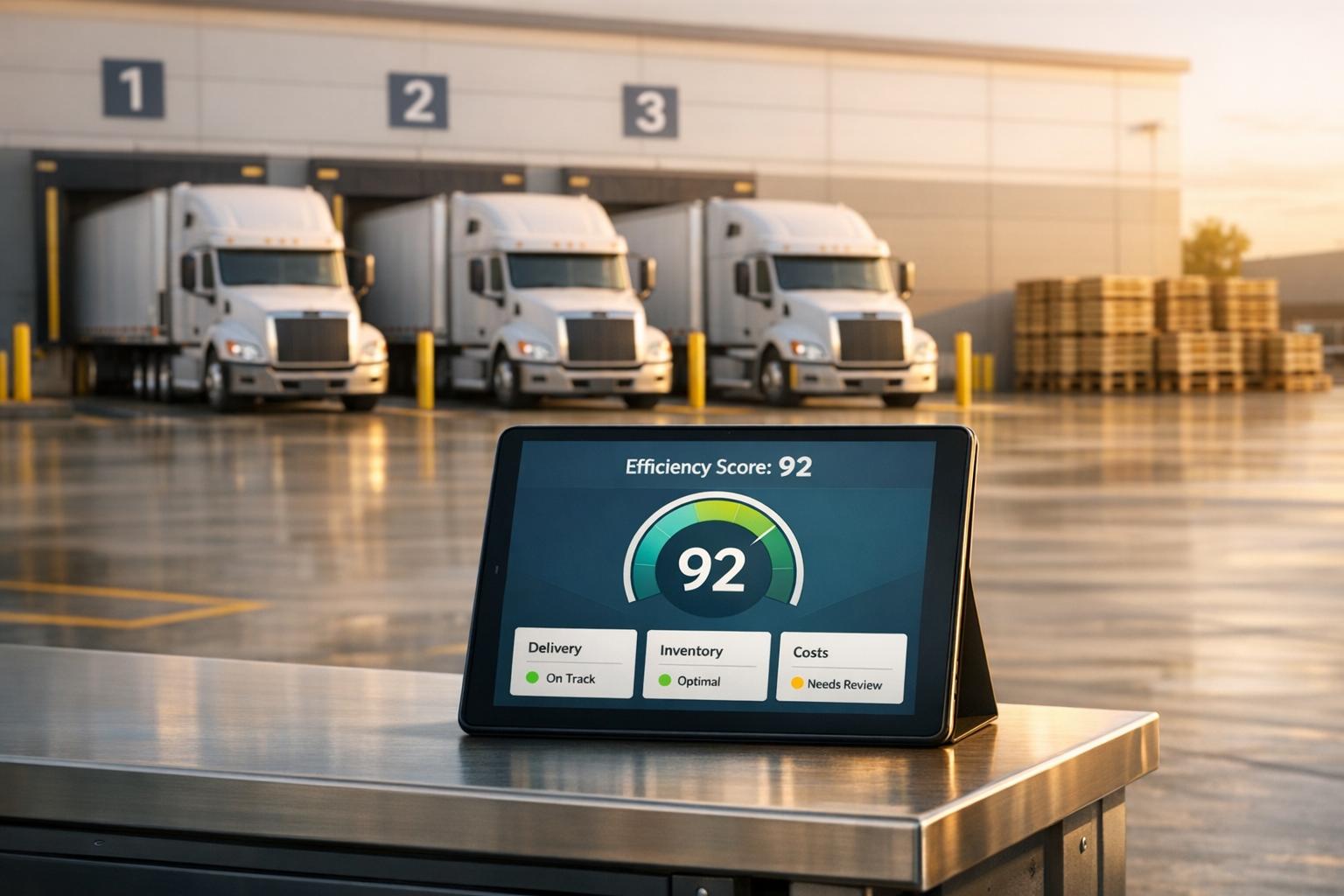
Optimize Your Operations with a Supply Chain Efficiency Tool
Running a business means juggling a million moving parts, and logistics often feels like the trickiest puzzle. That’s where a solid evaluation of your operations can make a huge difference. By analyzing key metrics like delivery speed, inventory management, and shipping expenses, you can uncover bottlenecks that quietly drain resources. Our free checker offers a straightforward way to benchmark your performance against industry standards, delivering instant feedback to help you stay competitive.
Why Logistics Performance Matters
A streamlined supply chain isn’t just about moving goods—it’s about customer satisfaction, cost control, and staying ahead of the curve. If your on-time delivery rate dips below expectations, clients notice. If transportation costs creep up, margins shrink. Taking a hard look at these numbers with a logistics assessment tool lets you spot trends early. Whether you’re a small retailer or a sprawling distributor, actionable insights can guide smarter decisions. Imagine shaving days off delivery schedules or trimming unnecessary inventory fat. That’s the kind of edge this resource provides, empowering you to refine processes without guesswork. Take a moment to input your data and see where you stand—it’s a small step with potentially big payoffs.
FAQs
How accurate are the efficiency scores from this tool?
The scores are based on widely accepted industry benchmarks, like aiming for a 90%+ on-time delivery rate or an inventory turnover of 6-12 times per year. While they’re a solid starting point to gauge performance, every business is unique. Think of these results as a guide—real-world factors like your specific industry or region might shift the ideal targets a bit. Use the recommendations as inspiration and tweak them to fit your setup.
What if my business doesn’t track all these metrics?
No worries! If you’re missing some data, just input what you’ve got, and we’ll still provide a partial analysis with scores for those areas. It won’t be the full picture, but it’ll still highlight strengths and gaps. If you’re new to tracking stuff like inventory turnover, this tool can be a nudge to start—it’s eye-opening to see how these numbers impact your bottom line.
Can this tool help with specific supply chain problems?
Absolutely, though it’s not a deep-dive consultant. The tool flags issues based on your inputs—like slow delivery times or high transport costs—and offers targeted suggestions, such as route optimization or inventory adjustments. It’s best used as a first step to identify problem areas. From there, you might need to dig deeper with your team or a specialist to tackle the root causes.
Related Articles

Demand-Driven Replenishment for Multi-Node 3PL

3PL Models Compared for Reverse Logistics Carbon