
Warehouse Safety Checklist for 3PL Providers
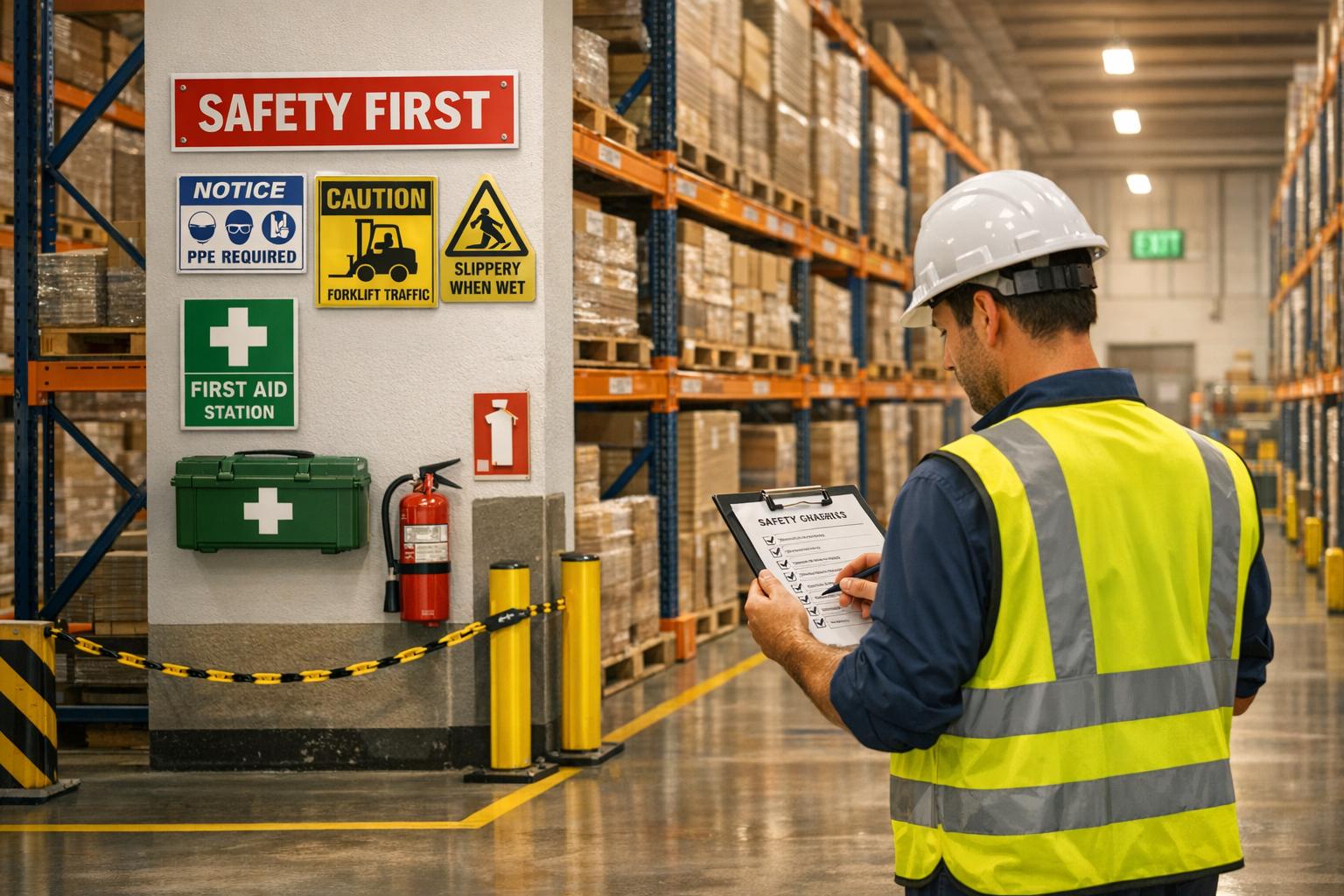
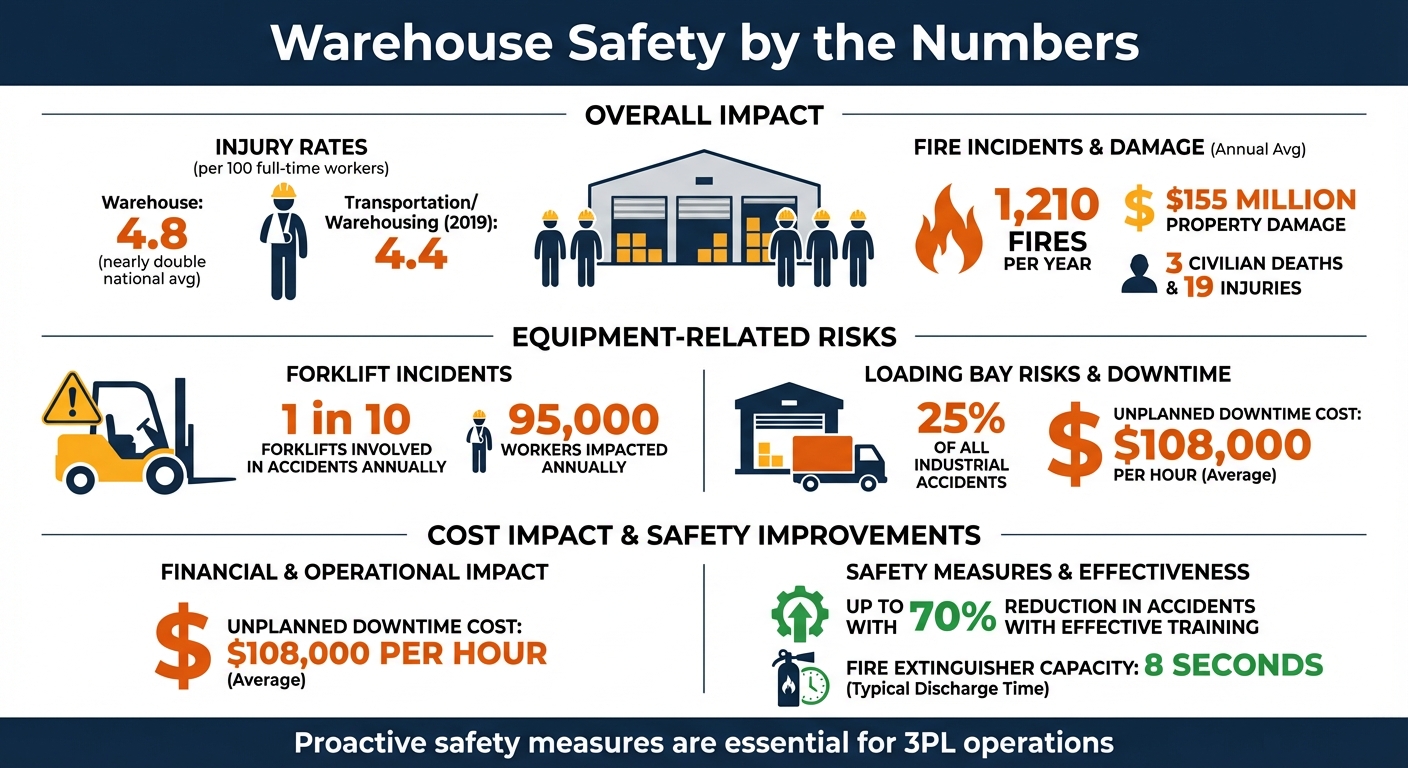
Warehouse safety is non-negotiable. For 3PL providers, it’s about preventing injuries, avoiding costly downtime, and meeting OSHA regulations. With warehouse injury rates nearly double the national average and forklift accidents impacting 95,000 workers annually, safety measures are essential for smooth operations.
Key Takeaways:
- Equipment Inspections: Daily checks on forklifts, conveyors, and storage racks prevent accidents and extend equipment life.
- Employee Training: Proper training and PPE reduce injuries by up to 70%. Certification and regular drills ensure compliance.
- Facility Layout: Clear walkways, marked forklift routes, and anti-slip measures minimize hazards.
- Fire Safety: Accessible extinguishers, sprinkler maintenance, and regular drills protect lives and inventory.
- Audits: Daily and periodic safety checks identify risks before they escalate.
By focusing on inspections, training, and proactive planning, 3PL providers can reduce risks, protect workers, and maintain efficient operations.
Warehouse Safety Statistics and Key Risk Areas for 3PL Providers
Warehouse Safety Tips for Workers from SafetyVideos.com
Equipment and Machinery Inspections
Keeping equipment in top condition is the cornerstone of a safe warehouse environment. According to OSHA, 1 in 10 forklifts are involved in accidents every year. Many of these incidents could be avoided with consistent and thorough inspections, catching mechanical issues before they lead to problems.
Forklifts, Conveyors, and Storage Racks
Start every shift with a full forklift inspection before turning on the engine. Check the basics: fluid levels like oil, water, and hydraulics, and look for leaks or cracks in the body. Don’t overlook tire pressure and condition, and inspect the forks for any signs of cracks, bending, or wear. Once the engine is running, test the steering, brakes, horn, lights, and backup alarms. Also, ensure tilt and hoist controls are working smoothly and without delays.
"Any powered industrial truck not in safe operating condition shall be removed from service. All repairs shall be made by authorized personnel." - Occupational Safety and Health Administration (OSHA)
Storage racks require just as much attention. Walk through the area and look for broken welds, bent or cracked frames, missing bolts, or worn stops. Always place heavier items on lower shelves and secure materials by stacking, blocking, or interlocking them to prevent sliding or collapse. Installing safety back panels on racks can also prevent loose packages or damaged pallets from falling into walkways. For conveyors or other motorized equipment, daily inspections should confirm that hand guards and safety switches are in place and fully functional.
Loading Bays and Electrical Components
Loading bays are a hotspot for accidents, accounting for 25% of all industrial incidents. To keep them safe, start with a daily visual check for spills or debris. Weekly, test dock levelers, roll-up doors, and locks to ensure they’re working properly. Take a deeper look at dock lock systems and load supports on a monthly basis. To prevent forklifts from accidentally driving off the edge, paint dock edges in bright, high-visibility colors and install folding gates or safety barricades at open dock doors.
Electrical systems also need regular attention. Conduct daily pre-use checks of power cords and portable electric tools, looking for frayed wires, damaged insulation, or faulty outlets. Monthly thermal imaging scans of electrical panels can help detect hot spots, arcing, or loose connections before they lead to fires. Battery charging stations must have proper ventilation to disperse hydrogen gas and should be kept clear of open flames. And don’t forget to maintain at least 18 inches of clearance around sprinkler heads to ensure they function properly.
Preventive Maintenance Documentation
Every inspection should be documented - no exceptions. Good record-keeping not only supports OSHA compliance but also helps during insurance claims or legal disputes. Digital reporting tools make this process easier, allowing for timestamped, unchangeable records that are simple to access. Adding QR codes to machinery can link directly to maintenance forms, enabling operators to report issues immediately from the floor.
Each log entry should include the equipment ID, asset barcode, inspector’s name, and the exact time and date. Signatures or digital sign-offs add accountability, ensuring no task is left undone or assumed to be someone else’s responsibility. Follow the Original Equipment Manufacturer (OEM) guidelines for inspection intervals, but increase the frequency for equipment used in demanding conditions. Unplanned downtime costs facilities an average of $108,000 per hour, so detailed logs are crucial for spotting and fixing recurring problems before they grow. Once equipment safety is under control, the next priority is employee training and PPE compliance.
Employee Training and PPE Compliance
A safe warehouse only works if the workers are well-trained and properly equipped. Effective training programs can reduce workplace accidents by as much as 70%. This is especially important considering the warehouse injury rate of 4.8 per 100 full-time workers - nearly double the national average. Many of these injuries stem from insufficient training and improper use of personal protective equipment (PPE). Just like regular equipment checks prevent downtime, focused training plays a huge role in cutting down injury risks. Below are key guidelines for role-specific PPE and ongoing training to help minimize hazards.
Safety Gear and Equipment Training
From day one, every employee should have role-specific PPE, as required by OSHA under 29 CFR 1910.132, which mandates that employers provide PPE at no cost. Here's what different roles may need:
- General workers: Hard hats, high-visibility vests, gloves, and steel-toed boots.
- Chemical handlers: Rubber gloves, chemical-resistant goggles, and respiratory masks.
- Battery charging staff: Acid-resistant gloves and face shields.
- Workers in noisy areas: Earmuffs or earplugs for hearing protection.
Additionally, loose clothing should be avoided to prevent accidents involving conveyors or other moving equipment.
Forklift operators must complete formal certification, which includes training on load capacity, stable stacking, and proper use of horns and lights. This certification needs to be renewed every three years. For manual material handlers, proper lifting techniques - like bending at the knees and keeping the back straight - are essential to avoid musculoskeletal injuries.
Hazard Communication (HAZCOM) training is also critical. It teaches employees how to identify hazardous chemicals, interpret Safety Data Sheets (SDS), and properly use spill clean-up kits. For those maintaining machinery, Lockout/Tagout (LOTO) procedures ensure equipment is de-energized before any work begins, significantly reducing the risk of accidents.
Regular Safety Drills and Quizzes
Training isn’t a one-and-done deal. Fire drills should be conducted at least once a year so employees are familiar with evacuation routes and assembly points. Fire alarms should be tested weekly, and smoke detectors checked monthly to ensure they’re functioning properly.
To keep safety knowledge fresh, implement pop quizzes to assess employees' understanding of protocols. These quick tests reinforce key practices without interrupting daily operations.
Safety Committee Formation
Establishing a safety committee with members from various departments can help continuously monitor hazards and address safety concerns. This group should meet regularly to review incident reports, suggest improvements, and plan future training sessions.
Assign specific employees as safety leads to take charge during emergencies and oversee evacuation procedures. Giving workers roles within the committee encourages open communication about hazards and fosters a shared sense of responsibility for workplace safety.
From here, improving facility layouts can further enhance safety measures.
Facility Walkways, Floors, and Layout Safety
A well-organized warehouse layout isn't just about efficiency - it’s a cornerstone of safety. With over 3 million workplace accidents reported annually, nearly half occurring in warehouses, managing floors and traffic effectively is crucial. Slips, trips, and falls remain one of the top three causes of non-fatal workplace injuries, making clear walkways and thoughtful layout designs essential for any 3PL operation. Beyond equipment checks and training, refining the physical workspace can significantly reduce risks and improve workflow.
Clear Walkways and Hazard-Free Floors
Keeping walkways clear starts with daily housekeeping. Aisles and floors must remain free of clutter like debris, trash, loose boards, cords, hoses, or wires. Implementing a 5S audit system can help maintain order by ensuring proper waste disposal and storage practices.
Spills should be cleaned up immediately, with clear signage placed around slippery areas to warn workers. Equally important is the condition of the floors - cracks, pits, and uneven surfaces need quick repairs to avoid trips or equipment malfunctions. Use floor striping in black and white or orange to mark safe walkways and ensure proper clearances, especially in areas where forklifts are in use. For added safety, install rack back panels to prevent loose packages or damaged pallets from falling into aisles. Guardrails are a must for elevated areas, such as loading docks or equipment pits, where falls greater than four feet could occur.
Forklift Routes and Traffic Management
While clean floors help reduce general hazards, effective traffic management is key to protecting both pedestrians and equipment operators. Keeping pedestrian and forklift traffic separate is non-negotiable. Permanent guardrails or impact barriers are the best way to create physical separation between powered industrial trucks (PITs) and foot traffic. If barriers aren’t practical, clearly marked floor zones can help define safe areas.
"One of the best ways to protect the workers on foot in your warehouse is through predictable routines. If drivers know where people are walking, then they can take extra precautions in those areas." - Julian Adams, Fall Protection Expert
Forklift routes should be designed with enough width for safe navigation and sufficient overhead clearance for sprinkler systems and lighting. Hanging mirrors at intersections and corners can help operators spot oncoming traffic or pedestrians. Speed limits for motorized equipment should be strictly enforced, and both operators and pedestrians should be trained to announce their presence when approaching blind spots.
Work Zones and Layout Optimization
A well-planned warehouse layout not only reduces injuries but also improves operational flow. Hazardous zones, loading areas, and emergency exits should all be clearly marked with appropriate signage. Use crash barriers and pedestrian barriers to establish dedicated lanes that keep machinery and workers safely apart.
Aisles should maintain safe clearances and provide adequate overhead space. In moisture-prone areas, apply anti-slip tape to reduce the risk of falls. Additionally, ensure that the layout allows for proper lighting and ventilation, as poor visibility is a direct contributor to accidents. Clearly designate and label work zones to prevent overlap between equipment and personnel tasks, creating a predictable and efficient flow throughout the warehouse.
sbb-itb-eafa320
Fire Safety and Emergency Preparedness
Fire safety plays a critical role in preventing small-scale incidents from turning into large-scale disasters. It’s not just about having the right equipment - it’s also about regular maintenance and proper training. Between 2009 and 2013, U.S. fire departments responded to an estimated 1,210 warehouse fires annually, which led to an average of three civilian deaths, 19 injuries, and $155 million in property damage each year. For 3PL providers, safeguarding inventory, equipment, and lives means implementing fire safety systems and emergency protocols that go far beyond basic compliance.
Fire Extinguishers and Emergency Exits
Fire extinguishers need to be strategically placed within 50–75 feet of all areas, mounted high near exits and away from heat sources. Monthly visual inspections and annual maintenance, as outlined in NFPA 10, are essential. Since portable extinguishers typically empty in just 8 seconds, staff must be trained not only on their locations but also on how to use them effectively.
Emergency exits and evacuation lighting must always remain operational and clearly visible. All exits should be unlocked from the inside, ensuring access to at least two separate escape routes from every area. Dead-end aisles should not exceed 50 feet, and aisle widths need to meet minimum standards - 24 inches for manual restocking areas and 44 inches for mechanical restocking zones. Routine walkthroughs are crucial to keep aisles, evacuation routes, and fire alarm pull stations free from obstructions like inventory or debris.
Sprinkler systems also demand attention. Standard sprinkler heads require at least 18 inches of clearance below them, while Early Suppression Fast Response (ESFR) sprinklers need 36 inches. To ensure heat can reach sprinkler heads effectively, maintain 3 inches of transverse flue space between pallets and 6 inches of longitudinal flue space between rows. Fire pump riser rooms must remain empty and should never be used for storage.
First Aid Kits and Eye-Wash Stations
First aid kits and eye-wash stations should be stocked, clearly marked, and easily accessible. Regular inventory checks are a must. Eye-wash stations are especially important in battery charging areas due to the risk of exposure to corrosive sulfuric acid electrolytes. Additionally, Safety Data Sheets (SDS) should be readily available, and spill clean-up kits should be placed near hazardous material storage areas.
Emergency Procedure Drills
Emergency drills help employees respond quickly and confidently during crises. Schedule fire and evacuation drills regularly to familiarize staff with escape routes and designated assembly points. Assign specific roles, such as fire watch duties, evacuation management, and equipment shutdown, to trained personnel. Annual fire safety training is mandatory for all employees, with new hires receiving immediate instruction. Training should cover the use of fire extinguishers, identification of fire types, and the location of emergency equipment. As Wayne Doherty from AIE Fire explains:
Fire equipment such as fire extinguishers, fire sprinkler systems, and fire suppression systems stop fire from spreading once it starts, but best-practice is to avoid a fire altogether, and that comes from education and diligence.
Lastly, daily and periodic audits are key to maintaining compliance and ensuring safety measures remain effective.
Daily and Periodic Safety Audits
Regular safety audits are essential for identifying and addressing hazards before they lead to accidents. Daily checks help tackle immediate risks like spills or clutter, while weekly and annual reviews ensure long-term compliance and address recurring issues. According to the U.S. Bureau of Labor Statistics, the injury rate for transportation and warehousing workers was 4.4 per 100 full-time workers in 2019, highlighting the importance of consistent audits. These practices build on the comprehensive safety measures already in place.
Daily Safety Checks
Daily safety checks are the backbone of a proactive warehouse safety culture. At the beginning of every shift, supervisors should walk through the facility to spot hazards and ensure everything is in order. This includes clearing clutter, checking for spills or leaks, and verifying that spill kits are stocked. Equipment like forklifts, conveyors, and dock doors should be inspected to ensure they are functioning correctly. Loading docks and elevated areas need to be clearly marked, and employees must be wearing the proper personal protective equipment (PPE).
Weekly and Annual Audits
Weekly audits go a step further, focusing on broader safety concerns. These include identifying stray cords, ensuring clear markings, and reviewing cleanliness and waste management procedures. Annual audits are even more comprehensive, covering OSHA compliance, rack integrity, forklift certification records, and fire extinguisher readiness. They should also evaluate employee training records, behavior patterns, and how well the current safety protocols are working.
Real-Time Safety Notifications
In addition to scheduled audits, digital tools now make it possible to address hazards as they arise. Tools like SafetyCulture iAuditor, IoT sensors, Bluetooth beacons, and AI-powered cameras can detect issues in real time and send immediate alerts with clear deadlines for corrective action. These technologies are transforming how warehouses manage safety.
As Randy McClure, a Supply Chain Tech Advisor, puts it:
A smart asset tracking system based on artificial intelligence can send alerts for upcoming maintenance and predict an asset's condition. As a result, this increases efficiency and reduces costs.
Digital checklists further streamline the process by replacing paper forms, generating instant reports, and assigning corrective tasks automatically. This ensures that safety measures are not only thorough but also efficient and up-to-date.
Conclusion
A warehouse safety checklist is more than just a compliance tool - it’s the backbone of smooth operations and happy clients. By focusing on regular equipment checks, employee training, facility upkeep, fire safety measures, and routine audits, 3PL providers can minimize accidents and avoid costly disruptions. With injury rates at 5.5 per 100 workers and approximately 95,000 forklift-related injuries annually, the need for strict safety measures is clear.
As the OSHA Education Center aptly puts it:
"Prioritizing safety is the most efficient way of creating a productive warehouse."
– Staff Writer, OSHA Education Center
Taking a proactive stance on safety does more than safeguard employees - it protects inventory, extends the life of equipment, and helps avoid hefty OSHA fines or legal troubles. Clear pathways, well-maintained machinery, and practiced emergency drills all contribute to seamless operations. This reliability ensures fulfillment processes stay on track, keeping clients satisfied and businesses thriving.
Leading 3PL providers see safety as an ongoing responsibility. Comprehensive training programs can cut accidents by as much as 70%, while also boosting efficiency and reducing costs. By aiming higher than basic compliance and building a workplace culture where every team member values safety, warehouses can achieve not only compliance but true operational excellence.
FAQs
What are the key safety checks for warehouse equipment?
Maintaining safe and reliable warehouse equipment starts with regular inspections to spot and fix potential issues before they become serious problems. Begin by conducting a visual check of key equipment like forklifts, pallet jacks, and conveyor systems. Look for signs of wear and tear, such as cracked frames, worn tires, frayed hoses, or damaged guardrails. Make sure all safety features - like horns, lights, emergency-stop buttons, and load-capacity indicators - are working as they should. Don’t forget to inspect for leaks in batteries or fuel systems, which could pose safety risks.
After the visual inspection, take a close look at the maintenance records. Confirm that routine tasks like lubrication, brake testing, and hydraulic system checks have been performed on schedule. Preventive maintenance not only reduces the risk of unexpected equipment failures but also ensures everything operates safely and efficiently. It’s equally important to confirm that equipment is being used in clean, level areas with enough space for operation. Proper stacking and weight distribution, as outlined by the manufacturer, are essential for safe load handling.
At JIT Transportation, these safety steps are a cornerstone of our 3PL operations. We are committed to regular inspections and upkeep to ensure our material-handling equipment stays safe and efficient, supporting our clients’ distribution and fulfillment needs seamlessly.
What are the best ways for 3PL providers to train employees and prevent warehouse injuries?
For 3PL providers, prioritizing employee training is one of the most effective ways to minimize warehouse injuries. A great starting point is implementing a structured training program that aligns with OSHA standards. This program should cover common risks like forklift operation, handling heavy loads, and safely working around moving machinery. Pair classroom lessons on topics like proper lifting techniques with hands-on practice using the actual equipment employees will be operating. Ensuring forklift operators are certified - and re-certified regularly - is essential, along with restricting high-risk equipment to trained personnel only.
To reinforce these lessons, use clear signage throughout the warehouse. Signs that highlight safety procedures, load limits, and emergency protocols act as constant reminders for employees. Regular safety drills, quick team meetings, and refresher courses also help keep safety top of mind. Supervisors play a key role here by observing for unsafe practices and offering immediate corrective feedback when necessary.
Tracking training participation and analyzing incident reports can reveal patterns and potential risks. This data allows 3PL providers to fine-tune their training programs to address specific issues. With these steps in place, businesses can create a safer work environment, reduce injury rates, and keep warehouse operations running smoothly.
What are the key steps to ensure fire safety in a warehouse?
To maintain fire safety in a warehouse, it's crucial to follow local fire codes, OSHA regulations, and NFPA standards. Regular checks of fire extinguishers, sprinkler systems, and alarms are essential to ensure they work properly and are easy to access. Keep aisles and exits free from clutter, and store flammable materials in clearly labeled areas, away from heat sources. Use visible signage to mark fire hazards, extinguisher locations, and evacuation routes.
Employee training plays a key role in fire safety. Offer training sessions on identifying fire risks, operating extinguishers, and understanding evacuation procedures. Create a written emergency plan that outlines alarm protocols, designated assembly points, and specific responsibilities for team members. Conduct regular fire drills to practice the plan and identify areas for improvement. By focusing on equipment upkeep, organized storage, and employee readiness, 3PL providers like JIT Transportation can ensure their warehouses remain safe and efficient.
Related Blog Posts
Related Articles
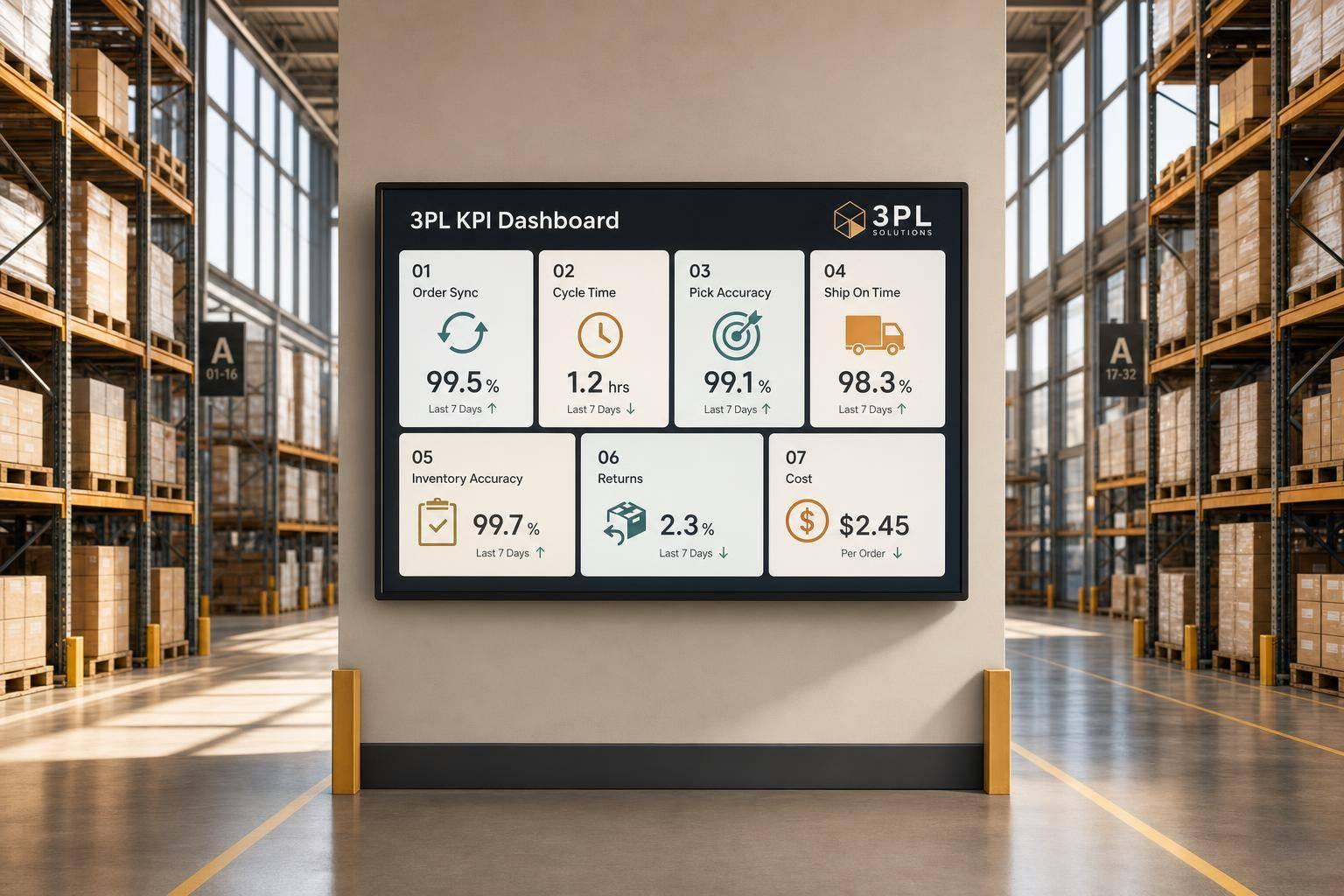
7 WooCommerce 3PL KPIs Teams Track

Centralized vs Decentralized Replenishment
