
Delivery Route Efficiency Checker Tool
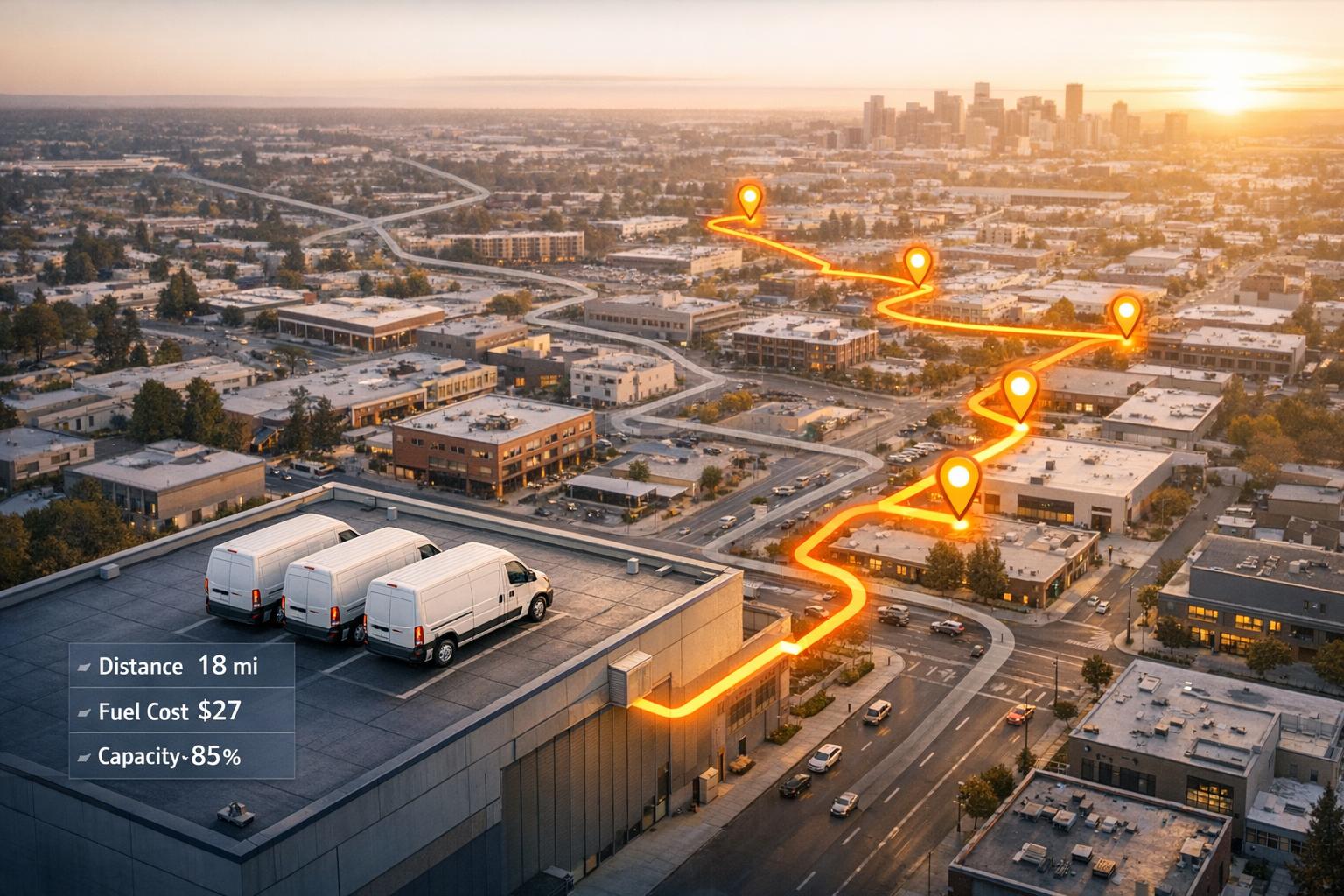
Smarter Planning for Delivery Teams
A Delivery Route Efficiency Checker gives logistics teams a quick way to review a planned run before it turns into wasted time and fuel. Instead of guessing whether a route is reasonable, dispatchers can enter a starting point, add multiple stops, and get a practical estimate of total distance, fuel use, and stop order.
Why Route Efficiency Matters
Even small improvements in route planning can reduce operating costs. A cleaner sequence of stops can cut mileage, lower fuel spend, and help drivers stay on schedule. For companies managing local drops, regional deliveries, or last-mile fulfillment, that visibility matters.
What This Tool Helps You Catch
This route optimization tool also checks whether the planned load exceeds vehicle capacity, making it easier to catch problems before a truck leaves the yard. That kind of early warning can help avoid split deliveries, overloaded vehicles, and unnecessary delays.
Fast Estimates Without Complexity
The Delivery Route Efficiency Checker is built for fast decision-making. Whether you're comparing route options, estimating fuel cost, or validating a multi-stop delivery plan, it offers a clear snapshot without the overhead of a full transport management platform.
FAQs
How does the tool estimate route distance without live mapping data?
When live mapping isn't connected, the tool uses a simplified shortest-path assumption or mock distance logic to create a practical estimate. That means it's best for planning, comparisons, and quick checks rather than turn-by-turn navigation. If you want a fast way to compare route options before assigning drivers, it's a very useful starting point.
Can I use postal codes, full addresses, or coordinates for stops?
Yes. The tool is designed to accept city names, postal codes, street addresses, or latitude and longitude coordinates, depending on what you have available. The key is consistency and completeness—if a stop is missing or unclear, the tool should prompt you to correct it so the route output is more reliable.
What happens if the vehicle capacity is exceeded?
The tool flags the route so you can spot the issue right away before dispatch. That warning helps you decide whether to split the run, switch vehicles, or reduce the load. It's a simple check, but it can prevent expensive delays, compliance problems, and wasted fuel.
Related Articles
7 WooCommerce 3PL KPIs Teams Track

Centralized vs Decentralized Replenishment
