
Ultimate Guide to Personalizing DTC Fulfillment
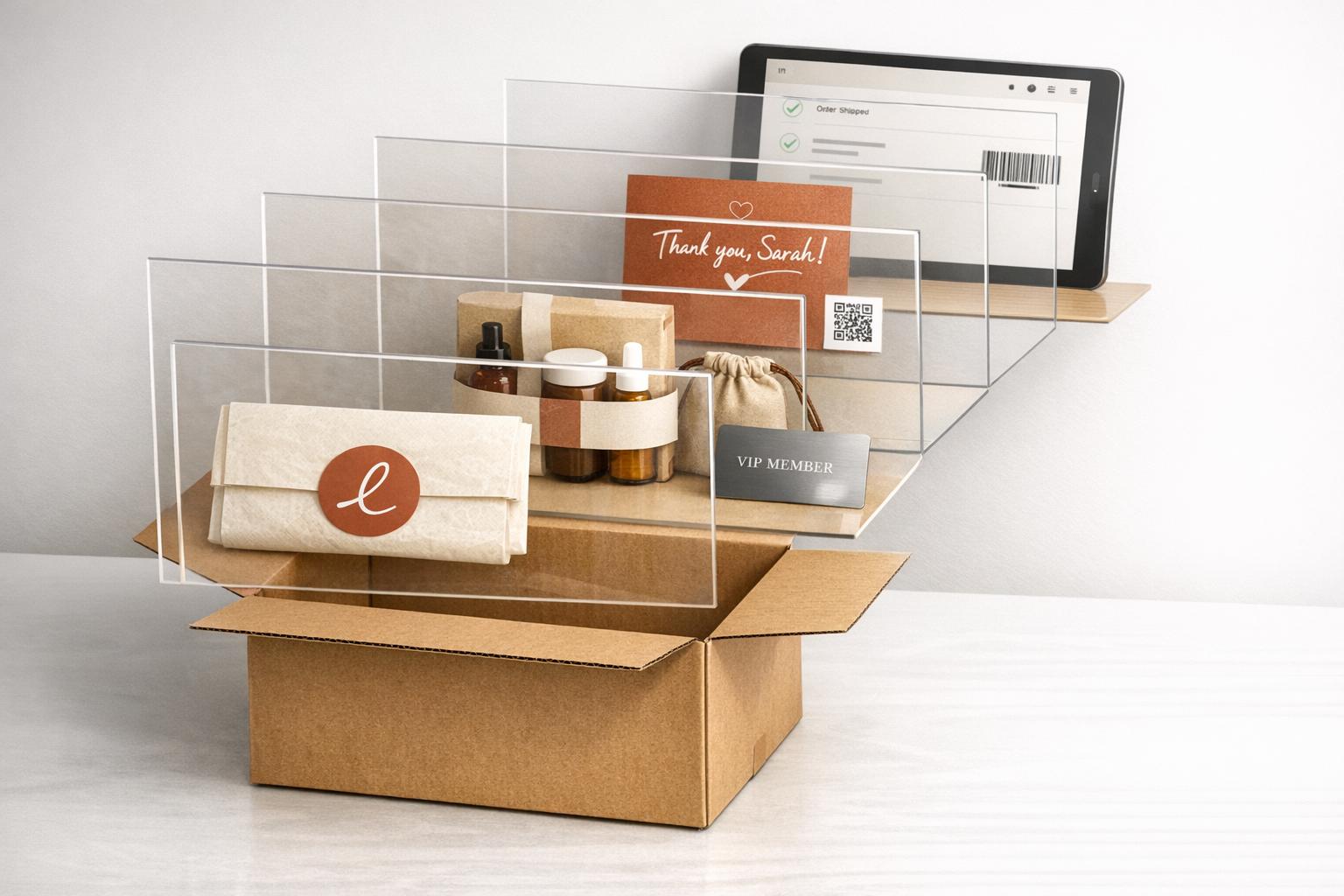
When customers hit "buy now", they expect more than fast shipping - they want a delivery experience that feels tailored to them. Personalized DTC (Direct-to-Consumer) fulfillment is about adding those extra touches: branded packaging, curated product bundles, handwritten notes, or flexible delivery options. These details not only make your brand stand out but also drive 40% higher revenue and make customers 60% more likely to reorder.
Here’s the core takeaway: Personalization transforms fulfillment into a tool for customer loyalty and growth. By leveraging customer data, integrating smart technology, and working with reliable logistics partners, you can create a fulfillment process that exceeds expectations. From custom packaging to VIP loyalty perks, this guide dives into actionable strategies to help you scale your fulfillment while building stronger customer relationships.
Key highlights:
- Why it matters: Personalized fulfillment boosts revenue, retention, and brand differentiation.
- How to do it: Use branded packaging, kitting, loyalty programs, and flexible delivery options.
- Execution tips: Partner with 3PL providers, adopt advanced tech, and measure results with key metrics.
Let’s explore how to turn every package into a memorable brand moment.

Impact of Personalized DTC Fulfillment on Revenue and Customer Loyalty
Why Personalization Matters in DTC Fulfillment
Better Customer Experience
These days, customers expect more than just a transaction - they want an experience that feels personal. Adding touches like branded packaging, tailored inserts, or even automated "handwritten" notes can transform a routine delivery into something memorable. It’s these little details that turn an ordinary unboxing into an emotional connection.
The unboxing experience itself is often underestimated. Custom packaging and thoughtful extras can resonate with customers in ways that go beyond the product. Michael Jaskulsky, Director of Business Development at UnDigital, highlights this:
Our data shows tailored fulfillment increases reorder rates by 60%, enhancing customer loyalty.
But it’s not just about the packaging. Keeping customers informed builds trust. For example, letting them know when their made-to-order item enters production or providing real-time tracking updates can ease their post-purchase worries. Stefan Vermaas, Founder of Codeture, puts it this way:
This proactive transparency doesn't just keep customers informed - it creates delight.
By focusing on these details, brands create experiences that not only please customers but also encourage loyalty and repeat purchases.
Higher Revenue and Customer Retention
Personalization isn’t just a feel-good strategy - it directly impacts revenue. Companies that prioritize personalization generate 40% more revenue than those that don’t. A 2019 McKinsey study estimated the total value of personalization at scale to be $1.7 trillion, with up to $800 billion coming from the retail sector alone.
This revenue growth comes from several angles. Including personalized product recommendations or marketing inserts in shipments can encourage larger purchases. Loyalty programs tied to fulfillment - like QR codes for reward points or exclusive samples for VIPs - create immediate reasons for customers to come back. In fact, 70% of U.S. shoppers are more likely to buy when product pages feature content tailored to their preferences.
Personalization also boosts customer lifetime value. For instance, providing care instructions specific to a product can enhance satisfaction and longevity. Subscription services that offer personalized delivery windows help reduce churn by fitting seamlessly into customers' schedules. These thoughtful touches not only drive immediate sales but also strengthen long-term relationships with customers.
Standing Out from Competitors
In a crowded market, personalization is what sets brands apart. With the direct-to-consumer market expected to surpass $7.4 trillion by 2025, sticking to generic fulfillment strategies simply won’t cut it. While fast shipping is now standard, what happens when the box arrives is where brands can truly shine. Custom packaging and personal notes create a "wow" factor, often leading to social media shares - offering priceless organic marketing.
But personalization isn’t limited to what’s inside the box. Flexible delivery options, like specific time slots or eco-friendly shipping, show customers you understand their values. For example, in February 2025, skincare brand Topicals used returns data from Loop to identify common reasons for product returns. By addressing these trends, they improved their product development and marketing, cutting return rates for their top five products by 20%. Even in areas like returns management, personalization can give brands a competitive edge.
Today’s leading brands aren’t just delivering products - they’re creating experiences customers remember and share. By personalizing fulfillment, you’re not just competing on price or speed; you’re building emotional connections that make your brand stand out in even the most crowded markets.
sbb-itb-eafa320
IntelliJAMS EP 044: Close to the money DTC personalizations
How to Personalize Your DTC Fulfillment
These tailored strategies can transform routine shipments into memorable brand moments, building customer loyalty and boosting revenue. Start small by picking one or two approaches that align with your brand's identity and audience preferences.
Custom Packaging and Inserts
Your packaging is often the first interaction a customer has with your brand. In fact, first impressions are made within just 7 seconds of seeing that package arrive. This makes custom packaging one of the most impactful ways to personalize.
Start with the essentials: branded boxes, custom tape, and your signature colors for instant recognition. Small touches like a thank-you card or a branded sticker can make the unboxing experience feel special.
Adding personalized inserts takes it up a notch. You might include automated "handwritten" notes, care instructions specific to the product, or QR codes linking to exclusive content. The key is to make these extras relevant to the customer or item. A solid warehouse management system can help you manage these personalized elements efficiently, ensuring accuracy during fulfillment.
Another way to personalize the experience is through thoughtful product bundling.
Kitting and Product Bundling
Kitting involves pre-assembling multiple items into a single, ready-to-ship package. For instance, you could create a skincare kit featuring a cleanser, toner, and moisturizer, or bundle a phone with a charger and case. This approach not only enhances the customer experience but also speeds up delivery.
By using customer data, you can create bundles that feel handpicked. For example, analyzing purchase history or leveraging AI can help identify complementary products to group together. One beauty brand pre-assembled holiday gift sets, cutting pick-and-pack time by 28% and reducing packing errors by 15% across 10,000 orders. High-volume kits can even ship 30% faster than individually picked items.
Treating kits as a single SKU simplifies inventory management and ensures customers get the right combination every time. This is especially useful during busy seasons when speed and accuracy are crucial. For subscription-based brands, monthly curated boxes tailored to customer preferences - whether for wine, snacks, or clothing - encourage repeat purchases and build long-term loyalty. To align with customer values, consider pairing premium unboxing experiences with recyclable, eco-friendly materials.
For your most loyal customers, integrating VIP perks into your fulfillment process can make them feel even more valued.
VIP Tiers and Loyalty Programs
A strong VIP program goes beyond discounts, offering perks like faster shipping, priority processing, and personalized updates at every stage. The best programs are seamlessly integrated with fulfillment operations.
For example, you can use order data to automatically extend return periods for VIP customers, showing appreciation for their business beyond the initial purchase. Real-time notifications - like updates when a personalized item enters production - help strengthen the connection with your audience.
Incorporating loyalty data into the physical package can elevate the experience even further. Try printing point balances or tier status on packing slips, adding QR codes to direct customers to their loyalty accounts, or using "VIP" stickers or tape to make premium orders stand out. Sarah Elizabeth Hunt from LoyaltyLion puts it well:
Personalization in loyalty programs isn't just a nice-to-have. It's fast becoming a necessity.
The most advanced programs use zero-party data - information customers willingly share through quizzes or profiles - to include extras like personalized product samples or tailored instructions. In fact, 44% of consumers specifically want rewards tied to their purchase history.
| Loyalty Approach | Focus Area | Examples |
|---|---|---|
| Transactional | Lowering entry barriers | Discounts on first purchases, referral points |
| Functional | Tangible value beyond price | Free shipping, early access to launches, extended returns |
| Emotional | Lifestyle and community | Styling sessions, exclusive events, branded gifts |
Executing Personalized Fulfillment Operations
Pulling off personalized fulfillment requires a combination of strong infrastructure, skilled partners, integrated technology, and adaptable strategies.
Working with 3PL Partners
Collaborating with a third-party logistics (3PL) provider can give you access to specialized tools and expertise without the hassle of building everything in-house. A good 3PL can handle tasks like laser engraving, embroidery, custom greeting cards, and even direct-to-object printing on materials like paper and metal.
Take JIT Transportation, for example. They offer a range of 3PL solutions, including pick-and-pack, kitting and assembly, testing, and white-glove handling. With their nationwide network and advanced tech, they provide the scalable setup you need for personalized fulfillment. By outsourcing these execution details, you can focus on growing your brand.
Here’s a real-world example: a 90-day pilot with Nestlé resulted in $2.3 million in extra revenue and a 40% drop in return rates. How? By using targeted samples, tailored packaging, and QR-based customer engagement. Sharing customer data with your 3PL partner to create these tailored experiences is key to achieving such results.
Once you’ve nailed collaboration, the next step is integrating advanced technology to take personalization to the next level.
Technology Integration
Technology is the backbone of scaling personalized fulfillment. Systems like Warehouse Management Systems (WMS) help with visibility and coordination for complex tasks such as kitting and custom assembly. Meanwhile, Transportation Management Systems (TMS) ensure orders are delivered exactly as needed, even for premium services like white-glove delivery.
"Technology platforms like TMS, WMS, and integrated fulfillment systems give modern supply chains the visibility, coordination, and precision required to execute true just-in-time logistics." – JIT Transportation
Enterprise Resource Planning (ERP) systems are another must-have. They enable real-time integration of inventory, orders, and customer data, paving the way for AI-driven predictive fulfillment. This means anticipating reorders and including targeted samples or incentives. In 2022, Target’s personalization team showed the power of this approach, delivering 169 billion recommendations that resulted in over $4 billion in demand.
Serialized tracking is essential for monitoring products that require custom modifications, while real-time data from CRM tools helps create tailored bundles and packaging. Integrated platforms unify vendor management, reducing risks and improving accountability. For high-value items, encrypted tracking and verified handling systems ensure both the shipment and its associated data are secure.
Flexible Fulfillment Models
Personalized fulfillment also requires flexibility. Hybrid models - combining in-house operations, 3PL partnerships, and dropshipping - allow you to adapt to different customer needs. For instance, you can use dropshipping to test low-volume personalization features, while reserving white-glove services for your VIP customers. This flexibility lets you adjust based on order volume or customer location, ensuring timely and personalized service.
The ship-from-store model is another effective strategy. It uses your retail inventory for fast, localized delivery, with options for custom packaging or inserts based on proximity data. Personalized notifications for pickups or nearby promotions can also enhance the overall customer experience, creating seamless omnichannel journeys that boost engagement and upselling opportunities.
To get started, use data analytics to segment your customers and adopt technology for real-time tracking and monitoring. Test personalized inserts and bundles while ensuring your ERP system can handle peak volumes. Build systems that adapt to your customers’ ever-changing needs.
Measuring and Improving Personalization Results
Once you've implemented personalized fulfillment, it's crucial to measure its performance. This allows you to fine-tune your approach and maintain success. Focus on metrics that clearly show ROI and identify areas that need attention.
Tracking Key Performance Metrics
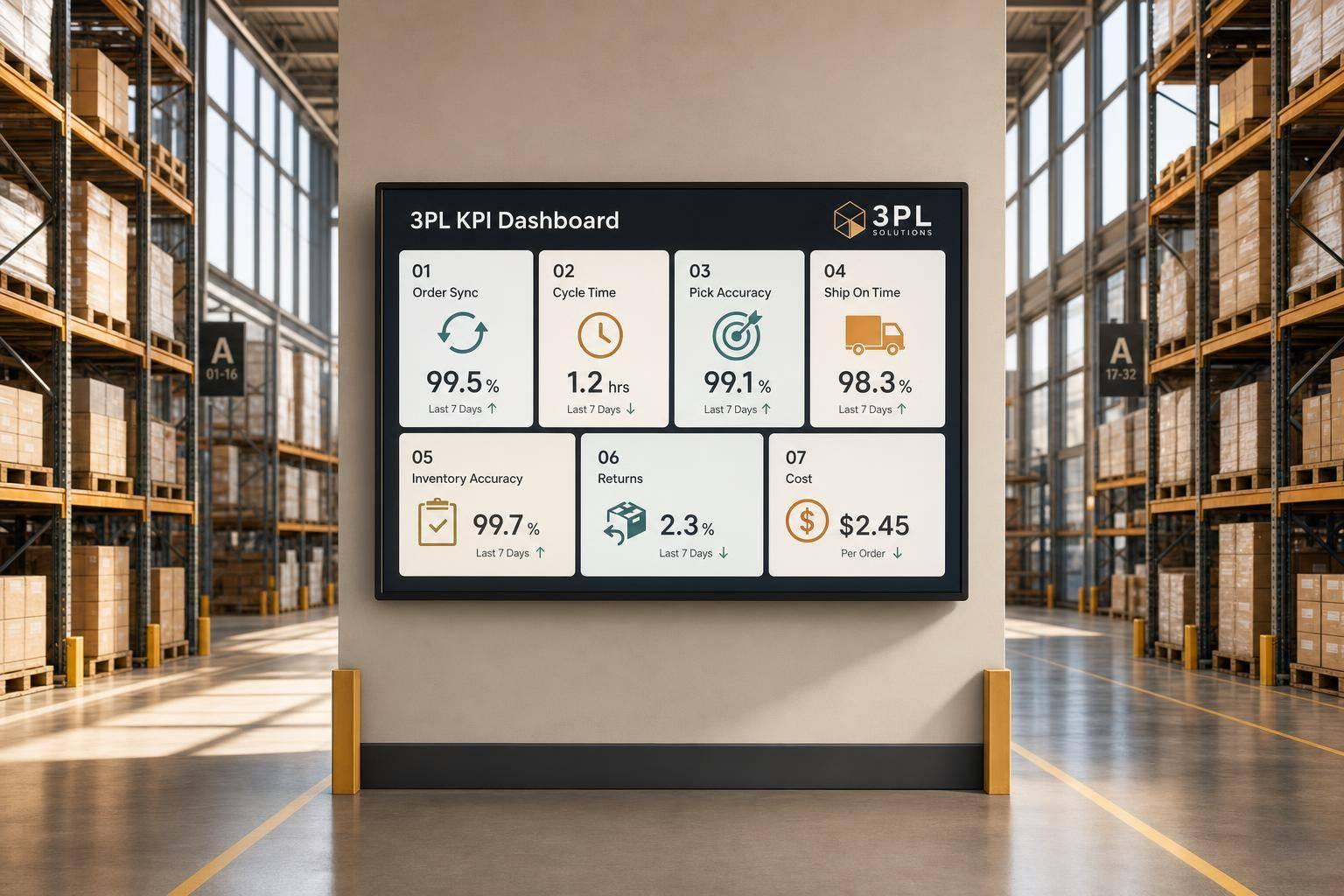
Start by monitoring SKU-level order accuracy, especially for personalized details like custom inserts or unique kitting setups. Elite operations can hit a staggering 99.9% picking accuracy. Keeping an eye on picking error rates ensures customers get exactly what they ordered.
Customer loyalty metrics are just as vital. Pay attention to reorder rates, Net Promoter Score (NPS), and Customer Lifetime Value (CLV) to assess how personalization impacts long-term customer relationships.
On the financial side, track cost per order and storage costs per SKU. This ensures the complexity of personalization doesn’t eat into your margins. Remember, fulfillment often accounts for 25% to 30% of total supply chain costs for eCommerce businesses. Also, keep tabs on return rates and analyze why products are coming back. This helps determine if personalized offerings are meeting customer expectations. Lastly, measure on-time dispatch rates and carrier performance to ensure delivery promises are consistently met.
Pair these metrics with customer feedback to gain a fuller picture of your fulfillment performance.
Using Customer Feedback
Customer feedback turns raw numbers into actionable insights. For instance, analyzing returns data can highlight patterns behind product returns, helping you refine both product development and marketing efforts. Hannah Bravo, CEO of Loop, emphasizes:
Real-time data enables brands to transform returns from a cost center into a strategic advantage.
Integrating your eCommerce ERP with tools like Klaviyo can break down data silos. This allows you to use operational data - like shipping delays or production updates - to create personalized customer communications. For made-to-order items, you could share real-time updates, such as when an engraved product enters production or even who is handling it. Stefan Vermaas, Founder of Codeture, explains:
This proactive transparency doesn't just keep customers informed - it creates delight.
Continuous Process Improvements
Use the insights gained from metrics and feedback to streamline and improve your processes further.
Automating fulfillment scorecarding can help evaluate 3PL partners and carriers against service-level agreements (SLAs). Alex Yaseen, Founder and CEO of Parabola, highlights:
I've seen brands get huge gains on the NPS scores from automating processes like fulfillment scorecarding and inventory management.
This strategy uncovers bottlenecks that might be affecting the customer experience and helps you optimize carrier allocation.
Predictive analytics can also be a game-changer. Use it to anticipate how major promotions might impact picking accuracy and processing times. The market for predictive fulfillment technology is expected to grow from $5.29 billion to over $41 billion by 2028, showing its growing importance. Additionally, linking returns to specific suppliers or product batches can help identify quality issues that could undermine your personalized offerings. Simon Wheeler, Chief Sales and Marketing Officer at J&J Global Fulfilment, sums it up well:
The goal isn't pushing for maximum speed – it's finding that sweet spot where productivity, quality, and safety work together.
Conclusion
Personalization in direct-to-consumer (DTC) fulfillment has shifted from being an added bonus to an absolute must. Brands that prioritize personalization see a 40% increase in revenue compared to those that don’t. Plus, a whopping 70% of U.S. shoppers are more likely to buy when they encounter personalized content. But here’s the kicker: 68% of DTC brands report frequent delivery delays as their biggest operational headache, making dependable and tailored fulfillment strategies essential for staying ahead.
If you’re scaling your business, take a hard look at your fulfillment processes 6–12 months before growth accelerates. Moving from $1 million to $10 million in revenue can expose cracks in systems that worked fine at lower volumes. Investing in professional warehouse management and integrating advanced technology can help you avoid these pitfalls. On average, many thriving DTC brands allocate 8% to 12% of their total revenue to fulfillment costs - something to keep in mind as you plan your next steps.
Teaming up with a third-party logistics (3PL) provider can be a game-changer. They bring advanced tech, cost-efficient solutions, and value-added services like kitting (around $1–$3 per kit) and custom packaging (ranging from $0.50–$2 per order). As Katherine Wroth from Barrett Distribution Centers puts it:
Personalization has become a key differentiator, especially for direct-to-consumer brands.
A reliable 3PL partner also offers automation, access to multiple carriers, and real-time tracking, all while keeping costs manageable as you grow.
Start by auditing your current operations and pinpointing where personalization can have the most impact. Whether it’s through custom packaging, flexible delivery options, or curated product bundles, use customer feedback and purchasing data to fine-tune your strategy.
Ultimately, the brands that succeed will strike a balance between operational efficiency and unforgettable customer experiences. By leveraging technology and forming strategic partnerships, you can scale personalization without missing a beat. For those ready to optimize their fulfillment, a partner like JIT Transportation offers nationwide 3PL solutions and advanced tools tailored to support your growth.
FAQs
What’s the easiest way to start personalizing fulfillment?
The easiest way to start tailoring fulfillment is by using product options to gather customization details straight into your order management system. This approach eliminates the need to create separate SKUs for every variation, keeping things simpler.
Teaming up with a 3PL provider, such as JIT Transportation, can make the process even smoother. They offer services like custom packaging, kitting, and assembly, while using technology to handle and scale personalized orders efficiently.
How do I scale personalization without slowing shipping?
To keep up with personalization in direct-to-consumer (DTC) fulfillment while avoiding delivery delays, flexible third-party logistics (3PL) solutions are key. Companies like JIT Transportation offer tools like advanced warehouse management systems and real-time tracking to maintain efficiency and speed.
Adding value to orders doesn’t have to slow things down either. Services such as custom packaging, kitting, and personalized inserts can elevate the customer experience while keeping delivery times on track.
Additionally, placing warehouses strategically and using data-driven optimization ensures fast shipping, even when handling personalized orders. These strategies work together to balance customization and efficiency in fulfillment.
Which KPIs prove personalized fulfillment is worth it?
Personalized fulfillment can have a powerful effect on your business, and the numbers back it up. Some of the most telling key performance indicators (KPIs) include:
- Increased Customer Loyalty and Lifetime Value: When customers feel like their experience is tailored to them, they’re more likely to stick around - and spend more over time.
- Higher Sales and Average Order Value (AOV): Personalization often encourages customers to buy more, boosting both sales and the value of each order.
- Improved Retention and Satisfaction: Happy customers are repeat customers. By meeting their unique needs, you’re not just keeping them satisfied - you’re keeping them coming back.
These results are often amplified by thoughtful touches like curated unboxing experiences and customized interactions. In short, personalization doesn’t just enhance the customer experience - it builds meaningful connections that drive engagement.
Related Blog Posts
Related Articles
7 WooCommerce 3PL KPIs Teams Track

Centralized vs Decentralized Replenishment
