
How Waste Reduction Lowers Logistics Costs
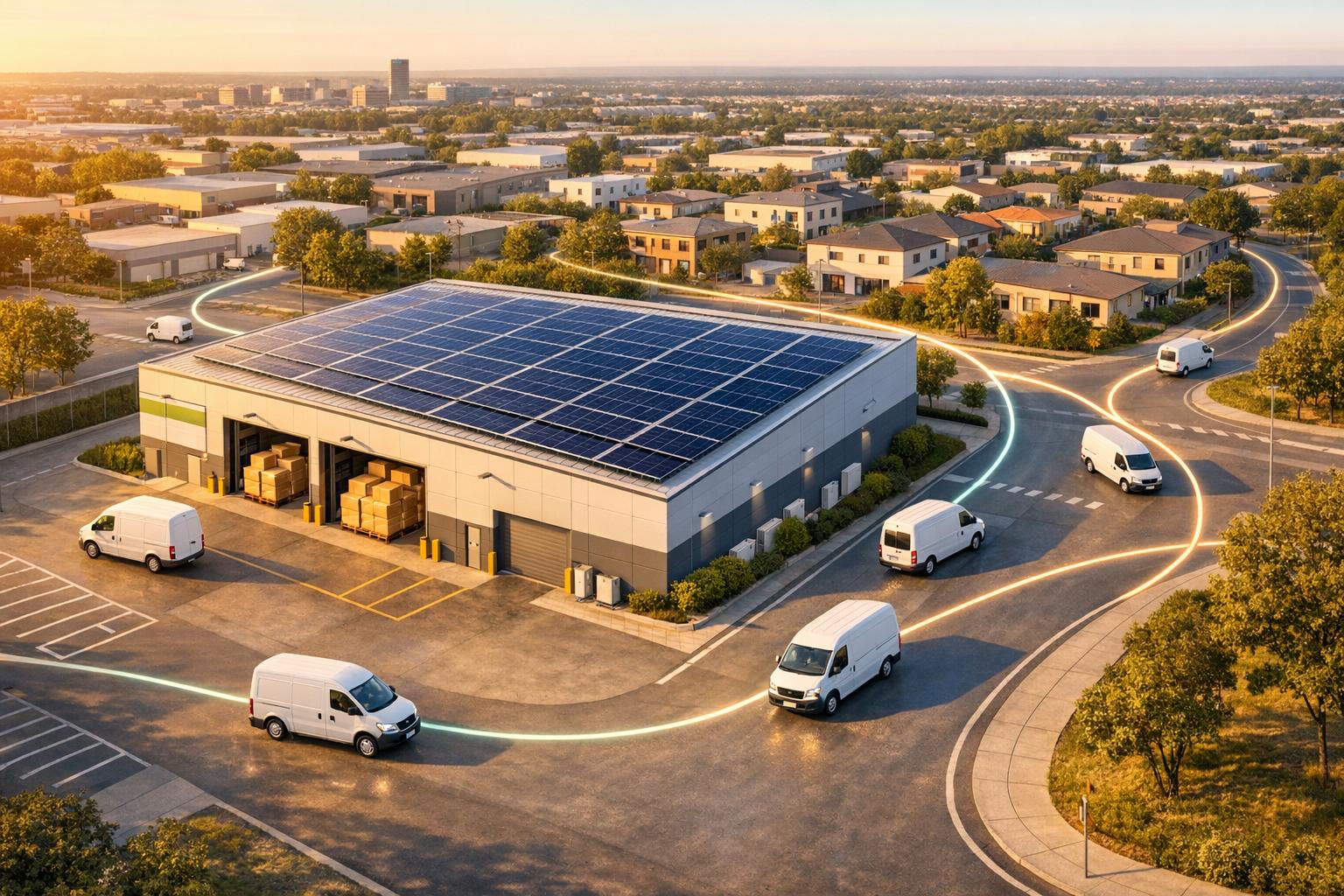
Logistics inefficiencies are costly. Oversized packaging, poor routing, and inefficient warehouse operations drive up expenses and harm customer satisfaction. By addressing these issues, businesses can save money, improve delivery times, and reduce returns.
Key Takeaways:
- Oversized Packaging: Average e-commerce packages are 50% empty, leading to higher shipping fees. Cutting box sizes by 10% can save thousands annually.
- Warehouse Inefficiencies: Manual errors and poor inventory management inflate costs. Quick processing of returns helps recover revenue.
- Last-Mile Delivery: This accounts for over 50% of logistics costs. Dynamic routing and load consolidation reduce fuel use and improve on-time deliveries.
- Reverse Logistics: A strong returns program can recover up to 12% of lost revenue and slash costs by 50%.
Actionable Strategies:
- Right-Size Packaging: Use tools to match box sizes to products, reducing dimensional weight fees.
- Optimize Routes: Implement software to adjust delivery paths in real-time, cutting idle time by 17%.
- Streamline Returns: Track and process returns quickly to retain value and improve customer loyalty.
- Energy Savings: Upgrade to LED lighting and efficient HVAC systems in warehouses.
Bottom Line: Reducing waste in logistics isn’t just about cost-cutting - it’s key to running a leaner, more efficient supply chain.

How Waste Reduction Cuts Logistics Costs: Key Statistics and Savings
Reduce Waste Generation in Logistics Operations: Sustainable Initiatives
sbb-itb-eafa320
How Waste Drives Up Logistics Costs
Logistics waste isn't just bad for the environment - it directly eats into your profits. Every oversized box, half-empty truck, or inefficient warehouse process adds up, creating costs that multiply across thousands of shipments. To tackle this, you first need to pinpoint where the waste is coming from. Here's a breakdown of how inefficiencies quietly drain your bottom line.
Oversized Packaging and Dimensional Weight Fees
Using packaging that's too large doesn't just waste materials - it can lead to hefty dimensional weight fees. Carriers don't just charge based on weight; they also charge for the space your package takes up. This is called dimensional weight (DIM) pricing, and it means you're billed for the larger of two numbers: the actual weight or the DIM weight.
The formula for DIM weight is (Length × Width × Height in inches) ÷ 139. For example, a package measuring 53 × 12 × 26 inches equals 16,536 cubic inches. Dividing that by 139 gives a DIM weight of 119 pounds, even if the contents only weigh 53 pounds. In this case, you'd be charged for 119 pounds.
Here's the kicker: The average e-commerce package is over 50% empty space. That’s money wasted. For a fulfillment center shipping 5,000 orders daily, cutting box size by just 10% could save hundreds of thousands of dollars each year. And it doesn’t stop at shipping fees - oversized boxes also mean spending more on cardboard, tape, and filler materials. Plus, incorrect box dimensions can lead to penalties ranging from 20% to 100% of the base shipping cost.
Wasteful Warehouse Operations
Warehouse inefficiencies are sneaky - they don’t always show up as a single line item but can quietly inflate costs. For example, manual data entry and reliance on spreadsheets create bottlenecks, increase errors, and slow decision-making. Poor inventory management can lead to overstocking, which drives up carrying costs, or stockouts that result in expensive emergency shipments.
Returns are another costly headache. Items sitting in limbo lose resale value, especially if they become outdated or damaged. Quick processing and refurbishment are crucial to recovering value before markdowns or demand changes kick in. As nShift puts it:
"Items sitting too long lose resale value. Quick grading and refurbishment help retailers recapture value before demand shifts or markdowns deepen."
Procurement inefficiencies add to the problem. While top-performing teams can complete a purchase order in just five hours, inefficient teams may take up to two days. On top of that, manual freight auditing can lead to billing errors as high as 15%, with overcharges and duplicate payments slipping through the cracks.
Poor Transportation Utilization
Poorly utilized trucks and inefficient routing are triple threats - they waste fuel, labor hours, and profit. Last-mile delivery alone makes up over 50% of total logistics costs, so any waste here has an outsized impact.
Partially filled trucks spread fixed costs across fewer items, while static routing ignores real-time conditions, leading to longer routes and more idle time. Trucks using dynamic rerouting based on live traffic data have shown a 17% reduction in idle time, cutting costs significantly.
The ripple effect extends to customers. Long or unclear delivery times drive shoppers away, with 14% of customers abandoning carts due to delivery delays and 23% leaving due to slow shipping speeds. Failed deliveries add even more costs, requiring re-delivery attempts that rack up fuel, labor, and processing fees. Even a 5% improvement in delivery success rates could save hundreds of thousands of dollars annually.
| Inefficiency Type | Operational Impact | Cost Driver |
|---|---|---|
| Underloaded Trucks | Poor asset utilization | Higher cost-per-unit shipped |
| Static Routing | Increased idle time | Excess fuel consumption |
| Failed Deliveries | Re-delivery attempts | Additional fuel, labor, and processing fees |
| Fragmented Deliveries | Low drop density | High last-mile expense (50%+ of total cost) |
Tackling these inefficiencies requires a focused approach to optimize every part of the logistics process. Up next, we’ll dive into actionable strategies to help reduce waste and cut costs.
Waste Reduction Strategies That Cut Costs
Cutting waste isn’t just about being environmentally conscious - it’s a smart way to save money. From shipping fees to material costs, reducing waste can improve efficiency and lower expenses without sacrificing service quality. Here’s how you can make it happen.
Right-Sizing Packaging Materials
Did you know that about 50% of e-commerce parcels are over-packaged? Right-sizing tackles this issue by matching box sizes to the actual product dimensions, slashing unnecessary empty space. This approach doesn’t just save on materials like bubble wrap - it also reduces dimensional weight charges, which can drive up shipping costs.
By minimizing empty space, businesses can fit up to 66% more boxes per shipment. This means fewer trucks on the road, cutting down on fuel, labor, and carrier fees. Plus, it’s a win for sustainability when you use recycled materials, which 91% of consumers prefer for shipping.
To get started, audit your product dimensions with tools like Cubiscan machines. Feed the data into your warehouse management system to enable algorithms that choose the smallest possible packaging for each order. Not only does this reduce costs, but it also enhances the customer experience. In fact, 72% of shoppers say packaging design influences their buying decisions, and 55% are more likely to repurchase if the packaging feels premium and well-fitted.
As Juliana Brasil from Food Huggers puts it:
"Utilizing ShipBob's network of fulfillment centers allows us to lessen our carbon footprint as well…By shortening the transit distance, we get to shorten transit time and reduce the amount of pollution produced in the shipping process."
Setting Up Reverse Logistics and Recycling Programs
Returns are a fact of life in e-commerce, but they don’t have to be a drain on your bottom line. A strong returns program can recover up to 12% of revenue, and reverse logistics can slash overall logistics costs by 50%.
Start by using centralized software to track returns from the moment they’re dropped off. Quick grading and inspection processes can determine whether items should be restocked, repaired, recycled, or disposed of. Acting quickly helps you retain more value before items become outdated.
Organize your returns strategy around the "5 R's" - Returns, Recalls, Repairs, Repackaging, and Recycling. For products that can’t be repaired, partner with certified recyclers to manage materials responsibly. This not only reduces disposal costs but also appeals to eco-conscious consumers, over half of whom are willing to pay more for sustainable shipping and packaging.
Make the process seamless for customers by offering clear return policies and prepaid labels.
Reducing Energy Use in Warehouses
Energy inefficiencies in warehouses can quietly inflate your costs. Simple upgrades like switching to LED lighting or installing energy-efficient HVAC systems can make a noticeable difference. Smart systems that adjust lighting based on occupancy or time of day are another easy way to cut energy waste.
Automating equipment to power down during idle periods and monitoring energy consumption in real time can help identify further areas for improvement. These changes not only lower utility bills but also contribute to a more sustainable operation.
Optimizing Routes and Consolidating Loads
Last-mile delivery is a major expense, accounting for over 50% of total logistics costs. Optimizing delivery routes and consolidating loads can significantly reduce these costs while improving efficiency.
Route optimization software uses algorithms to create the most efficient delivery paths by analyzing factors like driver schedules, delivery windows, and road conditions. Real-time data on traffic and weather can reduce idle time by 17% and improve on-time delivery rates by 22%. This translates to lower fuel usage, reduced labor hours, and happier customers.
Load consolidation - batching similar orders and grouping deliveries by destination - cuts down on empty miles. By spreading fixed costs over more packages, businesses can lower their per-order logistics spend. Companies using advanced Transportation Management Systems (TMS) report annual transportation savings of 5% to 10%.
A TMS also automates freight auditing, catching billing errors that manual processes often miss. This can reduce overcharges and duplicate payments by up to 15%. Monthly scorecards tracking carrier performance can further help renegotiate contracts based on real data like On-Time, In-Full (OTIF) rates and cost-per-drop metrics.
| Strategy | Primary Cost Impact | Key Benefit |
|---|---|---|
| Dynamic Rerouting | Reduced Fuel & Labor | 22% better on-time delivery |
| Load Consolidation | Lower Per-Order Spend | Fewer trips and reduced carbon output |
| TMS Automation | Reduced Administrative Waste | 15% reduction in billing errors |
| Micro-Fulfillment | Lower Last-Mile Expenses | Shorter delivery windows, less fuel |
Measuring the Cost Savings from Waste Reduction
Implementing waste reduction strategies can lead to noticeable financial benefits - if you focus on tracking the right metrics.
Savings from Packaging Optimization
Adjusting packaging sizes can significantly cut costs. Shipping carriers like FedEx and UPS base their charges on either actual weight or DIM weight (calculated as length × width × height divided by a divisor), whichever is higher. Here's the catch: they round up fractional measurements. For instance, an 11.1-inch dimension gets rounded to 12 inches, potentially bumping your shipment into a higher cost bracket or triggering surcharges.
Reducing packaging volume by just 10% can improve pallet utilization and decrease the number of truckloads needed, resulting in cost reductions of 5% to 15%. Amazon's "Ship in Own Container" (SIOC) program highlights these savings. Since 2015, the program has cut average packaging weight per shipment by 43%. Additionally, using engineered solutions like molded pulp inserts can reduce transit damage rates by up to 87%, saving the $21 average cost of handling and shipping a single returned item.
Now let’s look at how energy efficiency can further reduce costs.
Lower Utility Costs from Energy Efficiency
Upgrading warehouse energy systems is another way to save money. Switching to LED lighting, adding smart HVAC systems, and automating idle equipment to power down can significantly lower utility bills. These changes not only reduce energy use but also make operations more efficient.
These savings can be paired with reductions in fuel and transportation costs for even greater impact.
Reduced Fuel and Transportation Expenses
Cutting packaging and energy costs paves the way for further savings in transportation. Optimizing routes and consolidating loads are two effective strategies. For example, combining Less-Than-Truckload (LTL) shipments into a Full Truckload (FTL) can slash costs by about 43%, dropping rates from $0.28 per pound to $0.16 per pound.
Transportation expert Satish Jindel of ShipMatrix observes:
"Shipping costs grew 35–50% from 2020–2023 due to capacity constraints, fuel surcharges, and carrier pricing power."
Switching from air freight to ground transportation for closer zones (Zones 2–5) can reduce shipping costs by 33%. Adjusting the service mix, such as moving from 70% 2-Day Air/30% Ground ($17.80 per package) to 30% Air/70% Ground ($12.00 per package), offers substantial savings. Multi-location fulfillment strategies amplify these benefits. For instance, adding a second warehouse can lower average shipping zones and reduce blended shipping costs by 27%. On top of that, a 10% reduction in package volume can cut CO₂ emissions by 7% to 9% by reducing truckloads.
How to Implement Waste Reduction Programs
Once you've calculated the potential cost savings, it's time to take action. To start, use Value Stream Mapping (VSM) to document your current processes. This tool gives you a clear picture of your operations - like procurement, storage, and transportation - and highlights areas where waste is happening. By identifying these non-essential activities, you can zero in on the most impactful changes.
After identifying waste, technology can take your efforts further. For instance, a Transportation Management System (TMS) can centralize logistics, automate freight audits (cutting billing errors by up to 15%), and break down data silos. Pair it with an Order Management System for dynamic routing, which helps trim unnecessary mileage and fuel expenses.
Scaling Waste Reduction Programs
Your waste reduction strategies should grow alongside your business. If you're managing small order volumes, start by right-sizing packaging - match box sizes to orders to cut down on excess materials and avoid dimensional weight fees. As your orders increase, consider splitting inventory across regional warehouses. This approach reduces shipping distances, lowers fuel costs, and improves delivery times.
Take Prymal, for example. In November 2020, this e-commerce brand (founded by Courtney Lee) transitioned its fulfillment to a 3PL provider. The result? The company scaled from $40,000 to $160,000 in monthly revenue - a 300% increase - within just four months. On top of that, it saved $8,000 per month in fulfillment costs. The key to this success was tapping into infrastructure that could handle growing demand without requiring a hefty upfront investment in new facilities.
As your business scales, managing returns efficiently becomes critical. Returns make up as much as 30% of e-commerce volume, and handling them well can recover up to 12% of revenue. Plus, 84% of customers say they won't shop with a company again after a poor returns experience. A strong reverse logistics system not only recovers value but also safeguards customer loyalty.
Working with 3PL Providers for Better Results
When your waste reduction efforts expand, partnering with a third-party logistics (3PL) provider can give you a competitive edge. Experienced 3PLs come with ready-to-use infrastructure, bulk shipping discounts, and advanced tools like RFID and AI. This allows you to skip the high costs of building in-house systems. Outsourcing logistics makes financial sense when your in-house costs exceed 10% to 15% of your net revenue.
Take JIT Transportation as an example. They offer a wide range of services, including distribution, returns management, and ERP integration. Their nationwide warehouse network ensures inventory stays closer to your customers, cutting down on last-mile delivery expenses, which account for over 50% of logistics costs. They also provide value-added services like pick & pack and kitting & assembly, which help reduce packaging waste while keeping operations flexible. These strategies not only lower costs but also align with sustainability goals - a priority for today's e-commerce businesses.
"Logistics optimization isn't a one-time project. It requires continuous auditing, iterative upgrades, and data-driven refinement." - Akhil Yadav, Sr. Product Manager
To make the most of your 3PL partnership, structure contracts around performance metrics like On-Time In-Full (OTIF), cost-per-order, and damage rates. Regularly review these metrics using operational dashboards to ensure your partner meets Service Level Agreements (SLAs). Monthly audits help identify weak links and keep waste reduction an ongoing, adaptable process as your business evolves.
Conclusion
Reducing waste in logistics isn’t just a nice-to-have - it’s a smart way to cut costs and improve efficiency. By adjusting packaging sizes, you can avoid dimensional weight fees and save on materials. Optimizing delivery routes can reduce idle time by up to 17%, while improving reverse logistics could help recover as much as 12% of revenue lost to returns. These changes don’t just trim the fat; they turn logistics into a competitive edge.
The financial benefits don’t stop there. Dynamic routing, for example, consolidates shipments, making the most of vehicle capacity and cutting down on unnecessary trips. Since last-mile delivery makes up over 50% of total logistics costs, even small improvements in this area can lead to big savings. And by reducing packaging volume by just 10%, you can improve pallet utilization and cut truckloads by 5% to 15%.
To scale these efforts, you need the right tools and partnerships. A strong 3PL partner can provide advanced technology and a nationwide warehouse network without requiring huge upfront investments. For instance, JIT Transportation offers logistics solutions with strategically located warehouses, bringing inventory closer to customers, cutting last-mile costs, and speeding up delivery times.
Keep in mind, waste reduction isn’t a one-and-done task - it’s an ongoing effort. Regularly review your operations, track key metrics like cost-per-order and on-time in-full (OTIF) rates, and tweak your strategies as your business evolves. Businesses that continually refine their logistics processes are the ones that stay ahead of rising costs and shifting customer expectations. This commitment to improvement is what builds a truly efficient and profitable supply chain.
Looking to make your logistics leaner and more effective? Partner with JIT Transportation and take the next step toward a more efficient supply chain.
FAQs
How do I find which shipments get hit with DIM weight charges?
To figure out if your shipments will incur DIM weight charges, you need to calculate the dimensional weight of your packages and compare it to their actual weight. Carriers will bill you based on whichever is greater.
Here’s the formula:
DIM Weight = (Length × Width × Height) ÷ DIM Divisor
Simply measure your package’s dimensions, multiply them together, and then divide by the carrier's DIM divisor (commonly 139 or 166). Once you have the result, compare it to the package's actual weight to see which one applies.
What logistics KPIs should I track to prove waste-reduction savings?
Keeping an eye on certain logistics KPIs can help you measure performance and identify opportunities for improvement. Some of the most important metrics include:
- Transportation Costs: Track how much you're spending on moving goods. This can highlight areas where you might reduce expenses or improve efficiency.
- Inventory Levels: Monitoring stock levels ensures you’re not overstocking or understocking, both of which can affect cash flow and customer satisfaction.
- Order Accuracy: Measure how often orders are fulfilled correctly. High accuracy rates lead to happier customers and fewer returns.
- Return Rates: Keep tabs on how often products are sent back. A high return rate might signal quality control issues or inaccurate product descriptions.
- Delivery Times: Evaluate how quickly orders reach customers. Faster, on-time deliveries can boost customer loyalty and satisfaction.
These KPIs not only provide insight into operational efficiency but also help identify waste and cost-saving opportunities, giving you a clearer picture of how your efforts are performing.
When does it make sense to use a 3PL like JIT Transportation?
Using a 3PL service like JIT Transportation can be a game-changer for businesses looking to streamline operations, lower logistics expenses, or adopt greener practices. It’s particularly effective for tasks like optimizing delivery routes, combining shipments, or expanding operations without the need for significant infrastructure investment. JIT offers flexible solutions - such as distribution, fulfillment, and additional value-added services - that adapt to changing order volumes. These services not only help minimize waste but also promote eco-conscious efforts through smarter packaging and efficient route planning.
Related Blog Posts
Related Articles
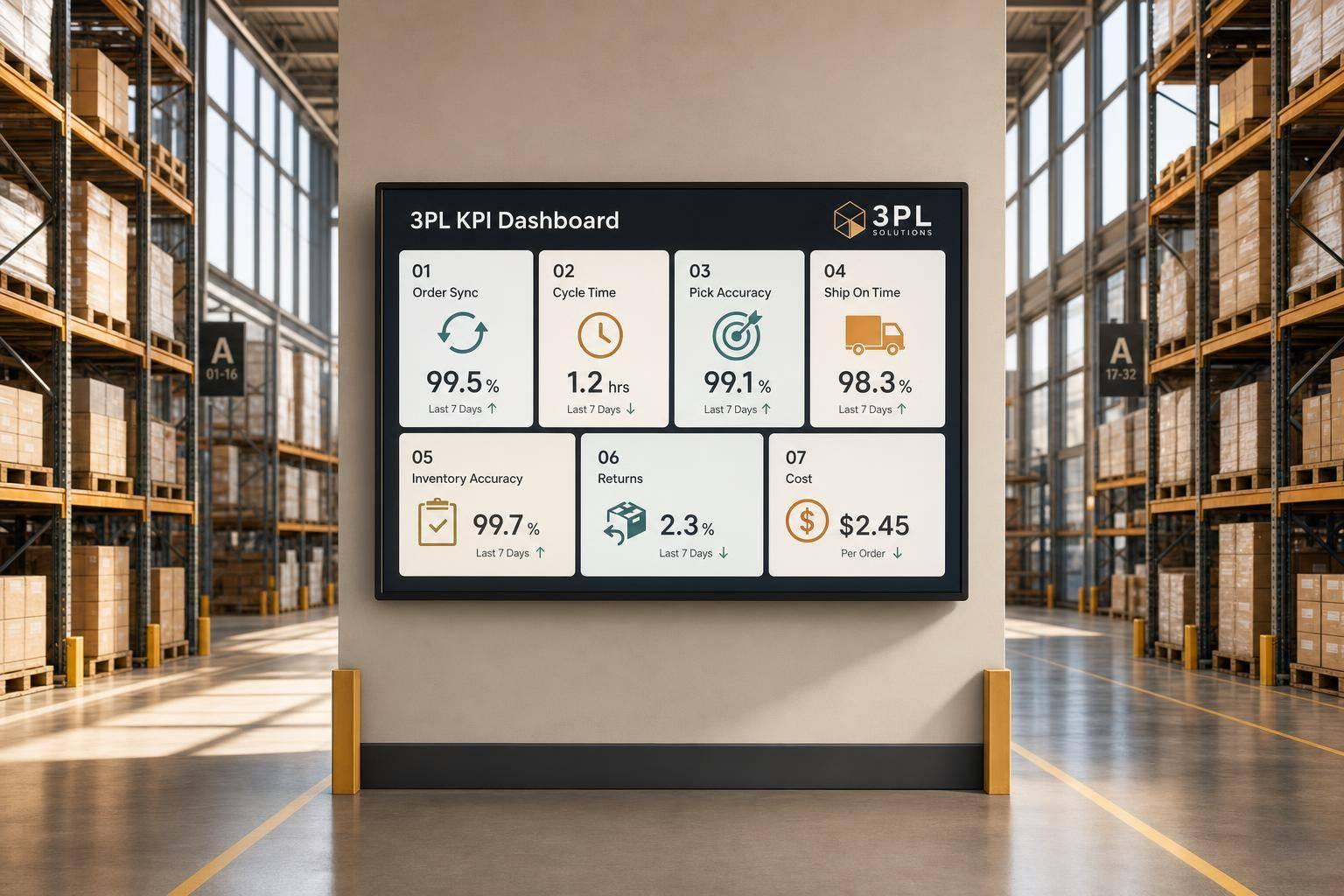
7 WooCommerce 3PL KPIs Teams Track

Centralized vs Decentralized Replenishment
