
How 3PLs Reduce Carbon Footprints in E-Commerce

E-commerce is convenient but comes with a hidden cost: high carbon emissions. Freight transportation alone contributes 8–11% of global greenhouse gases, and air freight emits 8x more CO₂ than road transport. As online shopping grows, brands face pressure from eco-conscious consumers and regulations to adopt greener logistics.
Third-party logistics (3PL) providers offer solutions to cut emissions while improving efficiency. Key strategies include:
- Route Optimization: AI-powered tools reduce delivery distances and fuel use by up to 20%.
- Green Transportation: Electric vehicles, biofuels, and shipment consolidation lower emissions.
- Energy-Efficient Warehousing: LED lighting, renewable energy, and smart HVAC systems cut energy use.
- Eco-Friendly Packaging: Right-sized, biodegradable packaging reduces waste and shipping weight.
- Emissions Monitoring: IoT devices and dashboards track and optimize energy, fuel, and emissions data.
How to Make Your eCommerce Fulfillment Process More Sustainable - Michelle Harris, Our Serviceworks
Route Optimization and Green Transportation Methods
Transportation remains a major contributor to carbon emissions in e-commerce. To tackle this, third-party logistics providers (3PLs) are adopting smarter strategies like route optimization, shipment consolidation, and eco-friendly vehicles.
AI and Data-Driven Route Planning
Modern 3PLs rely on AI and machine learning to create fuel-efficient delivery routes. These systems analyze factors such as delivery density, costs, weather patterns, and real-time traffic, continuously improving over time by learning from historical data.
For example, one 3PL revamped its distribution network using machine learning tools, cutting average delivery distances by 18% and reducing transportation emissions by 15% within 18 months. Industry data suggests that well-executed route optimization can lower emissions by 10–20%.
This goes beyond basic GPS navigation. Carrier-agnostic platforms assess the most efficient shipping methods for each delivery stage, ensuring environmentally conscious decisions at every step. E-commerce brands should work closely with their 3PL partners to understand the carbon impact of their operations and how technology is being used to minimize fuel consumption.
Optimized routes are just the first step. Shipment consolidation and multi-modal transport take emission reductions even further.
Consolidated Shipments and Multi-Modal Transport
Shipment consolidation reduces waste by combining packages from different origins into single deliveries, especially for last-mile logistics. By maximizing truck capacity, this approach minimizes "empty miles", a common source of inefficiency.
In 2023, a 3PL implemented a consolidation program that aligned supplier delivery schedules, boosting container utilization to 85%. This not only reduced emissions but also lowered costs. Achieving such efficiencies often requires advanced inventory management systems that track stock across multiple fulfillment centers in real time.
Multi-modal transportation takes it a step further by using a combination of trucks, trains, and ships for different legs of the journey. Rail transport, for instance, emits far less per ton-mile compared to trucking, making it a smart option for long-distance hauls, while trucks handle the final leg to customers. Though coordinating across multiple transport modes can be complex, integrated inventory and order management systems help streamline these operations. Additionally, some providers encourage customers to opt for consolidated or slower shipping options, promoting sustainability while educating shoppers on its benefits.
Strategically placed fulfillment centers amplify these efforts. By positioning warehouses closer to customers, 3PLs can significantly reduce delivery distances and associated emissions. Machine learning plays a key role here, identifying optimal hub locations based on factors like delivery density and geographic coverage.
These strategies set the stage for even cleaner delivery methods through green fleet deployment.
Green Fleet Deployment
The choice of delivery vehicles is critical in reducing transportation emissions. Electric vehicles (EVs) and hybrid trucks are increasingly being used for last-mile deliveries, particularly in urban areas where short routes and frequent stops make them an ideal fit. Many 3PLs have already started deploying EVs in cities.
The environmental impact of switching to cleaner vehicle technologies is significant. Some 3PLs are also exploring drones and autonomous vehicles to further cut fuel usage. For long-haul trucking, alternative fuels like biofuels provide another path to lower emissions. The key is matching the right technology to the right task - EVs for urban routes and biofuel or hybrid systems for regional deliveries.
E-commerce businesses should actively discuss eco-friendly transportation options with their logistics partners. Ask about fleet composition, including the percentage of electric or alternative fuel vehicles used for last-mile deliveries, and inquire about upcoming green initiatives.
Tracking metrics like fuel consumption, miles traveled per delivery, and carbon emissions per order is becoming increasingly important, especially with regulatory requirements like the SEC's proposed climate risk disclosures on the horizon.
JIT Transportation exemplifies this approach by leveraging a nationwide network and advanced technology to create efficient, low-emission supply chains. Their distributed fulfillment centers help shorten delivery distances, reducing transportation emissions per order.
Warehouse Practices That Reduce Emissions
When it comes to reducing carbon emissions, transportation often grabs the spotlight. But warehouse operations hold plenty of potential for cutting emissions too. Fulfillment centers consume significant energy for lighting, climate control, and material handling. By making targeted upgrades, 3PL providers can not only lower emissions but also save on operational costs. These foundational steps pave the way for more advanced systems down the line.
Energy-Efficient Facility Design
A low-carbon warehouse starts with smart energy use in its core operations. One major shift has been the adoption of LED lighting, which uses much less electricity and lasts far longer than traditional fluorescent or incandescent bulbs. Many warehouses are also taking advantage of natural light by adding skylights and strategically placed windows, reducing the need for artificial lighting during daylight hours. Together, LEDs and natural light significantly reduce energy consumption.
Renewable energy is another game-changer. Solar panels are a popular choice for warehouses, thanks to their large, flat roofs that are perfect for generating clean energy. In areas with steady wind patterns, wind turbines are another option, and some facilities are even exploring geothermal systems for heating and cooling. The best renewable energy solution depends on factors like location, available funding, roof space, and local incentives. Some warehouses combine multiple renewable energy sources to maximize efficiency and minimize their carbon footprint. Paired with green transportation strategies, energy-efficient warehouse designs create a well-rounded approach to sustainability.
Smart HVAC Systems and Energy Monitoring
Heating and cooling are among the biggest energy expenses in warehouse operations. Traditional HVAC systems often waste energy by over-conditioning spaces or failing to adapt to real-time needs. Smart HVAC systems, on the other hand, use sensors and automated controls to adjust temperature settings dynamically based on occupancy, weather, and internal conditions. This smarter approach helps cut energy use while supporting broader emission-reduction goals tied to green transportation and routing.
Many of these systems integrate with building management software, which uses machine learning to analyze historical data and predict energy demand. IoT-based monitoring tracks energy usage across departments, enabling quick fixes when inefficiencies arise. Data from these systems feeds into sustainability dashboards, providing a clear picture of progress toward environmental goals and ensuring every kilowatt-hour is used wisely.
Waste Management and Recycling Programs
Effective waste management not only reduces landfill contributions but also supports a circular supply chain. Recycling programs play a big role by diverting materials like cardboard, plastic films, pallets, shrink wrap, and metals from landfills, cutting methane emissions from decomposition.
Wooden pallets, for example, can often be refurbished and reused multiple times or recycled when they’re no longer viable. Advanced programs may also include take-back systems for damaged or returned products, reducing the need for new materials and lowering the carbon footprint of manufacturing.
Water management is another area where warehouses can make a difference. Treating and reusing wastewater reduces overall water consumption and minimizes the environmental impact of water processing and distribution. Many of these waste and water initiatives also save money by lowering disposal fees and recovering value from recyclable materials, making them both eco-friendly and cost-effective.
For e-commerce brands evaluating 3PL providers, it’s worth asking about waste diversion rates, the types of waste streams managed, and whether they offer take-back or returns management programs. These details can help ensure the provider aligns with your sustainability goals.
JIT Transportation incorporates these sustainable practices to shrink its carbon footprint while improving operational efficiency.
Eco-Friendly Packaging and Inventory Management
In addition to eco-friendly transportation and streamlined warehousing, smart packaging choices and precise inventory management play a key role in reducing the environmental impact of supply chain operations.
Packaging and inventory strategies directly influence material use and transportation emissions. By choosing efficient packaging solutions and managing inventory carefully, businesses can cut down on waste, avoid overstocking, and reduce the need for returns - all of which carry hidden environmental costs.
Right-Sized and Biodegradable Packaging
One of the easiest ways to cut down on packaging waste is by using the smallest possible box or mailer for each order. Oversized packaging doesn’t just waste materials - it also adds unnecessary weight and bulk to shipments, which increases fuel consumption during transit. When 3PLs (third-party logistics providers) optimize package sizes, they make truckloads more efficient and reduce emissions per delivery.
Many 3PLs are also adopting recyclable and biodegradable materials as their go-to packaging option. This shift includes not just traditional cardboard boxes but also compostable mailers, biodegradable void fillers, and materials designed to break down naturally instead of lingering in landfills for years. Customizable packaging solutions take this a step further by eliminating excess material while still protecting items during transit. This approach reduces shipping weight and lowers the carbon footprint of each delivery.
Another innovation is digital labeling, which replaces traditional printed labels. By going digital, 3PLs cut down on paper waste and conserve resources used in label production.
But packaging is only part of the equation. On the back end, advanced inventory systems are just as critical for keeping operations sustainable.
Inventory Forecasting and Returns Reduction
Excess inventory comes with hidden environmental costs. Storing too much stock requires more energy, increases the risk of products becoming obsolete, and often leads to inefficient, last-minute shipments between locations. Advanced AI-driven forecasting systems help 3PLs predict demand accurately, ensuring just the right amount of inventory is distributed across fulfillment centers. This reduces energy use in warehouses and cuts down on unnecessary transportation.
Returns are another major source of emissions in e-commerce. Each return adds extra transportation and handling, and in some cases, returned items are discarded instead of resold. To tackle this, comprehensive returns management systems help 3PLs recover value from returned goods while minimizing waste. Better product descriptions, improved quality control, and clear communication with customers also help reduce return rates at the source.
For unavoidable returns, advanced systems ensure that products are restocked, refurbished, or recycled instead of being sent to landfills. Some providers even offer incentives for slower shipping methods or consolidated deliveries, which not only improve customer satisfaction but also reduce returns. Efficient inventory forecasting also prevents excess stock from tying up capital and reduces the need for clearance markdowns. A McKinsey study found that 66% of consumers consider sustainability when making purchasing decisions, showing that eco-friendly inventory practices can also give brands a competitive edge. Poor forecasting, on the other hand, leads to unnecessary waste in materials and transportation, further driving up emissions.
Beyond physical waste, digital solutions are helping streamline operations and cut down on paper use in fulfillment centers.
Paperless Operations in Fulfillment
Fulfillment centers generate a surprising amount of paper waste, from packing lists and invoices to return labels and work instructions. By transitioning to digital systems, 3PLs not only reduce waste but also improve efficiency. For example, packing lists can be eliminated for certain orders or sent electronically when needed. Similarly, digital invoices, receipts, and return labels replace paper versions, cutting down on waste while speeding up operations.
Advanced technology platforms take these paperless workflows even further by integrating systems like point-of-sale, automated billing, and payment processing with inventory and shipping management. This shift reduces the carbon footprint tied to paper production, printing, and disposal. It also enhances order accuracy and speeds up fulfillment processes, creating a win-win for both the environment and operational efficiency.
For e-commerce brands evaluating 3PL providers, asking about their digital workflows and paper reduction initiatives can reveal how committed they are to sustainability and streamlined operations.
JIT Transportation incorporates these sustainable packaging and inventory management practices to cut waste and reduce emissions across its fulfillment network.
sbb-itb-eafa320
Technology and Emissions Monitoring
Lowering emissions starts with understanding performance and refining strategies. Leading 3PL providers rely on advanced technology to monitor their carbon footprint, tracking everything from fuel use on delivery routes to electricity consumption in warehouses. By turning sustainability into a measurable goal, these providers bridge operational efficiency with environmentally conscious practices.
Tools like Transportation Management Systems (TMS), Warehouse Management Systems (WMS), IoT sensors, telematics, and AI-powered analytics gather detailed data on fuel consumption, vehicle usage, route efficiency, and energy use in facilities. These systems convert raw data into CO₂ equivalents, enabling precise decision-making to reduce environmental impact - even down to individual orders. Let’s take a closer look at how IoT, dashboards, and automation contribute to improving emissions performance.
IoT and Real-Time Monitoring
IoT devices play a key role in tracking and optimizing environmental performance in real time. For vehicles, telematics systems capture data on fuel consumption, idle times, speed, acceleration, braking, and location. This information is sent to cloud platforms that calculate fuel efficiency and CO₂ emissions by trip, driver, or customer. Analytics flag inefficient routes, enabling adjustments that can cut fuel use by 10–20%. Alerts also notify operators when vehicles deviate from planned routes or exceed speed limits, prompting quick interventions to reduce fuel consumption. For refrigerated transport, IoT temperature sensors help fine-tune settings and minimize door-open times, reducing energy use and preventing product spoilage.
In warehouses, IoT sensors track electricity usage, lighting, HVAC performance, occupancy, temperature, humidity, and equipment runtime across different zones. Smart meters break down energy consumption by function - such as picking, packing, or conveyor operations - helping operators identify high-energy activities. This data feeds into building management systems, which adjust lighting and HVAC settings automatically based on occupancy and time of day. For example, U.S. 3PLs that upgraded from traditional lighting to sensor-controlled LEDs have reported energy savings of 30–50%, significantly lowering emissions tied to electricity use. These improvements are tracked at both the facility and client levels, providing e-commerce brands with detailed insights into emissions reductions at specific fulfillment centers.
All this real-time data is consolidated into dashboards, turning raw numbers into actionable insights.
Sustainability Dashboards and Analytics
Sustainability dashboards serve as the central hub for tracking emissions, offering both real-time and historical views of environmental metrics. Integrated into TMS and WMS platforms, these dashboards display data such as total CO₂ emissions, emissions per order, energy use per square foot, and landfill diversion rates. For transportation, they combine data from different systems to provide a detailed breakdown of emissions by mode (air, ocean, truckload, less-than-truckload, parcel), lane, and carrier. For instance, air freight generates eight times more CO₂ than ground freight and 47 times more than cargo ships for the same load over the same distance. With this level of detail, brands can make smarter choices about balancing delivery speed with environmental impact.
In warehouses, dashboards track trends in energy and gas consumption, renewable energy contributions, and recycling rates. These metrics are often normalized by order volume, showing efficiency improvements even as sales grow. E-commerce companies use these tools to measure progress toward goals like cutting logistics-related CO₂ emissions per order by 25% by 2030. Dashboards also support ESG reporting and help brands meet public sustainability commitments. Additionally, scenario modeling features let businesses explore how strategies like redistributing inventory or opting for slower shipping methods might impact costs, delivery times, and emissions. By consolidating shipment, fuel, and energy data into standardized emissions inventories aligned with frameworks like the GHG Protocol, these platforms ensure compliance with emerging regulations.
Automation and Demand Forecasting
Automation doesn't just streamline operations - it also reduces emissions. In warehouses, robotics, automated storage and retrieval systems (AS/RS), and smart conveyors minimize travel distances, maximize storage density, and limit equipment runtime. These efficiencies lower energy consumption for material handling and reduce the need for additional warehouse space, cutting down on lighting and HVAC demands. Intelligent controls further optimize energy use by powering down equipment like conveyors when not in use. Vertical storage solutions enabled by robotics also eliminate the need for new construction, avoiding the embodied carbon associated with building expansions. When combined with energy-efficient motors and regenerative drives, these systems significantly reduce energy use per order - especially during peak periods like Black Friday.
Accurate demand forecasting adds another layer of efficiency. By analyzing factors such as order history, seasonality, promotions, and even weather patterns, AI-driven tools predict demand for specific products across channels and locations. This allows 3PLs to position inventory strategically in U.S. fulfillment centers, ensuring most orders ship via ground rather than air - a choice that dramatically lowers emissions. Improved forecasts also reduce the need for last-minute, expedited shipments, which often rely on higher-emission air freight or partially loaded trucks. Over time, as forecasting models improve, they help minimize excess inventory, rush shipments, and waste from unsold products.
JIT Transportation integrates these advanced monitoring tools and analytics across its network, giving clients a clear view of emissions performance while driving continuous improvements in sustainability.
How E-Commerce Brands Can Adopt Green 3PL Practices
Reducing your carbon footprint in e-commerce logistics calls for a thorough assessment of your current practices, setting clear goals, and implementing thoughtful changes. Tackling sustainability strategically - rather than through scattered efforts - can lead to meaningful results. Here's how brands can embrace green 3PL (third-party logistics) practices to make a real impact.
Conducting Sustainability Audits
The first step is understanding your logistics-related carbon footprint. A sustainability audit helps pinpoint where fuel, energy, and packaging materials are being consumed the most, offering insights into areas for improvement.
Start by gathering baseline data, such as:
- Annual transportation emissions by mode (air freight, ground parcel, less-than-truckload, full truckload, and ocean freight)
- Average shipment distances
- Warehouse energy usage in kilowatt-hours
- Packaging weight per order
- Return rates
This data can be sourced from carrier invoices, 3PL reports, utility bills, and your order management system. Once collected, segment the findings into key areas - transportation, warehousing, and packaging. Rank opportunities based on carbon impact, cost, and ease of implementation. Using standard emissions factors to quantify CO₂ equivalents can help you zero in on the areas with the biggest potential for improvement, like optimizing shipment modes or reducing packaging waste.
Setting Clear Sustainability Goals
After completing the audit, the next step is to turn your findings into actionable, measurable goals. These goals should align with your baseline data and be tied to specific performance indicators and timelines.
For example, you might aim to cut CO₂ emissions per order by 25% by 2027 or shift 80% of domestic deliveries to ground shipping while maintaining 95% on-time delivery rates. Breaking these larger goals into smaller milestones - such as quarterly or annual targets - makes tracking progress easier and allows for adjustments along the way.
Business realities must also be factored in. For instance, if customers expect two-day delivery in major cities, eliminating expedited shipping entirely might not be an option. Instead, consider optimizing inventory placement across multiple fulfillment centers to reduce reliance on air freight while still meeting delivery expectations. Incorporate these goals into 3PL contracts or service-level agreements to ensure accountability and steady progress.
Partnering with Green-Focused 3PL Providers
Once you’ve assessed your logistics impact and set clear objectives, the next step is collaborating with a 3PL partner that shares your sustainability values.
Look for providers with:
- Advanced route-optimization capabilities
- Multimodal transport options (e.g., combining truck, rail, and ocean shipping to reduce air freight)
- Energy-efficient facilities featuring LED lighting and smart HVAC systems
- Eco-friendly packaging solutions
- Carrier-agnostic platforms that prioritize fuel-efficient shipping options
A strong nationwide network is also a key asset. By strategically placing fulfillment centers near customer hubs, 3PLs can reduce shipping distances, prioritize ground shipping, and cut last-mile emissions - all while maintaining quick delivery times. Additionally, advanced technology for demand forecasting, inventory visibility, and order management can help minimize waste, prevent rush orders, and reduce return rates.
Ask potential partners for references, sample sustainability dashboards, and details on how they track emissions and costs. A reliable green 3PL should provide transparency into metrics like CO₂ per order, truck fill rates, facility energy usage, and packaging efficiency.
Value-added services can also support your sustainability goals. Services like kitting, assembly, testing, and white-glove handling reduce product damage, leading to fewer returns. Enhanced returns management - through repair, refurbishment, or resale - keeps products out of landfills and extends their lifecycle.
Take JIT Transportation, for example. Their nationwide network, advanced tech platform, and value-added services (like pick & pack, kitting, and white-glove handling) help brands optimize shipping methods, consolidate orders, and reduce damage-related returns. With strategically located warehouses and paperless workflows, they align logistics operations with sustainability targets.
Implementing a Phased Transition
Adopting green practices doesn’t happen overnight. A phased approach can make the transition more manageable:
- First 12 months: Start with low-risk, high-impact changes such as route optimization, better cartonization to reduce void fill, paperless documentation, and shifting some shipments from air to ground.
- 12–24 months: Introduce distributed inventory strategies, explore multimodal transport options (e.g., combining truck and rail), and improve demand forecasting to lower rush orders and returns.
- Beyond 24 months: Invest in larger initiatives like renewable energy for warehouses, electric vehicle fleets in urban areas, or carbon-offset programs integrated into checkout.
Regularly review performance metrics after each phase to refine your strategy based on data and customer feedback.
Engaging Customers in Sustainability
Once your logistics operations are more eco-friendly, involve your customers in the process. Offer options like consolidated shipping, where multiple orders are combined into fewer deliveries, or slower, eco-friendly shipping choices with incentives like discounts or free standard shipping. Clearly communicate the environmental benefits of these options at checkout.
Some brands even include optional carbon-offset contributions, where customers can pay a small fee to support climate projects. This level of transparency not only builds trust but also strengthens your commitment to sustainability.
To maintain momentum, establish a regular review process with your 3PL partner. Quarterly business reviews focusing on metrics like CO₂ per order, mode mix, and packaging efficiency can ensure your strategy stays on track and evolves as needed.
Conclusion
Cutting carbon emissions in e-commerce logistics doesn't just benefit the planet - it also reduces costs, strengthens customer trust, and ensures long-term business viability. Third-party logistics (3PL) providers play a crucial role in this process, offering expertise, advanced tools, and scalable infrastructure that many brands can't develop independently.
These improvements lead to real, measurable savings. The journey to greener logistics focuses on several core areas. Route optimization and smarter transportation reduce fuel consumption by using AI-driven planning, consolidated shipments, and more efficient transport modes when timelines allow. Sustainable warehousing lowers energy use with features like LED lighting and smart HVAC systems. Eco-friendly packaging and better inventory management cut waste by using right-sized, recyclable materials and improving demand forecasting to avoid overstock and returns. Digitalization and automation eliminate paper waste and reduce errors with IoT monitoring and AI-powered forecasting. Strategic network design places inventory closer to customers, shortening last-mile delivery and cutting emissions.
These green initiatives also enhance operational efficiency. Smarter routing reduces fuel costs and delivery times, better forecasting limits excess inventory and last-minute shipments, and consolidated shipping improves container utilization. For example, one 3PL achieved 85% container utilization through optimized schedules and consolidated shipments, significantly cutting trips and emissions.
The business case for partnering with a sustainability-focused 3PL is strong. Brands can lower expenses, improve service quality with advanced routing and multi-node fulfillment, and boost their reputation as consumers increasingly favor eco-conscious companies. Working with a 3PL also helps mitigate regulatory risks and provides access to cutting-edge technology and expertise that might otherwise be too costly to develop in-house.
For businesses in the U.S., nationwide networks offer particular value. Providers like JIT Transportation combine distributed fulfillment centers with advanced technology to reduce empty miles, optimize lane use, and integrate services like kitting and returns handling. This approach streamlines supply chain operations and minimizes waste.
Automation and accurate forecasting further reduce unnecessary miles and excess stock. IoT and telematics provide real-time tracking to enhance energy management, while sustainability dashboards allow brands to measure metrics like CO₂e per package, energy savings from facility upgrades, and reductions in packaging materials. These tools make it easier to set goals and track progress.
Now is the time to act. Start by conducting a sustainability audit of your logistics operations - from transportation and warehousing to packaging - to identify major emission sources. Discuss sustainability initiatives with your current 3PL partner or include green criteria in your next RFP, focusing on data transparency and emissions reporting. By choosing the right 3PL, every order becomes an opportunity to reduce emissions and cut costs.
FAQs
How can e-commerce businesses evaluate the environmental impact of their logistics operations?
When looking to understand the environmental impact of your logistics operations, start by examining critical areas like fuel usage, delivery routes, packaging choices, and warehouse energy consumption. These elements often reveal opportunities to cut emissions. For example, you could reduce mileage by optimizing delivery routes or shift to using eco-conscious packaging materials.
Another impactful step is collaborating with a 3PL provider that emphasizes sustainability. Take JIT Transportation, for example - they use advanced route optimization and energy-efficient practices to lower carbon emissions. Partnering with such providers can help your business move toward more environmentally friendly logistics solutions.
How can 3PL providers help reduce carbon emissions in last-mile delivery?
3PL providers are making a noticeable difference in cutting carbon emissions during last-mile delivery by implementing a variety of smart strategies. They’re focusing on optimizing delivery routes, which helps reduce travel distances and fuel consumption. Many are also turning to eco-friendly vehicles, such as electric or hybrid trucks, to lessen their environmental impact. Another effective approach is shipment consolidation, which ensures fewer trips by maximizing load efficiency.
On top of that, advanced tools like real-time tracking and route planning software are helping streamline delivery operations. Practices like minimizing idle time and avoiding unnecessary trips further contribute to reducing emissions. These efforts not only align with environmental goals but also make deliveries more efficient overall.
How do IoT devices and real-time tracking help lower carbon emissions in e-commerce logistics?
IoT devices and real-time tracking are transforming e-commerce logistics by making operations more efficient and reducing carbon emissions. These tools offer precise, up-to-the-minute data on delivery schedules, vehicle performance, and route conditions, allowing 3PL providers to fine-tune transportation processes and cut down on unnecessary fuel use.
With real-time tracking, logistics companies can consolidate shipments, steer clear of empty miles, and reroute deliveries to bypass traffic or unexpected delays. This not only saves time but also significantly lowers emissions. On top of that, IoT-enabled systems monitor vehicle performance, ensuring they run efficiently and avoid wasting fuel, which also reduces maintenance-related emissions. Together, these measures create a cleaner, more eco-friendly supply chain.
Related Blog Posts
Related Articles
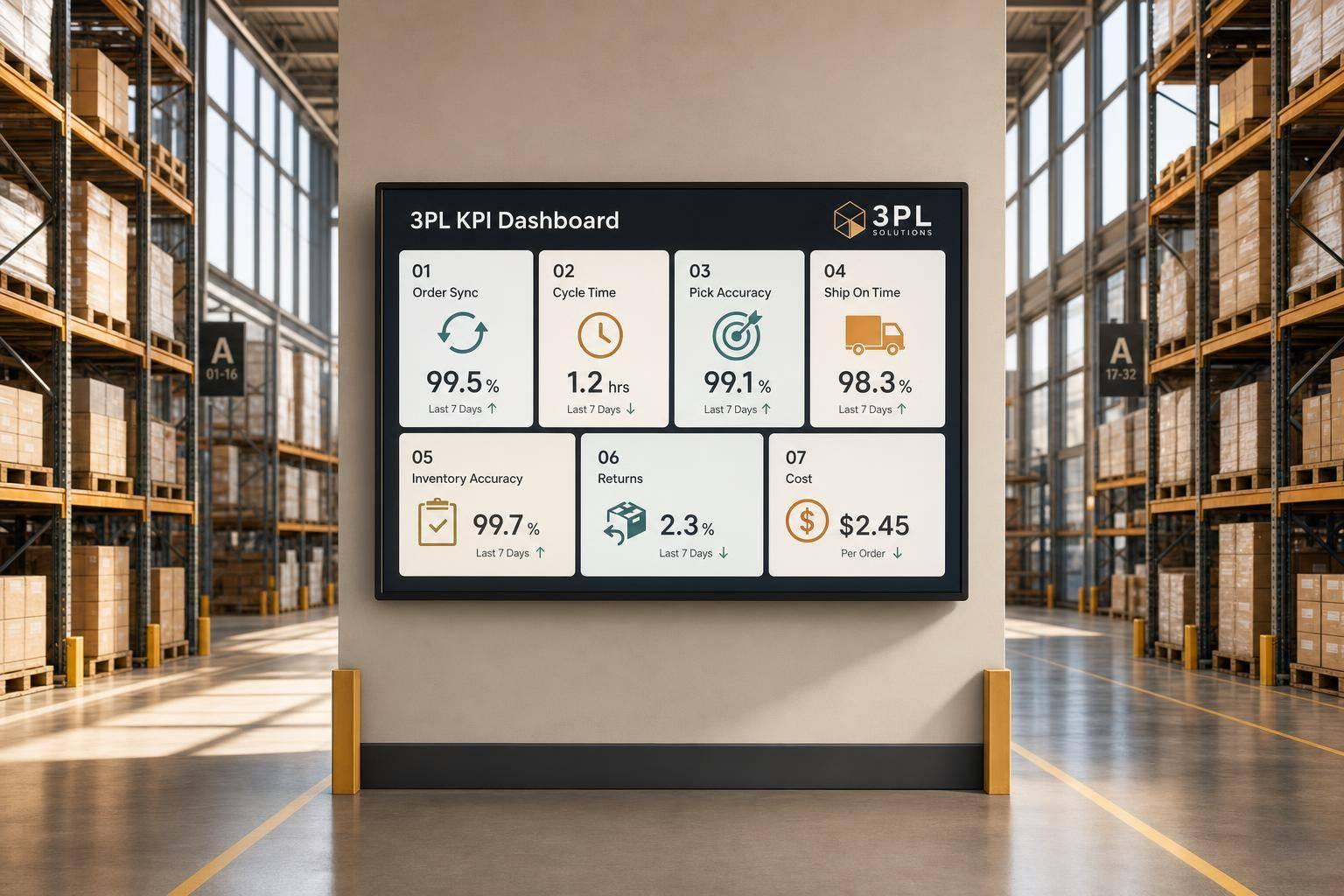
7 WooCommerce 3PL KPIs Teams Track

Centralized vs Decentralized Replenishment
