
Safety Stock Calculator
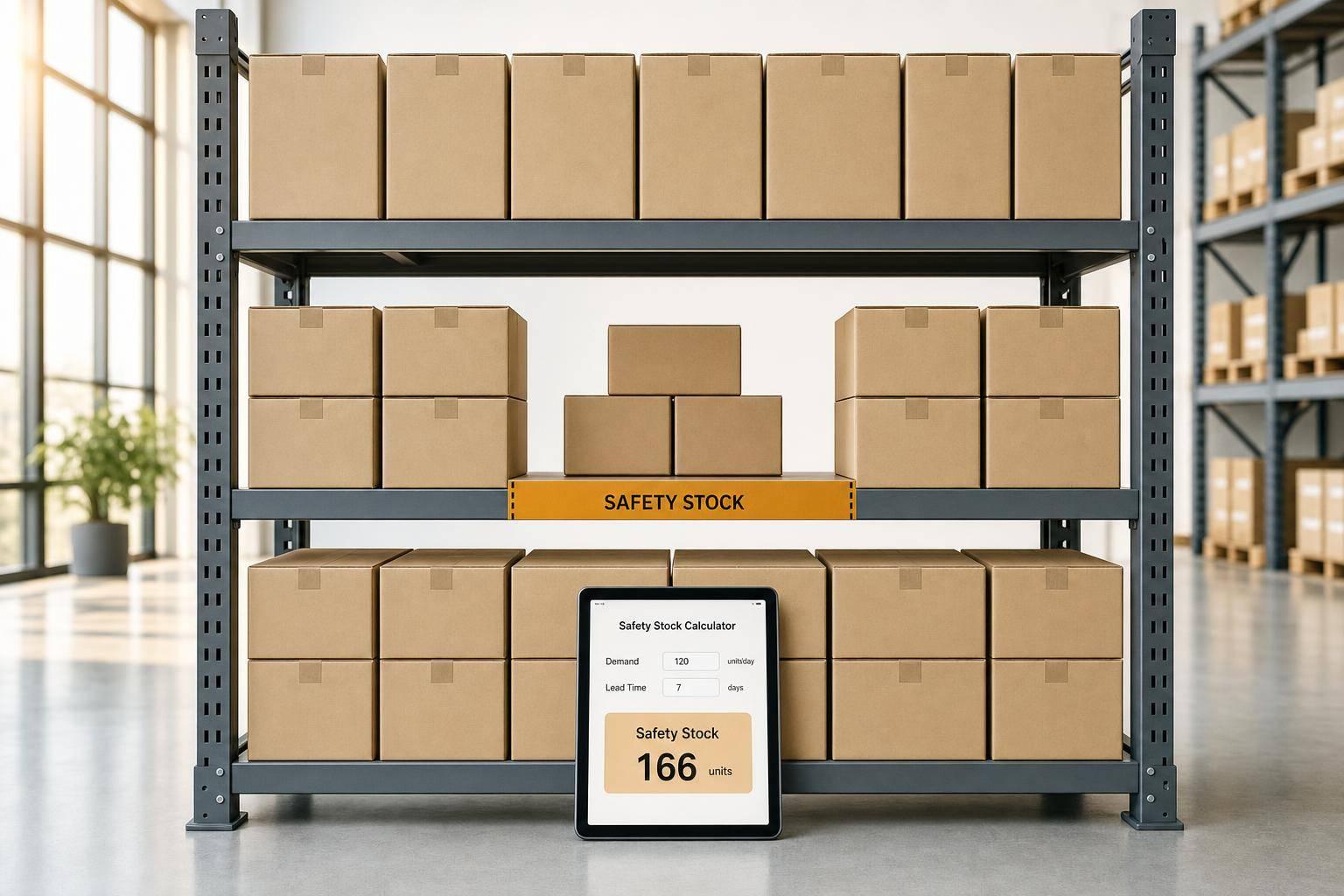
Safety Stock Calculator for Smarter Inventory Decisions
A Safety Stock Calculator helps you estimate the extra inventory needed to reduce the chance of stockouts when demand changes or suppliers take longer than expected. This tool uses a straightforward method based on maximum daily usage, maximum lead time, average daily usage, and average lead time. That makes it useful for small businesses, warehouse teams, and operations managers who want a quick answer without digging through a complicated spreadsheet.
What the Calculator Shows
The tool gives you a safety stock quantity in units, plus a simple breakdown of the numbers behind it. You can see the maximum demand during lead time and compare it with the average demand during lead time before the final buffer stock amount is calculated.
Why It’s Useful
A practical inventory buffer can make routine planning more reliable, especially when sales patterns are uneven or supplier timing is inconsistent. This safety stock calculator is designed to be fast, clear, and easy to use with decimal inputs and instant updates. If the numbers entered would create a negative result, the tool returns 0 units and flags that the averages are higher than the maximum-based estimate. That keeps the output realistic and easier to interpret for day-to-day inventory planning.
FAQs
What is safety stock, and why does it matter?
Safety stock is extra inventory kept on hand to reduce the risk of running out of stock when demand rises unexpectedly or replenishment takes longer than planned. It acts as a buffer between normal operations and real-world variability. Even a simple estimate can help purchasing and operations teams make more confident stocking decisions.
Why would the calculator show 0 safety stock?
If your average demand during lead time is greater than the maximum-based estimate entered, the formula would produce a negative number. In practice, negative safety stock does not make sense, so the tool displays 0 instead and notes that the averages exceed the maximum-based estimate. That usually means your inputs should be reviewed for consistency.
Can I use decimal values in this calculator?
Yes. The calculator accepts decimals for demand and lead time inputs where needed, which is helpful if you work with partial units, averaged usage figures, or non-whole-day lead times. Results are shown clearly in units, not currency, so the output stays focused on inventory quantity.
Related Articles
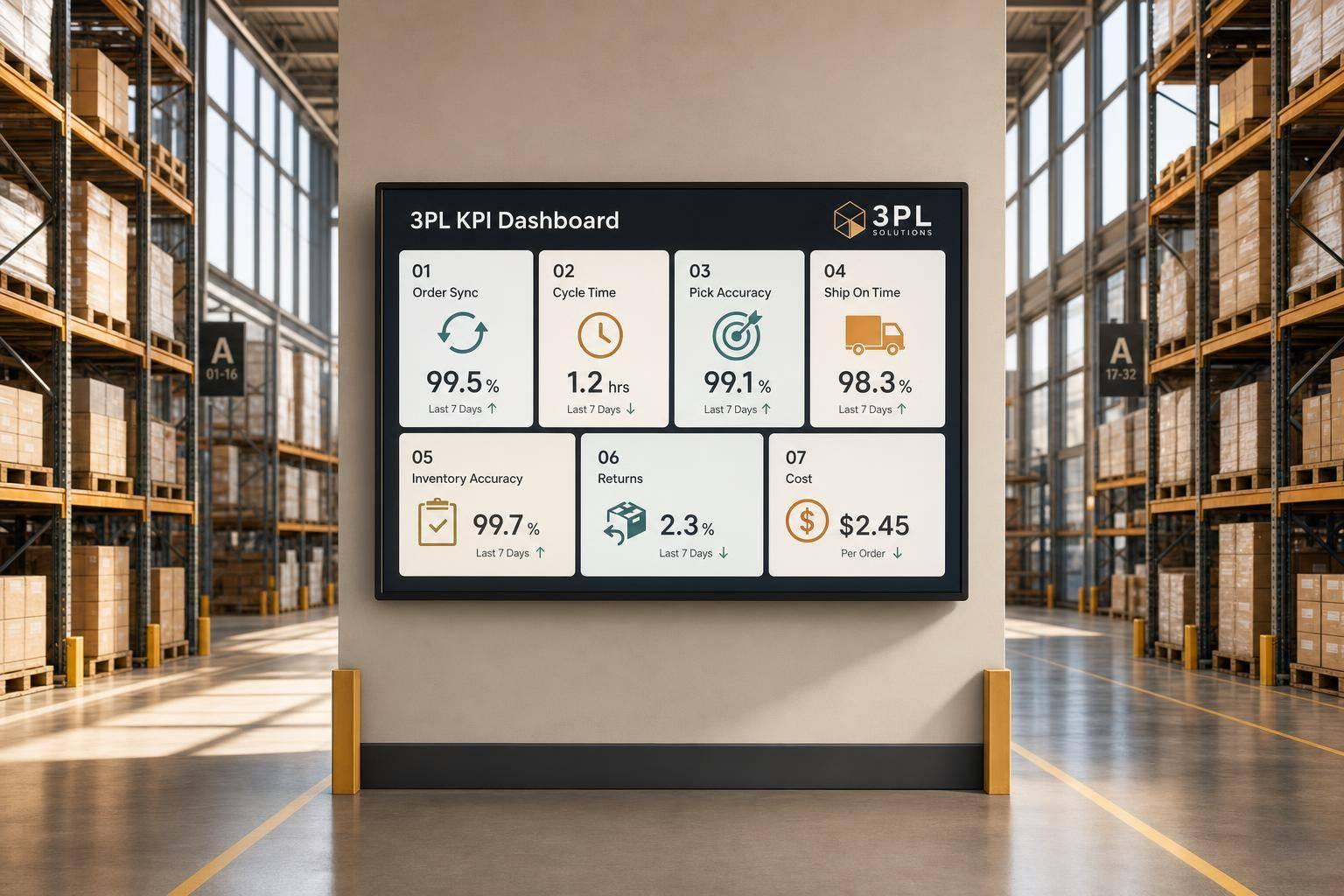
7 WooCommerce 3PL KPIs Teams Track

Centralized vs Decentralized Replenishment
