
Warehouse Space Planner for Efficient Storage
Plan Storage with More Confidence
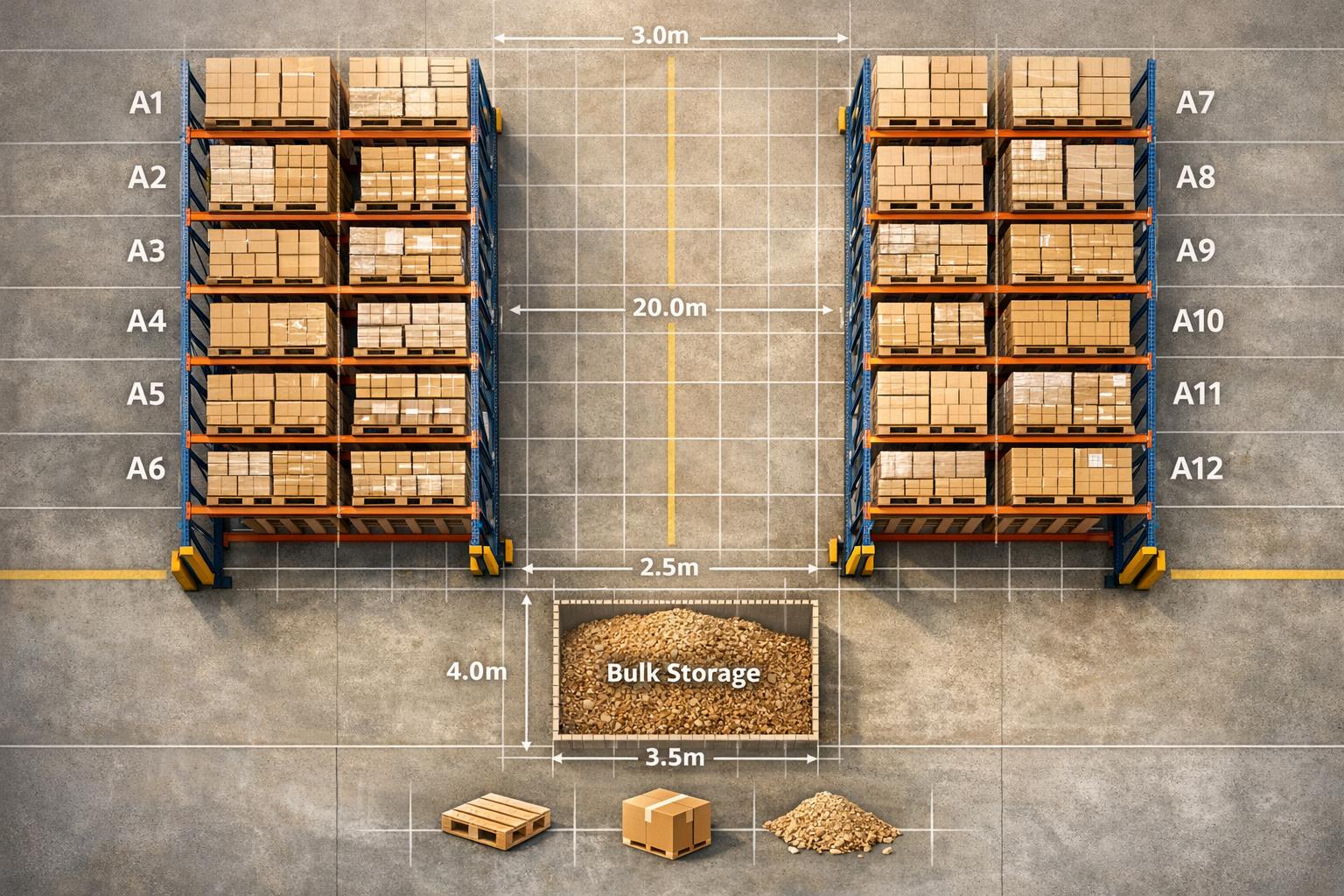
A busy facility runs better when every square foot has a purpose. This Warehouse Space Planner helps businesses estimate usable storage area, assign space to different inventory types, and see whether a warehouse can realistically handle current stock levels. Instead of relying on rough guesses, teams can compare pallets, boxes, and bulk items in one place and build a clearer picture of capacity.
Make Better Use of Available Space
The tool factors in reserved areas and safety zones before calculating what remains for storage. That small step matters, because aisles, access routes, and protected work zones often take a bigger share of the floor than expected. With a practical warehouse space planner, decision-makers can avoid overfilling the building and reduce layout issues before they become operational problems.
Useful for Daily Planning and Growth
Whether you're reviewing a seasonal inventory increase or testing a new storage arrangement, a storage layout calculator can support faster decisions. It shows space allocation by item type, total occupied area, and any remaining capacity in a simple format that's easy to act on. For warehouse managers, operations teams, and growing businesses, that means better planning, fewer surprises, and a smarter approach to storage management.
FAQs
How does the tool calculate whether my warehouse has enough space?
The calculator starts with your total warehouse area, then removes any safety zones or reserved space you set aside. After that, it totals the space required for each inventory type based on the number of units and the predefined area needed per unit. If the required storage area is less than or equal to the usable space, your warehouse can accommodate the inventory. If it goes over, the tool shows the shortfall so you know exactly how much extra space is needed.
Can I use this for different types of goods in the same warehouse?
Yes. That's one of the main benefits of the tool. You can mix storage types such as pallets, boxes, and bulk items in a single calculation, which makes it useful for real warehouse planning instead of simple one-item estimates. The output breaks down how much space each category uses, so it's easier to spot which goods consume the most capacity and where layout adjustments may help.
What kind of input errors does the tool handle?
The tool is designed to catch common mistakes that can throw off planning. If someone enters a negative warehouse size, unrealistic item counts, or invalid safety percentages, it returns a helpful message instead of a confusing result. That makes it easier to correct the numbers quickly and trust the final space allocation summary.
Related Articles
7 WooCommerce 3PL KPIs Teams Track

Centralized vs Decentralized Replenishment
